For home gardeners, small-scale vegetable growers and users with light-duty disinfection requirements, a lightweight, reliable shoulder-mounted electric sprayer removes the tedious, repeated manual pressurization required by conventional hand-operated sprayers. The SX MDLi 5B and SX MDLi 8B shoulder
Powered spray bottles use electric micro-pumps to automate liquid application. They ensure consistent pressure for gardening, detailing, and sanitizing while eliminating wrist fatigue.
Choose between liquid and granular lawn fertilizers for a lush yard. Liquid provides rapid green-up via sprayers, while granular offers slow-release, long-term root health.
Battery-powered sprayers safely reach 30-foot canopies from the ground. Consistent pressure eliminates manual pump fatigue, making pest control and fertilizing much easier.
Drip irrigation is a precise, low-pressure watering system delivering moisture directly to plant roots. It saves water, lowers utility bills, and promotes healthier landscapes.
Selecting the right drip or sprinkler system minimizes water waste. Drip lines maximize efficiency for row crops, while sprayers suit dense grains and frost protection.
Choose the ideal orchard sprayer for tall trees. This guide helps you match equipment types to your canopy and tractor, reducing chemical drift while optimizing farm productivity.
Step-by-step guide to winterising an agricultural electric sprayer — tank flush, freeze protection, battery storage and a six-point spring restart.
Understanding common faults of a wheelbarrow electric sprayer helps you diagnose issues quickly without waiting for professional repair support. Many pressure, leakage and clogging problems originate from blocked filters, worn seals or battery problems. Good daily care is always better than emergency repairs. Flushing your sprayer after each job and checking key consumable parts will greatly extend the service life of your electric sprayer. When faults cannot be solved with basic troubleshooting, stop operating and use qualified genuine replacement spare parts.
This article introduces wheelbarrow electric sprayers, covering their benefits, application scenarios and buying tips for orchards, greenhouses and livestock sanitisation. A practical FAQ answers common questions about battery runtime, chemical compatibility and routine upkeep. It advises growers to choose equipment based on actual field conditions instead of only chasing larger tank capacity.
Stop spray drift and chemical waste. Master knapsack sprayer pressure, nozzle selection, and droplet size for maximum coverage and precision.
Fix pressure drops and pump cycling in your knapsack electric pressure sprayer. Master internal mechanics to troubleshoot and avoid costly repairs.
Prevent crop damage and chemical waste. Learn how to accurately measure knapsack sprayer nozzle flow rates for precise calibration.
Avoid costly knapsack sprayer breakdowns. Compare diaphragm vs piston pumps, troubleshoot pressure switches, and safely apply harsh chemicals.
Struggling with spray drift? Learn how a knapsack electric pressure sprayer and proper nozzles maximize coverage and eliminate wasted chemicals.
A sprayer can have a full battery and a working pump, yet still deliver poor results. Weak flow, uneven mist, and blocked nozzles often come from contamination inside the spray liquid, not electrical problems. An agriculture sprayer relies on several filtration stages to keep liquid moving smoothly. The filtration path usually includes the tank strainer, pump filter, hose system, nozzle screen, and nozzle opening. Each component handles different particles and protects a different part of the spraying process. In this guide, you will learn how tank strainers, pump filters, and nozzle screens work together. You will also understand how to choose, inspect, and maintain filtration components for reliable electric sprayer performance.
A sprayer can keep running while its actual output changes. Pressure may drop, flow may shift, and droplet quality may become inconsistent. In an agriculture sprayer, battery load refers to the electrical demand created by the pump during operation. The system works through a simple chain: battery power drives the diaphragm pump, which creates pressure and feeds the nozzle. Output depends on flow rate, spray pressure, droplet size, spray pattern, reach, and runtime. Battery condition and nozzle choice must be considered together because changes in nozzle restriction or pressure demand affect pump workload. Understanding these factors helps operators achieve more stable coverage and predictable spraying performance.
One careless product change can affect the next spraying job. The risk may remain even when the tank looks clean. Many farms use one agriculture sprayer for herbicides, pesticides, fertilizers, and foliar treatments. Separate equipment is not always practical. However, chemical residue can stay inside pumps, hoses, filters, valves, and nozzles after the tank is emptied. These hidden residues may injure sensitive crops, affect later treatments, or create deposits that restrict liquid flow. Dedicated sprayers can reduce carryover risks for high-risk products. Shared equipment needs a clear cleaning and product-change procedure. This guide explains how to prevent cross-contamination before, during, and after switching between herbicides, pesticides, and fertilizers.
Pressure is not only about spray strength. Even small pressure changes can alter how droplets form and reach crop surfaces. In an agriculture sprayer, pump output, system pressure, nozzle flow, and liquid breakup work as one connected process. When pressure stays stable, the nozzle can produce a more repeatable droplet spectrum and more consistent crop coverage. When pressure fluctuates, flow rate and droplet size may change during the same spraying pass. Battery-powered sprayers reduce pressure variation from manual pumping, but other causes still remain. Pump cycling, battery condition, blocked filters, nozzle selection, and pressure adjustment can all affect stability. This guide explains how pressure stability affects droplet uniformity and shows where pressure problems usually begin. You will also learn how to recognize unstable spraying and maintain more repeatable nozzle performance.
Two farmers can use the same agriculture sprayer and crop treatment but achieve different results. The difference often comes from spray volume, not the equipment itself. Low-volume and high-volume application refer to the amount of carrier liquid applied to the crop, not tank size. Lower volume can improve efficiency but requires accurate droplet control and coverage. Higher volume can improve wetting and penetration but may increase runoff and waste. In this guide, you will learn how to choose spray volume, configure an agriculture electric sprayer, and calibrate it for more consistent application results.
| Availability: | |
|---|---|
| Quantity: | |
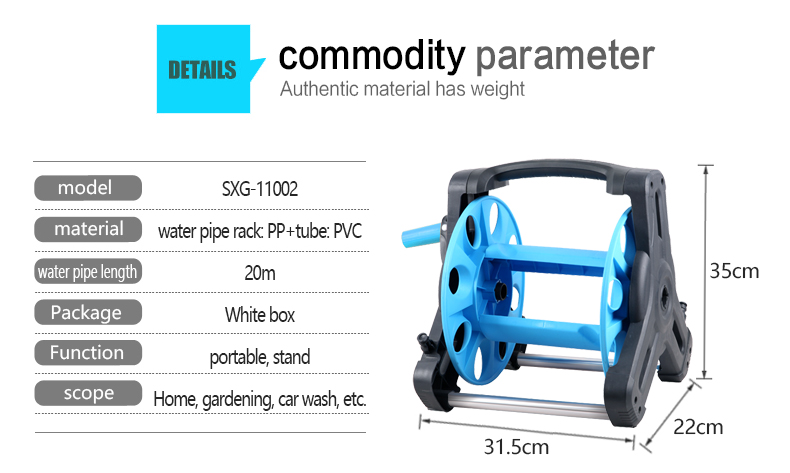
SXG-11002


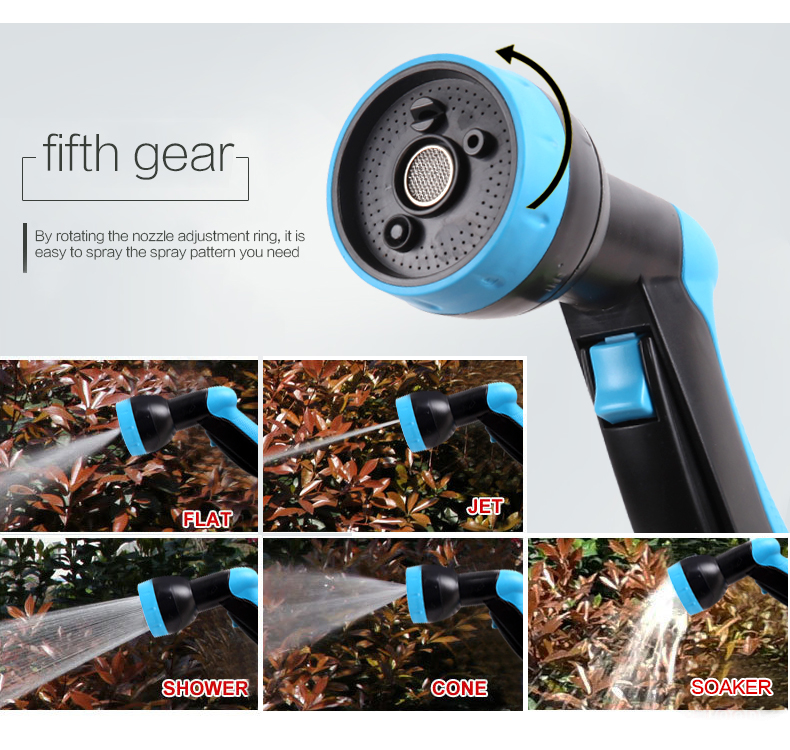
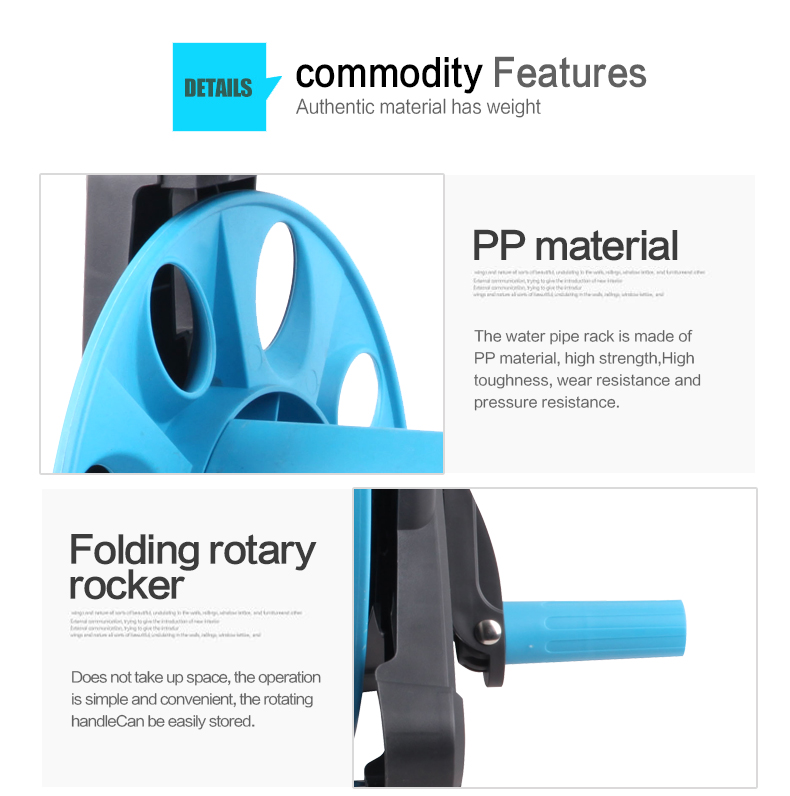
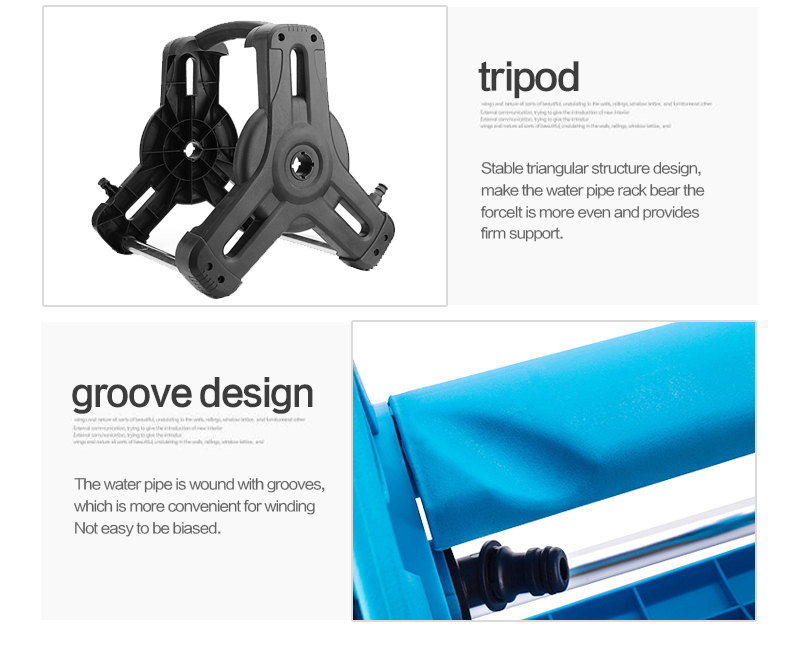
If you are a gardening enthusiast, you probably know how important it is to have a good hose reel and cart. A hose reel and cart can help you store, transport and use your garden hose easily and conveniently. But not all hose reels and carts are created equal. Some are flimsy, bulky or hard to maneuver. That’s why you need a garden sturdy swivel hose reel & cart, the ultimate solution for your gardening needs.
1. Storing: The garden sturdy swivel hose reel & cart can store up to 200 feet of 5/8 inch garden hose neatly and securely. It has a durable metal frame that prevents sagging and twisting of the hose. It also has a swivel mechanism that allows you to rotate the reel 360 degrees for easy access to any part of the hose.
2. Transporting: The garden sturdy swivel hose reel & cart has four large pneumatic tires that can handle any terrain. It has a comfortable handle that makes it easy to push or pull the cart. It also has a brake system that prevents the cart from rolling away when parked.
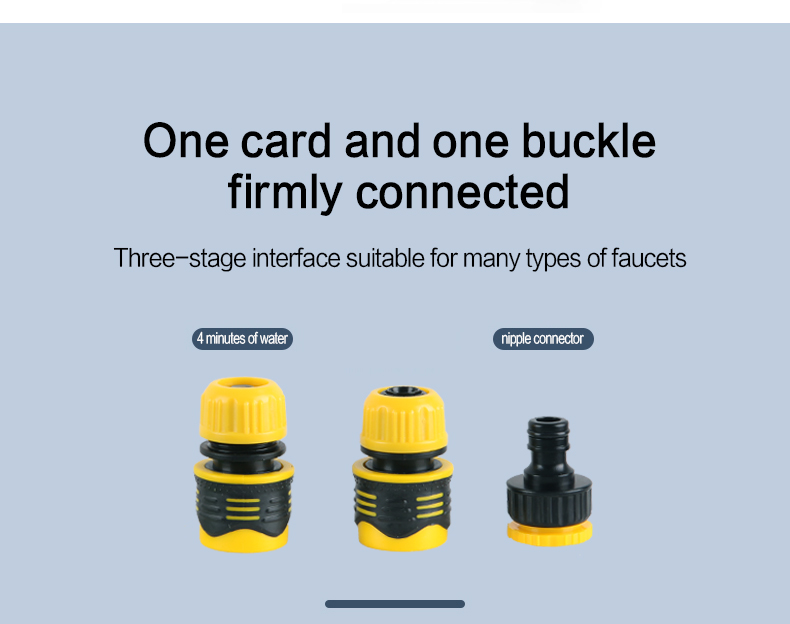
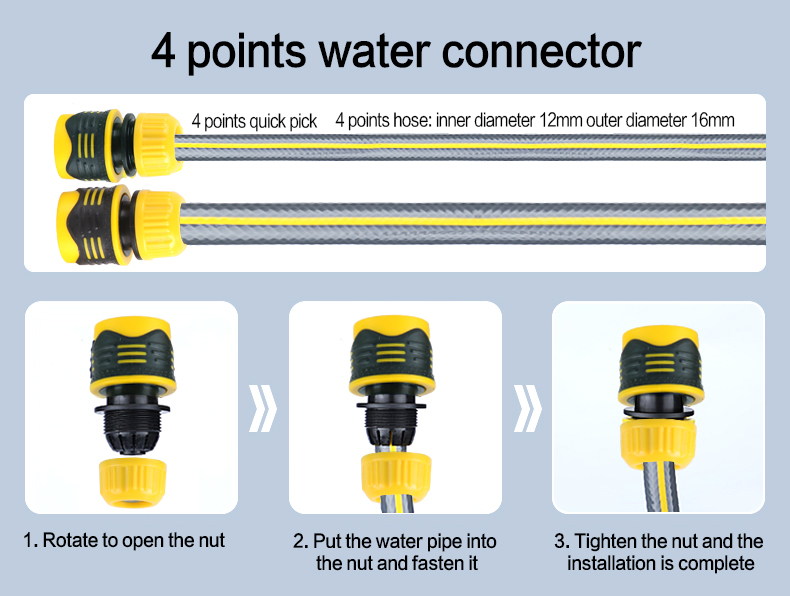
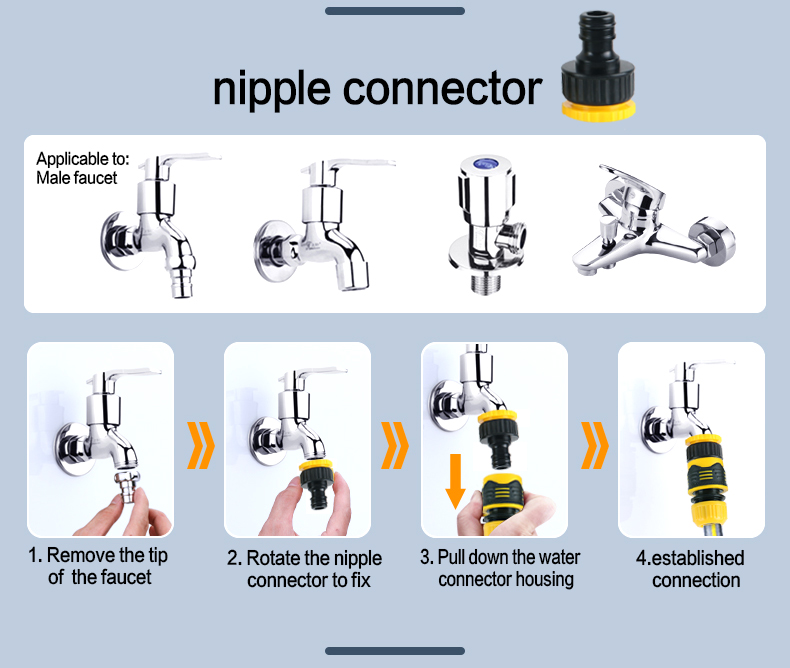
3. Using: The garden sturdy swivel hose reel & cart has a brass connector that attaches to any standard faucet. It has a smooth crank that lets you rewind the hose effortlessly. It also has a nozzle holder that keeps your nozzle handy and organized.
1. Quality: The garden hose reel & cart is made of high-quality materials that are rust-resistant, weather-resistant and UV-resistant. It is designed to last for years without losing its functionality or appearance.
2. Versatility: The sturdy swivel hose reel & cart can be used for various purposes, such as watering plants, washing cars, cleaning patios or spraying pets. It can also be used in different settings, such as gardens, lawns, driveways or sidewalks.
3. Convenience: The garden sturdy hose reel & cart is easy to assemble, use and store. It comes with all the necessary hardware and instructions. It does not require any electricity or batteries. It can be stored in a garage, shed or basement when not in use.
The garden sturdy hose reel & cart does not require much maintenance, but there are some tips that can help you keep it in good condition.
1. Clean: After each use, wipe off any dirt or debris from the cart and the hose with a damp cloth. Do not use harsh chemicals or abrasives that may damage the surface or the parts.
2. Lubricate: Once in a while, apply some lubricant to the swivel mechanism, the crank and the wheels to ensure smooth operation and prevent squeaking or sticking.
3. Protect: During winter or rainy seasons, cover the cart and the hose with a tarp or a plastic sheet to protect them from moisture and frost. Store them in a dry and cool place away from direct sunlight.
The garden swivel hose reel & cart is a great product for anyone who loves gardening. It has many functions, characteristics and maintenance tips that make it superior to other hose reels and carts. It is a smart investment that will save you time, money and effort in the long run. If you want to enjoy your gardening hobby without any hassle, get yourself a garden sturdy swivel hose reel & cart today!