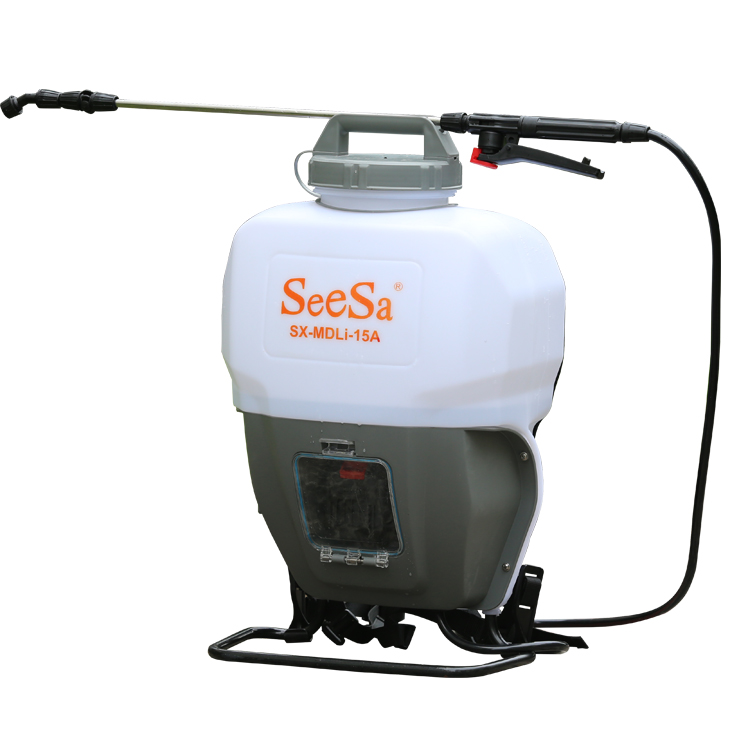
Inaccurate chemical application directly impacts operational success and environmental safety. A mere 10% deviation in flow rate causes significant chemical waste, severe phytotoxicity, or completely ineffective surface treatment. Many operators assume manufacturer-stated nozzle flow rates remain static over time. This assumption fails in the field. Nozzle wear, fluid viscosity, and pump degradation alter actual output. These variables negatively impact the distribution quality of phytosanitary sprays. Routine measurement becomes a mandatory diagnostic process for compliance, safety, and operational efficiency. It validates the performance of your equipment before you enter the field. Relying on outdated specifications leads to poor crop yields and wasted resources. We will explore the transition from manual catch-tests to digital calibration tools and tracking apps. You will learn how to isolate variables, measure output accurately, and ensure precise application every time you pull the trigger.
Key Takeaways
Consistent Pressure is the Baseline: A knapsack electric pressure sprayer provides stable PSI compared to manual models, making flow measurement highly accurate—provided the battery is fully charged.
The Pressure-to-Flow Physics: Flow rate and pressure do not scale equally. It requires a fourfold increase in pressure to double the flow rate, meaning operators should change nozzles rather than spike pressure to achieve higher output.
The 10% Variance Rule: If the measured flow rate exceeds the manufacturer’s rated capacity by 10% or more, the nozzle is worn and requires immediate replacement to prevent over-application and uneven spray distribution.
Measurement Methodology Dictates Accuracy: Operators must choose between manual volumetric catch-tests (low cost, moderate accuracy) and digital calibrators (higher upfront cost, high precision) based on application scale.
Water as the Testing Standard: Always calibrate and measure flow using clean water before introducing active phytosanitary chemicals to ensure safety and baseline accuracy.
Exact dosage per square meter defines a successful application. You must deliver the right amount of active ingredient to the target surface without runoff or drift. Static flow rate, measured in liters per minute (L/min) or gallons per minute (GPM), acts as the foundational metric for this process. You cannot determine dynamic field application rates without knowing your exact static output. If your baseline measurement is wrong, every subsequent calculation will be flawed. Accurate static flow measurement ensures your equipment operates within the specific parameters required by chemical labels. Applying systemic herbicides requires exact dosing to ensure root translocation without burning the top foliage prematurely. Contact fungicides demand high-volume coverage without excessive pooling on the leaf surface. Both scenarios rely entirely on a known, verified flow rate from the nozzle orifice.
Connecting Flow Rate to Field Application
Static flow rate alone does not dictate field success. You must combine the measured nozzle flow with your actual walking speed over a test area. You must also factor in the nozzle's specific swath width. This combination reveals the true application volume, typically expressed as Liters per Hectare or Gallons per Acre. Walking too fast with a high-flow nozzle results in under-application. Walking too slow with a low-flow nozzle results in over-application. Synchronizing your measured static flow with your physical movement guarantees that the chemical hits the ground at the exact required dosage. Field operators often use a metronome or pacing apps to maintain a consistent walking speed of one meter per second. This physical consistency pairs with the mechanical consistency of the sprayer to produce uniform coverage across the entire treatment block.
The Cost of Improper Calibration
Skipping flow rate measurement carries heavy consequences. Over-application burns crops, causing irreversible phytotoxicity. It also leads to chemical runoff, damaging local ecosystems and wasting valuable resources. Under-application leaves pests, weeds, or diseases untreated. You then face the burden of re-application, doubling your labor and material costs. Operating blindly without accurate flow data turns a precision agricultural task into a guessing game. Proper calibration eliminates these risks, ensuring you apply exactly what is needed, where it is needed. Weed resistance often stems from repeated under-application of herbicides. When weeds receive a sub-lethal dose, they survive and pass on resistant traits. Accurate flow measurement prevents this by ensuring the full lethal dose reaches the target every single time.
Electric vs. Manual Pressure Dynamics
Testing conditions dictate measurement accuracy. A knapsack electric pressure sprayer offers superior testing environments compared to traditional manual pump models. Electric diaphragm pumps deliver constant, unwavering pressure. Manual pumping inherently causes fluctuating pressure spikes and drops with every stroke. Stable pressure isolates the nozzle as the single primary variable during flow measurement. When the pressure remains constant, any change in flow rate directly indicates nozzle wear or blockage. This stability makes electric models far easier to calibrate and maintain. Manual piston pumps require the operator to maintain a perfect, rhythmic pumping cadence to achieve anything close to stable pressure. Electric models eliminate this human variable entirely, providing a flat pressure curve that yields highly repeatable flow test results.
Spray Pattern Degradation
Flow rate increases rarely happen in isolation. When a nozzle wears out, the orifice expands, allowing more liquid to pass through. This physical wear simultaneously degrades the spray pattern. A worn flat fan nozzle will develop heavy edges, dumping excess chemical on the outside of the swath. A worn hollow cone nozzle may develop a collapsed center. These deformities compromise treatment efficacy. Measuring flow rate acts as an early warning system. Catching a 10% flow increase allows you to replace the nozzle before the degraded pattern destroys your application uniformity. Droplet size distribution also shifts as the orifice wears. A nozzle designed to produce medium droplets may start producing coarse droplets, reducing the total number of droplets per square inch and leaving gaps in your foliar coverage.
Solution Categories: Essential Tools for Measuring Nozzle Flow
Manual Catch-Test Equipment
Traditional flow measurement relies on physical catch-tests. You need a graduated measuring cylinder with clear markings in milliliters or fluid ounces. Polypropylene cylinders resist chemical staining and survive drops in the field better than glass. You also need a highly accurate stopwatch and a basic calculator. This method presents a very low barrier to entry. Anyone can perform a catch-test with minimal investment. However, it carries a higher margin for human error. Misreading the meniscus on the cylinder, starting the stopwatch late, or spilling water during the test skews the data. Diligence and repetition are required to achieve reliable results with manual equipment. Operators must place the cylinder on a perfectly level surface and read the volume at eye level to ensure the measurement is exact.
Digital Flow Calibrators
Purpose-built digital tools revolutionize flow measurement. Devices like SpotOn Sprayer Calibrators provide instant, highly accurate flow rate readings. You simply place the digital tool directly over the active nozzle while the sprayer is running. The device channels the water through internal sensors and displays the exact GPM or L/min on a digital screen. This eliminates calculation errors entirely. It also removes the need for stopwatches and graduated cylinders. Digital calibrators save significant time, especially when testing multiple nozzles on a boom attachment. These devices often use ultrasonic sensors or highly sensitive mechanical flow meters to measure the liquid volume passing through the chamber in real-time, providing a reading in under five seconds.
Calibration Apps and Digital Tracking
Mobile applications serve as virtual sprayers for modern operators. Once you measure your static flow rate, you input that data into a calibration app. You also input your walking speed and swath width. The software automatically calculates your field application rates, removing the need for complex manual math. These apps also log historical data. You can track nozzle degradation over time by comparing today's flow rate with the baseline measurement taken months ago. Digital tracking ensures you replace parts exactly when needed, rather than guessing based on visual inspection. Many apps allow you to assign specific flow data to individual field blocks, creating a permanent record of exactly how much active ingredient was applied to a specific area.
Inline Pressure Gauges
Flow rate links directly and inextricably to working pressure. You cannot accurately measure flow without knowing the exact PSI at the nozzle. Installing an inline pressure gauge at the wand handle is mandatory. Measuring flow without verifying PSI yields incomplete data. If your flow rate is low, you must look at the gauge. If the gauge reads lower than your target PSI, the issue lies with the pump or regulator. If the gauge reads the correct PSI but the flow is low, the nozzle is clogged. The gauge provides the context needed to interpret flow data accurately. Liquid-filled gauges, typically containing glycerin, are highly recommended. The liquid dampens the vibration from the pump, preventing the needle from bouncing and allowing you to read the exact pressure with confidence.
Step-by-Step: Measuring Flow on a Knapsack Electric Pressure Sprayer
Pre-Test Equipment Inspection: Accurate testing requires strict prerequisites. First, ensure the battery is at 100% capacity. A depleted battery causes a voltage drop, which reduces pump RPM and lowers pressure. This artificially reduces your measured flow rate. Second, clean all inline strainers. Check the filter in the tank basket, the filter in the pump inlet, and the fine mesh screen inside the wand handle. Debris restricts flow before the liquid ever reaches the nozzle. Finally, fill the tank with clean water. Never calibrate using active chemicals. Inspect all O-rings and threaded connections on the wand to ensure no air is being drawn into the system, which would cause sputtering and inaccurate volume measurements.
Setting the Baseline Working Pressure and Pattern: Activate the pump and allow the system to pressurize. Adjust the pressure regulator to your specific target operating pressure. Watch the inline gauge at the wand handle to confirm the PSI. If you are using an adjustable cone nozzle, set your desired spray pattern now. Adjusting the cone physically changes the internal geometry of the nozzle, which drastically alters the flow rate. You must test the nozzle in the exact pattern you intend to use in the field. Bleed all air from the wand by spraying for a few seconds to ensure a solid liquid stream. Verify that the pump cycles smoothly without surging.
Executing the Timed Catch Test: Hold the wand steady over your graduated cylinder. Start the stopwatch the exact moment you pull the trigger. Spray continuously into the cylinder for exactly 60 seconds. Release the trigger precisely at the one-minute mark. If a 60-second test overflows your cylinder, spray for exactly 30 seconds and multiply the captured volume by two. Place the cylinder on a flat, level surface. Read the volume at eye level, measuring from the bottom of the meniscus. If you utilize a multi-nozzle boom attachment, you must measure each nozzle individually to ensure uniform output across the entire boom. Perform this test indoors or in a wind-sheltered area to prevent fine droplets from blowing away before they enter the cylinder.
Calculating and Documenting the Actual Flow Rate: Convert your captured volume into standard flow rate metrics. If you measured in milliliters over 60 seconds, divide by 1000 to get Liters per minute (L/min). If you measured in fluid ounces over 60 seconds, divide by 128 to get Gallons per minute (GPM). Document this exact figure immediately. Log the data against the specific nozzle type, the nozzle color code, and the pressure setting used during the test. Use a dedicated notebook or a mobile calibration app. This documented baseline is critical for future comparison. Repeat the test three times and average the results to eliminate any minor timing errors.
Evaluating Dimensions: Nozzle Wear, Types, and Replacement Thresholds
Comparing Actual vs. Manufacturer Rated Flow
Once you calculate your actual flow rate, you must cross-reference it with the manufacturer's data. Locate the flow chart provided by the nozzle manufacturer. Find your specific nozzle model and color. Look at the rated flow for the exact pressure (PSI or Bar) you used during your test. Your measured flow should closely match this published number. If your measured flow is significantly lower, you likely have a partial clog or a pressure drop in the wand. If your measured flow is higher, the nozzle orifice has worn open. Always ensure you are reading the correct column on the manufacturer chart, as flow rates change dramatically depending on the specific gravity of the testing fluid. Since you are testing with water, use the standard water column.
Applying the 10% Replacement Rule
The agricultural industry relies on a strict threshold for nozzle replacement. If your measured flow rate exceeds the manufacturer’s rated capacity by 10% or more, you must discard the nozzle. For example, if a nozzle is rated to output 0.40 GPM at 40 PSI, a 10% increase brings it to 0.44 GPM. If your catch-test yields 0.44 GPM or higher, the nozzle is compromised. Operating beyond this 10% variance guarantees over-application, wasted chemical, and a degraded spray pattern. Replace the nozzle immediately to restore precision. Pushing a nozzle past this limit creates a false economy. The money saved by not buying a new nozzle is rapidly eclipsed by the cost of wasted chemicals and potential crop damage.
Nozzle Types and Flow Characteristics
Different nozzle designs behave differently during testing. Flat fan nozzles provide a consistent, measurable stream when directed into a cylinder. Hollow cone nozzles spray outward, making it difficult to capture all the liquid without a specialized calibration funnel. Air induction nozzles draw air into the fluid stream to create larger, drift-resistant droplets. These nozzles may sputter slightly during a catch-test. You must reference the specific chart for the exact nozzle family being tested, as a red flat fan and a red hollow cone will have entirely different flow characteristics at the same pressure. Deflector nozzles, often used for wide-swath herbicide application, require a very wide-mouth catch basin to accurately capture the horizontal spray pattern during a timed test.
Nozzle Type
Primary Application
Catch-Test Difficulty
Flow Characteristic
Standard Flat Fan
Broadcast Herbicides
Low
Steady, predictable stream
Hollow Cone
Fungicides / Insecticides
High (Requires Funnel)
Wide radial output
Air Induction
Drift Reduction
Moderate
Slight sputtering due to air mix
Deflector / Anvil
Wide Swath Broadcast
High (Requires Wide Basin)
Horizontal sheet output
Impact of Nozzle Material on Lifespan
Nozzle material dictates how frequently you will hit that 10% wear threshold. Understanding degradation rates helps you forecast maintenance schedules. Brass nozzles wear out rapidly, especially when spraying abrasive wettable powders. Stainless steel offers excellent durability and resists physical wear. Polyacetal and polymer nozzles provide a great balance of chemical resistance and lifespan. Ceramic nozzles offer the highest resistance to abrasion, lasting significantly longer than all other materials. Selecting the right material based on your primary chemical formulations drastically reduces the frequency of required flow rate testing and nozzle replacement.
Nozzle Material
Abrasion Resistance
Chemical Resistance
Estimated Lifespan (Hours)
Brass
Low
Moderate
50 - 100
Polymer / Polyacetal
Moderate
High
200 - 300
Stainless Steel
High
High
300 - 500
Ceramic
Very High
Very High
1000+
Overall Value Influencing Factors: Upgrading Equipment Based on Flow Data
When to Upgrade the Sprayer
Flow data tells you more than just the condition of your nozzles. It serves as a diagnostic tool for the entire pumping system. If you experience chronic flow inconsistencies despite installing brand new nozzles, your equipment is failing. A fluctuating flow rate on an electric unit indicates failing internal pump diaphragms or a degraded pressure regulator. If the pump cannot maintain the target PSI under load, no nozzle will perform correctly. When repairs become frequent and flow remains erratic, it is time to invest in a new commercial-grade knapsack sprayer to restore operational reliability. Continuing to operate a sprayer with a failing pump guarantees uneven application. The motor fatigue in older electric units prevents the pump from reaching the necessary RPM, making accurate calibration impossible regardless of the nozzle condition.
Cost-Benefit of Digital Calibrators
Purchasing a digital calibrator requires an upfront investment, but the return is rapid. Analyze the labor hours spent performing manual catch-tests. If you manage an operation with multiple sprayers and dozens of nozzles, manual testing consumes hours of valuable field time. A digital calibrator reduces a 60-second manual test to a 5-second instant reading. This efficiency allows operators to check their equipment daily rather than monthly. The time saved, combined with the chemical savings from hyper-accurate calibration, easily justifies the cost of digital tools. Commercial operators running large crews find that digital calibrators eliminate the human error associated with manual math, ensuring every crew member applies chemicals at the exact same verified rate.
Implementation Risks and Mitigation (Troubleshooting Discrepancies)
Battery Voltage Drop
Electric sprayers rely entirely on consistent voltage. A depleted battery reduces the RPM of the pump motor. Lower RPM means lower pressure output. If you test a nozzle with a half-empty battery, the pressure will drop, and the measured flow rate will be artificially low. You might mistakenly assume the nozzle is clogged when the real issue is power supply. Always perform flow rate tests on a 100% full charge. Keep the battery topped off to ensure the pump delivers maximum, stable pressure during calibration. Use a multimeter to verify the battery is outputting its fully rated voltage before beginning any diagnostic flow tests.
Clogged Strainers and Filters
Debris is the enemy of accurate flow measurement. A partially clogged inline strainer restricts fluid flow before it reaches the wand. The pump may be pushing 60 PSI, but the restriction drops the pressure at the nozzle down to 30 PSI. This results in a severely reduced flow rate during your catch-test. Implement a strict triple-rinse protocol after every use. Inspect and clean the tank basket, pump inlet filter, and wand handle mesh screen immediately prior to any flow measurement. Ensure you are using the correct mesh size for your application. A 100-mesh screen will clog rapidly if you are spraying thick suspension concentrates, artificially lowering your flow rate.
Fluid Viscosity Variables
Testing with clean water provides a reliable, universal baseline. However, actual field chemicals possess different viscosities. Highly viscous liquid fertilizers or heavy suspension concentrates flow slightly slower than pure water. If you calibrate with water and then spray a thick fertilizer, your actual field output will be slightly lower than your measured baseline. Apply a conversion factor if the chemical label specifically dictates one. Otherwise, stick to water for testing. Never run active, toxic chemicals into a measuring cylinder during a manual catch-test. The specific gravity of the liquid directly alters the flow dynamics through the nozzle orifice, so always consult the chemical manufacturer's guidelines for heavy fluids.
Conclusion
Perform a baseline water catch-test on your current equipment before your next field application to establish a known starting point.
Install a liquid-filled inline pressure gauge at the wand handle to verify working PSI during all future tests.
Log your measured flow rates in a dedicated notebook or calibration app to track nozzle wear over the season.
Procure and install replacement nozzles immediately if your test reveals a variance of 10% or more above the manufacturer rating.
Upgrade to a digital flow calibrator if you manage multiple sprayers to eliminate human error and reduce calibration time.
FAQ
Q: How often should I measure the nozzle flow on my knapsack sprayer?
A: You should measure nozzle flow at the beginning of every spraying season and after every 40 hours of active use. Frequent testing is required if you spray abrasive wettable powders, as these degrade nozzles much faster than liquid concentrates.
Q: Does battery life affect the flow rate on a knapsack electric pressure sprayer?
A: Yes. A depleted battery causes a voltage drop, which reduces the pump motor's RPM. This lowers the operating pressure, resulting in a decreased flow rate at the nozzle. Always calibrate with a fully charged battery.
Q: What is the standard flow rate for a backpack sprayer nozzle?
A: There is no single standard flow rate. Output depends entirely on the specific nozzle size, type, and the operating pressure. Common flat fan nozzles often range from 0.2 to 0.5 GPM at 40 PSI, but you must check the manufacturer's chart for your specific nozzle.
Q: How do I know if my sprayer nozzle is worn out and needs replacement?
A: Perform a timed catch-test. If the measured flow rate exceeds the manufacturer’s rated capacity by 10% or more at a specific pressure, the nozzle is worn out. Visual distortion in the spray pattern also indicates severe wear.
Q: Can I use water to test chemical flow rates on my sprayer?
A: Yes. Water is the universal testing standard. It is safe to handle and provides a reliable baseline. Never use active chemicals for catch-tests due to exposure risks. Apply a viscosity conversion factor later if the chemical label requires it.
Q: How does working pressure influence nozzle flow rate?
A: Flow rate increases as pressure increases, but not equally. You must increase the pressure fourfold to double the flow rate. Adjusting pressure is meant to fine-tune droplet size and pattern, not to make drastic changes to flow rate.
Shixia Holding Co., Ltd. was establishes in 1978, that has more than 1,300 employees and more than 500 sets of various injection molding machines, blow molding machines and other advanced equipment.