A sprayer can appear ready for work and still perform poorly once the job begins. Weak pressure, uneven output, leaks, or difficult movement usually do not come from nowhere. In most cases, a Wheelbarrow Sprayer develops a few predictable problems that begin small and become more serious if users ignore them. That is why understanding the most common issues is useful not only for maintenance, but also for better daily performance. Shixia Holding Co.,Ltd. knows that for this kind of sprayer, reliability depends on both sound product design and routine care in real working conditions.
Why Wheelbarrow Sprayers Develop Performance Problems
More components mean more places for small failures to appear
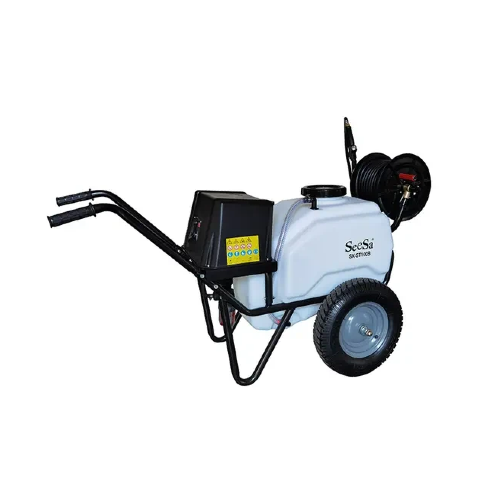
A wheelbarrow sprayer is built to be more mobile and more capable than a simple handheld unit, but that also means more parts affect performance. The tank, pump, hose, filter, nozzle, wheel set, frame, and valve connections all work together. When one part becomes worn, blocked, or loose, the spraying result often changes.
This is why wheelbarrow sprayer common problem reports are often very similar. The machine may not stop completely at first. Instead, it starts showing smaller warning signs, such as unstable pressure, patchy spraying, or rough movement across the ground.
Early symptoms usually show before complete failure
Most problems do not start dramatically. The spray pattern may become slightly uneven, the pump may feel slower to respond, or a fitting may begin to show slight dampness. These early signs are easy to miss, but they matter.
When users notice these changes early, they can often solve the issue before it becomes a larger repair problem. That is why routine inspection is such an important part of using this type of sprayer well.
Uneven Spray Pattern
What causes patchy coverage or inconsistent output
Uneven spraying is one of the most common issues. In many cases, it comes from a partially clogged nozzle, a dirty filter, or unstable pressure in the liquid path. A worn nozzle can also change the spray pattern without the user realizing it immediately.
When output changes from one section to another, the machine becomes harder to trust. Some areas receive too much liquid, while others receive too little. That makes the work look inconsistent and lowers application quality.
Why uneven spraying creates bigger problems in the field
Uneven output does more than affect appearance. It can waste product, reduce treatment results, and force the user to spray the same area again. That means more time, more effort, and less confidence in the machine.
This is why wheelbarrow sprayer troubleshooting often starts with the spray pattern. If the output does not look right, it usually means something in the nozzle, filter, or pressure system needs attention.
Low Pressure or Fluctuating Pressure
Why pressure drops during operation
Low pressure is another common complaint. It may be caused by blocked strainers, worn seals, loose hose fittings, suction leaks, or pump wear. In a battery powered wheelbarrow sprayer, battery condition or poor electrical connection can also reduce performance.
Pressure problems are frustrating because they make the machine feel unreliable. The operator may begin the job normally, then notice weaker output as spraying continues. That change can interrupt workflow and reduce coverage consistency.
What users should check first
When a wheelbarrow sprayer pressure problem appears, users should begin with simple checks. Start with the liquid level, then inspect the filter, strainer, hose fittings, and visible seals. After that, examine the nozzle and pump response.
If the unit uses battery power, the battery and connection should also be checked. In many cases, the cause is smaller than users first assume, and a basic inspection can identify it quickly.
Pump Fails to Prime or Start Properly
What priming problems usually mean
If the pump fails to prime, the system may have air inside it, a blockage in the liquid path, or an issue with sealing or setup. The machine may appear ready, but liquid is not being pulled through the system as it should be.
This is a common source of frustration because the sprayer seems operational while the actual spraying never begins properly. Users may hear the pump working, yet little or no useful output reaches the nozzle.
How this affects spraying efficiency
A priming problem delays the whole job. Instead of moving into actual spraying, the user has to stop and investigate what went wrong. That wastes time and disrupts workflow before the work is even underway.
Reliable starting behavior matters because a sprayer should help the user work efficiently, not create uncertainty at the beginning of every task.
Leaks, Drips, and Chemical Waste
Common leak points on a wheelbarrow sprayer
Leaks usually appear at hose joints, fittings, valve areas, seals, or tank connections. Sometimes they are obvious, but in other cases they begin as a small damp area that grows worse under pressure.
Because wheelbarrow sprayers move over uneven surfaces, vibration and repeated use can gradually loosen connections. That makes leak inspection an important part of routine care.
Why leaks are not just a mess
Leaks are not only inconvenient. They mean product loss, less predictable spraying, and a greater chance of uneven application. If liquid escapes before it reaches the nozzle, the user cannot fully trust how much is being applied.
There is also the issue of handling safety and cleanup. That is why leaks should be treated as a performance problem, not just a cosmetic one.
Mobility and Stability Problems
When the wheelbarrow design stops feeling easy to move
Mobility is one of the main reasons users choose this type of sprayer, so movement problems matter. If the wheels wear unevenly, the frame loses balance, or the tank load shifts badly, the machine becomes harder to push and control.
This is especially noticeable on rough or uneven ground. A machine that does not move smoothly increases operator effort and makes daily work less efficient.
Why chassis design matters in daily use
Good chassis design supports more than transport. It affects balance, handling comfort, and stability during real spraying work. A better-built machine feels easier to manage because the user is not constantly correcting direction or fighting the load.
This is one reason product quality matters in wheelbarrow spraying. A sprayer should not only spray well. It should also move well under normal field conditions.
How to Prevent Most Common Problems
Cleaning, storage, and regular inspection habits
Many common problems can be reduced through simple care. Clean the tank, filter, hose, and nozzle after use. Store the machine in a dry place. Inspect fittings, seals, and wheels before the next spraying task.
These habits do not take much time, but they can prevent many of the issues that later become frustrating and expensive to fix.
Why a better-built sprayer reduces service issues
Maintenance is important, but good product design also reduces trouble. A better-made sprayer usually keeps pressure more steadily, supports stronger connections, and handles repeated movement more reliably.
Shixia Holding Co.,Ltd. understands that users want more than basic spraying function. They want equipment that performs steadily, moves reliably, and reduces unnecessary downtime in daily work.
Common Wheelbarrow Sprayer Problems at a Glance
Problem | Likely Cause | Quick Check | Prevention Tip |
Uneven spray pattern | Clogged nozzle, dirty filter, unstable pressure | Inspect nozzle and filter | Clean after each use |
Low pressure | Loose fittings, worn seals, blocked strainer, weak battery | Check hose and flow path | Inspect before spraying |
Pump fails to prime | Air in system, blockage, setup issue | Check seals and liquid path | Store and clean properly |
Leaks and drips | Worn joints, loose fittings, damaged seals | Inspect wet areas | Tighten or replace parts early |
Poor mobility | Wheel wear, frame imbalance, load shift | Check wheels and chassis feel | Keep the machine stable |
Conclusion
Most Wheelbarrow Sprayer problems fall into a few repeated categories: uneven output, unstable pressure, priming trouble, leakage, and mobility issues. These are usually easier to handle when users spot the signs early and maintain the machine regularly. Shixia Holding Co.,Ltd. believes dependable spraying begins with both proper upkeep and solid product design, and a well-made mobile sprayer should help users work with less interruption and more confidence. If you would like to learn more about suitable products for your application, contact us.
FAQ
1. What is the most common wheelbarrow sprayer problem?
The most common problem is usually uneven spray output caused by clogged nozzles, dirty filters, or unstable pressure.
2. Why does my wheelbarrow sprayer lose pressure?
A wheelbarrow sprayer pressure problem may come from loose hose fittings, worn seals, blocked strainers, pump wear, or battery issues in powered models.
3. Why will my wheelbarrow sprayer not prime?
If the pump does not prime, the system may have air inside it, blockage in the liquid path, or a sealing issue that prevents proper suction.
4. How can I prevent common wheelbarrow sprayer problems?
Regular cleaning, dry storage, and checking nozzles, filters, fittings, wheels, and seals before use can prevent many common service issues.