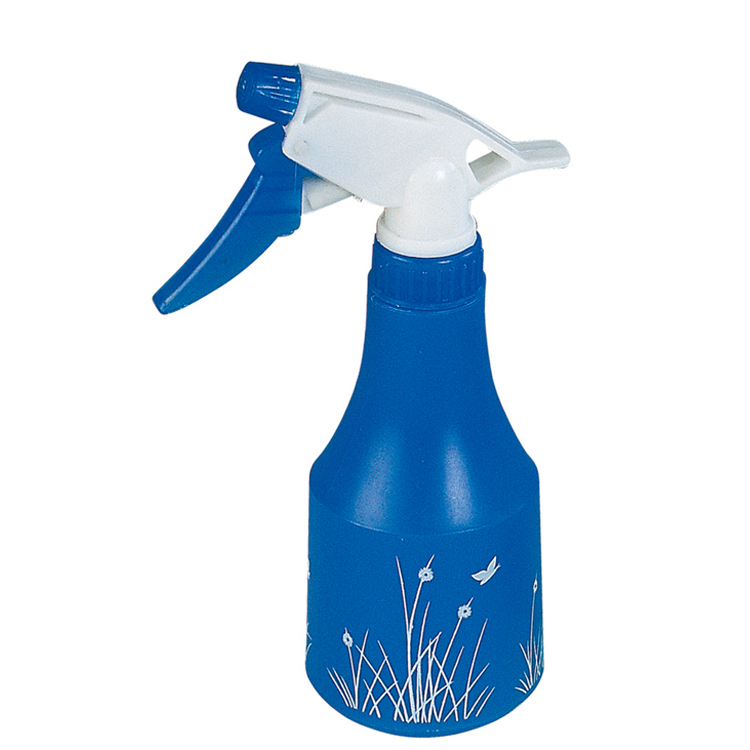
Hard water and specialized liquid formulas often leave behind stubborn residue. Over time, these mineral deposits build up inside the nozzle mechanism. They inevitably degrade the performance of your hardware. You might notice sputtering, uneven application, or a completely blocked spray pattern. For commercial operations or premium consumer brands, this mechanical failure creates serious problems. A blocked nozzle wastes liquid. It ruins the user experience. It can even damage your brand reputation significantly.
This article provides an evidence-based framework to fix the issue. We will help you diagnose blockages accurately. You will learn how to safely dissolve calcium and magnesium deposits. We ensure you protect the internal plastics during routine maintenance. Finally, you will discover exactly when cleaning stops making financial sense compared to replacing the unit entirely. By following these guidelines, you can restore optimal function to your packaging.
Key Takeaways
Diagnosis precedes action: Not all uneven sprays are mineral clogs; rule out mechanical failure (spring corrosion, dip tube unseating) before chemical soaking.
Mild acids are required: Calcium carbonate dissolves safely in acetic acid (white vinegar) or commercial descalers; harsh solvents or physical probing will permanently alter the spray pattern.
The 15-minute rule: If a trigger fine mist sprayer cannot be cleared with a standard 15-minute soak and flush cycle, the labor cost of further maintenance generally exceeds the cost of unit replacement.
Component degradation is irreversible: Internal rust or deformed pump chamber gaskets require immediate replacement, not cleaning.
Diagnosing the Clog: Mineral Buildup vs. Mechanical Failure
You must accurately identify the root cause of an uneven spray. This diagnosis prevents you from wasting valuable labor hours on unfixable hardware. A blocked nozzle often mimics a broken pump. We need to distinguish between reversible chemical buildup and irreversible mechanical damage. Our primary success criterion relies on identifying the exact failure point.
Visual & Functional Indicators of Mineral Deposits
Mineral scaling happens slowly. Hard water contains high levels of dissolved calcium and magnesium. These elements crystallize upon evaporation. You can spot this buildup through specific visual and functional clues.
Chalky white residue: You will see a crusting ring around the external spray orifice. This indicates heavy calcium carbonate accumulation.
Gradual performance decay: The device transitions from a fine mist to a coarse, targeted stream. This shift usually happens over several weeks of continuous use.
Restricted liquid output: The trigger actuates smoothly in your hand. However, it requires high pressure to squeeze, and it yields very little liquid.
Identifying Mechanical Failures
Some failures require you to discard the unit immediately. Do not attempt to clean hardware exhibiting mechanical breakdown. You should replace it instead. A standard trigger sprayer relies on internal pressure dynamics. When physical parts break, cleaning offers no solution.
Loss of Prime or Gasket Failure: The trigger feels "spongy" during operation. It fails to draw liquid up the dip tube. This happens when the internal piston gasket deforms. The airtight seal vanishes.
Spring Corrosion: Look for brown or orange discoloration inside the pump chamber. This rust indicates the internal metal spring has corroded. Corroded springs lose tension and contaminate your liquid formula.
Dip Tube Crimping: Inspect the intake tube. Physical damage, severe bending, or blockages at the bottom of the tube prevent suction. The problem lies at the base, rather than the nozzle head.
The chart below outlines common symptoms and dictates the appropriate action path. It helps you quickly sort viable hardware from salvageable units.
Observed Symptom
Likely Root Cause
Recommended Action
White crust on the nozzle tip
Calcium/Magnesium buildup
Acidic soak and flush
Spongy trigger actuation
Internal gasket failure
Discard and replace unit
Brown liquid in pump chamber
Metal spring corrosion
Discard and replace unit
Gradual loss of mist pattern
Internal pathway scaling
Acidic soak and flush
Standard SOP: Safely Cleaning a Trigger Fine Mist Sprayer
We utilize controlled acidic solutions to break down alkaline mineral deposits. This targeted chemical approach works beautifully. It dissolves calcium carbonate safely. It also prevents damage to the PP/PE plastics. Furthermore, it protects the internal rubber gaskets from chemical burns.
Preparation
You must prepare the hardware before introducing any cleaning agents. First, empty the bottle completely. Remove the dispensing unit from the neck of the bottle. Flush the intake tube using warm distilled water. This crucial step removes residual product formulations. Mixing random chemicals with your cleaning solution can create unwanted reactions. Warm distilled water ensures a neutral starting point.
The Acetic Acid Method (Standard Scale)
We recommend a standardized acetic acid soak for basic hard water scale. Vinegar offers a safe, accessible, and highly effective mild acid.
Mix a 50/50 solution of warm distilled water and standard white vinegar. Ensure the vinegar contains at least 5% acetic acid.
Submerge the entire nozzle head into a basin. Make sure you cover the pump mechanism entirely in the solution.
Actuate the trigger 10 to 15 times while it remains submerged. This action draws the acidic solution directly into the pump chamber. It forces the liquid through the pre-compression valve.
Allow the unit to soak undisturbed. Set a timer for 15 to 30 minutes. The acid needs time to dissolve the solid calcium bonds.
The Flush and Test Protocol
After the soak cycle ends, you must remove all residual acid and loosened minerals. A proper flush guarantees the pump will not contaminate your primary liquid later.
Remove the unit from the acidic soak. Place the dip tube into a fresh container of clean, warm distilled water.
Pump the trigger continuously. Flush out all dissolved calcium scale. Continue pumping until the vinegar smell dissipates completely.
Evaluate the resulting spray pattern. Point the nozzle toward a dry, dark surface. Squeeze the trigger firmly. Confirm you see a uniform mist distribution across the surface area.
Why "Quick Fixes" Damage Trigger Sprayers
People often attempt dangerous shortcuts when faced with a clogged nozzle. We must address common DIY myths. These misguided techniques permanently ruin hardware. Understanding the implementation risks helps you avoid unnecessary expenses.
The Needle and Safety Pin Myth
Many users claim poking the hole clears a clog in seconds. They grab a sewing needle or a safety pin. They force it into the exit orifice.
In reality, this physical intrusion destroys the device. Manufacturers engineer a trigger fine mist sprayer using micro-molded plastics. The exit orifice features exact geometric tolerances. These tiny internal swirl chambers atomize the liquid properly. Introducing a sharp metal pin scratches the soft plastic. It permanently distorts the swirl geometry. The spray pattern degrades instantly. You will experience severe dripping and uneven droplets.
The Bleach and Harsh Solvent Myth
Another popular myth involves strong chemicals. People claim bleach dissolves clogs faster than vinegar. They assume harsh industrial solvents clean more thoroughly.
The reality exposes a fundamental misunderstanding of chemistry. Bleach acts as a base. It does not dissolve alkaline mineral scale like calcium carbonate. It merely sanitizes the surface. Furthermore, aggressive chemical solvents attack internal components. They cause internal elastomer gaskets to swell. Sometimes, they make the rubber brittle. This chemical attack destroys the airtight seal inside the piston chamber. Once the seal fails, the pump loses suction entirely.
Cleaning vs. Replacing: The Decision-Stage Framework
Operators must analyze when maintenance efforts become a sunk cost. You need clear evaluation dimensions to make smart financial decisions. Spending excessive time on cheap plastic components wastes valuable resources.
Labor vs. Replacement Cost Analysis
A high-quality replacement dispenser typically costs fractions of a dollar in commercial volumes. You must weigh this low unit price against hourly labor wages. If manual descaling requires more than 5 minutes of active labor per unit, you lose money. The operational cost of paying an employee to dismantle, soak, and test the unit outweighs the simple replacement cost.
When to Mandate Replacement
Specific environments dictate strict replacement rules. Commercial and high-volume facilities cannot afford unpredictable equipment failures.
Commercial Environments: Implement a strict, time-bound replacement protocol. Test every clogged unit using the initial 15-minute soak. If the nozzle fails to clear after one cycle, throw it away. Do not attempt a second soak.
Cross-Contamination Risks: Evaluate the liquids you normally dispense. Do you use harsh chemicals, commercial sanitizers, or agricultural liquids? If so, replacing the unit eliminates massive liability. Improper flushing of old chemicals can cause dangerous reactions. Fresh hardware guarantees safety.
Shortlisting Logic for Replacements
If mineral clogs happen constantly, standard nozzles will continue failing. Hard water or sticky liquid formulations demand better hardware. You should upgrade your purchasing strategy.
Look for chemical-resistant sprayers. Seek models featuring advanced pre-compression technology. This technology prevents sputtering. Additionally, consider all-plastic internal mechanisms. Eliminating the metal spring removes rust risks entirely. A POM (polyoxymethylene) plastic spring handles corrosive liquids much better than standard steel. Upgrading the hardware type solves the root cause of recurring maintenance.
Preventative Maintenance to Extend Sprayer Lifespan
Standardized daily practices reduce overall failure rates. You can scale these operations easily across your facility. A proactive approach extends the lifespan of your dispensing hardware significantly.
Routine Flushing
You should mandate a weekly flush. Use distilled water for this procedure. This step proves vital for nozzles dispensing high-mineral solutions. Foliar plant sprays, concentrated cleaners, and sticky sanitizers leave heavy residues. Flushing the internal pathways prevents these residues from hardening into permanent blockages.
Proper Storage
Store your sprayers in temperature-controlled environments. Heat accelerates evaporation. When liquid evaporates inside the pump chamber, it leaves dissolved solids behind. These solids crystallize rapidly. Keep bottles away from direct sunlight. Avoid storing them in hot warehouses or near industrial heaters.
Filtration Upgrades
Prevent clogs before the liquid enters the bottle. Ensure you filter bulk liquids properly. Macro-particulates often slip into large mixing vats. When these particles enter the dip tube, they lodge inside the pre-compression valve. Use mesh filters during the bottling process. Clean liquids guarantee a smoother spraying experience.
Conclusion
Final Verdict: Mineral deposits present a chemical problem. They require a chemical solution like mild acids. You must never use physical force or sharp metal objects to clear them.
Next-Step Actions: Audit your current pile of failed sprayers today. Attempt the standard 15-minute vinegar flush on a test batch.
Evaluate Results: If a significant percentage still suffer from internal wear, stop cleaning them. If they require excessive manual labor to clear, you are wasting resources.
Strategic Upgrade: Transition to purchasing higher-durability, chemical-resistant trigger sprayers in bulk. This pivot will stabilize your operational costs immediately.
FAQ
Q: Can I use a needle to clear a clogged fine mist spray nozzle?
A: No. Inserting a metal needle permanently scratches the micro-molded plastic orifice, which will destroy the fine mist atomization and cause the nozzle to spit or leak.
Q: How long should I soak a trigger sprayer in vinegar?
A: A 15 to 30-minute soak in a 50/50 mix of warm water and white vinegar is sufficient for standard hard water scale. Soaking longer than 24 hours may begin to degrade internal rubber seals.
Q: Why is my sprayer only shooting a straight stream instead of a mist?
A: This usually indicates a partial blockage in the spin mechanics of the nozzle tip, or that the adjustable nozzle cap has been twisted out of alignment. If adjusting the cap does not fix it, mineral scale has likely altered the internal flow path.
Q: Is it more cost-effective to clean or replace commercial trigger sprayers?
A: For standard commercial units, replacement is generally more cost-effective if a basic 15-minute acidic soak and flush fails. The labor cost of manual dismantling exceeds the unit cost of a new sprayer.
Shixia Holding Co., Ltd. was establishes in 1978, that has more than 1,300 employees and more than 500 sets of various injection molding machines, blow molding machines and other advanced equipment.