Choosing the best sprayer depends on what you need. Manual hand pump sprayers are good for small gardens. They are also a cheap choice. Many people in North America and Asia-Pacific use them. Battery-powered sprayers are better for big areas or if you spray a lot. More people want these for work and home use. Backpack sprayers are great for homeowners and workers. Think about how big your area is. Think about how often you spray. Think about how much money you want to spend. Think about what feels easy for you. SeeSa has sprayers that people trust all over the world. You can find the right one for your job.
Key Takeaways
Pick a sprayer that fits your yard size, how often you spray, and your budget. This helps you work well and feel comfortable.
Hand pump sprayers are light and cheap. They work best for small gardens or spot jobs. You have to pump them by hand.
Backpack sprayers cover medium areas well. They can be manual or battery-powered. These save you time and effort.
Battery-powered sprayers keep the pressure steady. They cover big areas fast. They help you not get tired on big or many jobs.
Choose sprayers made from strong materials. Make sure they are easy to clean and have comfy straps. This makes spraying easier and helps your sprayer last longer.
Sprayers Overview
Types of Sprayers
There are many sprayers for gardening and farming. Each one works in its own way. Each type is made for a special job. Some sprayers are small and light. You can carry them by hand. Some are big and heavy. You need a vehicle to move them. It is important to know how each sprayer works before you pick one.
Here is a table that lists common sprayers, how they work, and where you use them:
Sprayer Category | Mechanism/Operation | Typical Application/Use Case |
Man-Portable Sprayers | Manual pumping, small tank capacity | Spot treatments, small areas, like killing bagworms on trees |
ATV/UTV or Pickup Tank Sprayers | Medium capacity, hauled on vehicles, powered pumps | Medium scale spraying on non-crop land, perimeter, rangeland maintenance |
Boom Sprayers | Large capacity, powered pumps, long booms | Large farms: herbicides, pesticides, fertilizers over fields, orchards, pastures |
Front Mounted Booms | Boom mounted in front to avoid dust | Clean application on crops, large tank volumes |
Rear Mounted Booms | Boom mounted at rear, lightweight and dependable | General agricultural spraying, widely used globally |
Boomless Sprayers | Rear-facing spout, no boom, often on tanker trucks | Construction, municipal uses like dust control |
Tow-Behind Sprayers | Pulled behind vehicles, various sizes | Hard-to-reach or forested land, medium to large jobs |
Mist Sprayers | Release fine mist or fog | Pest control in difficult terrain, moderate areas |
Sprayers come in many shapes and sizes. Some are best for small gardens. Others help you spray big fields fast.
Key Features
When you choose a sprayer, look at the important features. These features help you work faster and safer.
Tank size is important. Bigger tanks mean you refill less.
Pump type changes how well it sprays and handles chemicals.
Nozzle type changes the way the spray comes out.
Strong materials make sprayers last longer and resist damage.
Good design makes sprayers easier to hold and use.
Safety parts like pressure valves and easy-clean filters keep you safe.
Pick a sprayer that fits your job. Small handheld sprayers are good for tiny gardens. Backpack sprayers are better for medium spaces. ATV and tractor sprayers cover big fields. Always check the features before you buy. Good sprayers save time and help you do a better job.
Backpack Sprayer Guide
How Backpack Sprayers Work
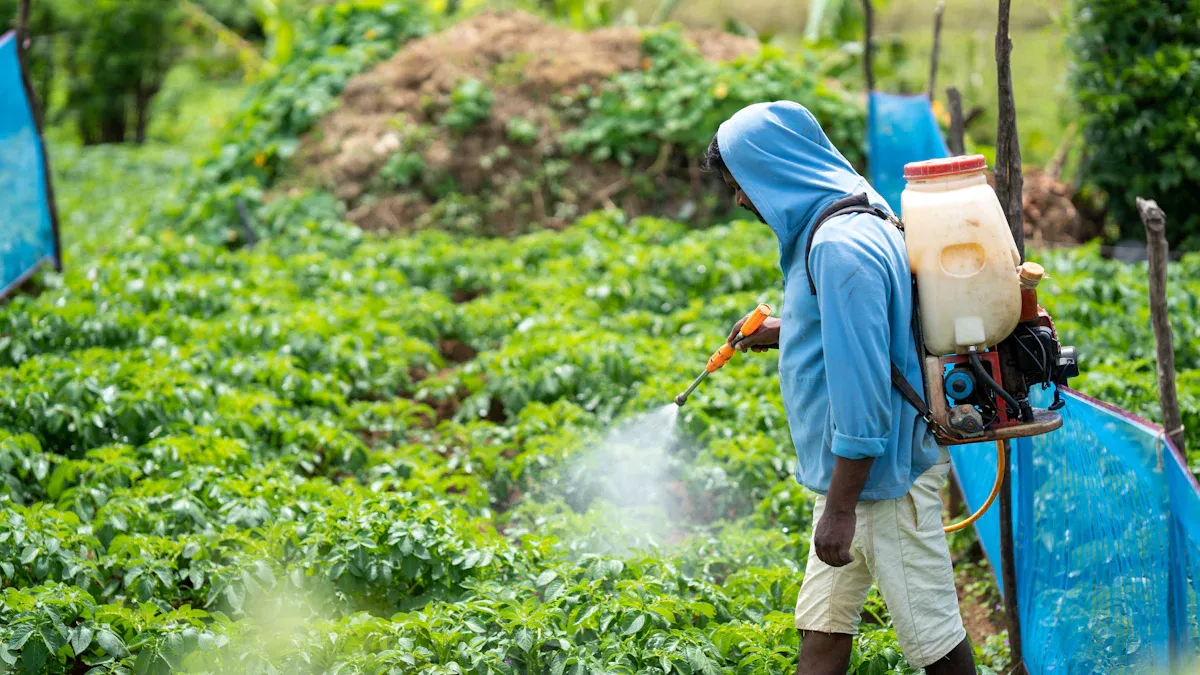
You carry a backpack sprayer on your back, just like a school backpack. Pump backpack sprayers use a hand lever or battery to build pressure inside the tank. You squeeze the trigger on the wand to spray liquid herbicides, pesticides, or water. Manual backpack sprayers need you to pump the handle often. Battery-powered models keep steady pressure with less effort. Most backpack sprayers have a tank that holds between 2 and 7 gallons. The average size is 4 gallons. This lets you cover areas from 5,000 to 10,000 square feet, which is less than one acre. You can see how backpack sprayers compare to handheld sprayers in the table below:
Sprayer Type | Average Tank Capacity | Typical Pressure (psi) | Coverage Area |
Backpack Sprayer | 4 gallons (range 2-7) | 40-70 (manual), ~70 (motorized) | Suitable for 5,000 to 10,000 sq ft (less than 1 acre) |
Handheld Sprayer | ~1 gallon | Lower pressure, short spray duration | Much smaller coverage, suitable for small tasks |
Backpack Sprayer Pros and Cons
Backpack sprayers give you more spraying power than handheld sprayers. You refill less often because the tank is bigger. You can walk and spray at the same time, which saves time. Pump backpack sprayers let you control the spray pattern and pressure. Battery-powered backpack sprayers make spraying easier for long jobs. Most backpack sprayers use strong materials like heavy duty polyethylene for the tank and spray wand. Steel frames and powder coat finishes help the backpack last longer. Viton seals and reinforced PVC hoses protect against chemical damage. High grade brass and poly nozzles improve spray precision. These features make backpack sprayers tough and reliable for many spraying tasks.
Tip: Choose a backpack sprayer with a comfortable harness and adjustable straps. This helps you work longer without getting tired.
Backpack Sprayer Uses
You can use backpack sprayers for many jobs. They work well for weed and pest control in gardens, lawns, and small farms. You can apply liquid herbicides to kill weeds or spray pesticides to protect plants. Pump backpack sprayers help you treat fence lines, flower beds, and vegetable patches. Manual backpack sprayers are great for spot treatments and small areas. Battery-powered backpack sprayers suit bigger yards and frequent spraying tasks. The best uses for backpack sprayers include applying fertilizers, watering, and cleaning outdoor surfaces. You get precise coverage and save time compared to smaller sprayers.
Hand Pump Sprayer Insights
How Hand Pump Sprayers Work
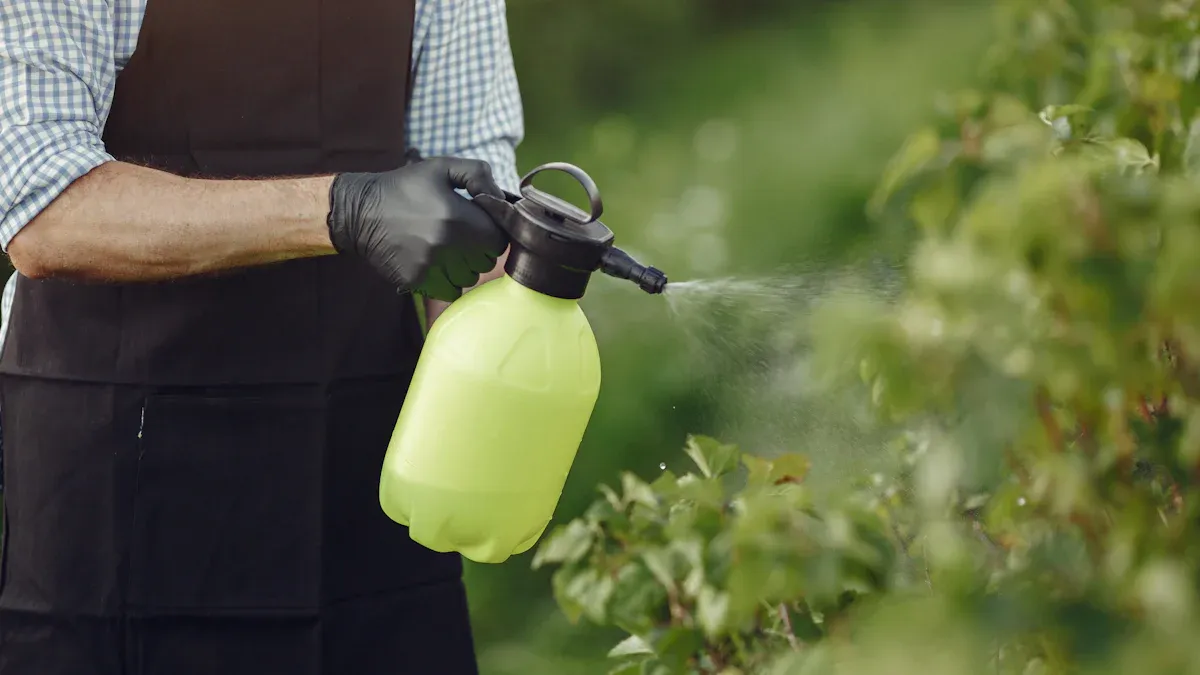
Manual pump sprayers are simple to use. You fill the tank with water or fertilizer. Then you pump the handle to make pressure inside. When you squeeze the trigger, liquid sprays out. Most manual pump backpack sprayers hold 1 or 2 gallons. This small size makes them easy to carry. You do not need batteries or electricity to use them. You just use your own strength to keep spraying.
Tip: Check the nozzle and seals before you spray. Clean parts help your sprayer work better and last longer.
Hand Pump Sprayer Pros and Cons
Manual pump sprayers have many good points for home and garden. You can use them almost anywhere because they do not need power. They are light and easy to move around. These sprayers cost less than powered ones. You can control how the spray comes out. But you must pump a lot to keep the pressure up. This can make your arm tired if you spray a big area. Manual sprayers are best for small spots or little spaces.
Feature | Manual Pump Sprayers | Powered Sprayers |
Power Source | Hand pumping | Battery or electric motor |
Portability | High | Moderate |
Effort Required | More (continuous pumping) | Less (automatic pressure) |
Best Uses | Small/medium areas, spot jobs | Large areas, frequent use |
Hand Pump Sprayer Uses
You can use manual pump backpack sprayers for many jobs at home or work. Here are some good ways to use them:
Spray cleaning products on patios, decks, or outdoor chairs
Treat lawns and gardens with liquid weed killer or fertilizer
Control weeds and bugs along fences, driveways, and flower beds
Spray fungicides on plants to stop disease
Do pest control around your house
Manual sprayers are great for beginners and small or medium yards. You can spray just where you need, so you do not waste anything. For bigger jobs or if you spray a lot, powered sprayers save time and help you not get tired. Always clean your sprayer after you use it to keep it working well.
Battery-Powered Backpack Sprayers
How Battery-Powered Sprayers Work
Battery-powered backpack sprayers use a rechargeable battery to power a small motor. This motor keeps the pressure steady, so you do not need to pump by hand. You fill the tank, turn on the switch, and start spraying. Most powered backpack sprayers use an 8Ah lithium-ion battery. The battery gives you up to 6 hours of continuous spraying. You can spray two full 4-gallon tanks before you need to recharge. The charger works with most outlets and keeps your battery ready for the next job.
Here is a quick look at the main features:
Feature | Details |
Battery Life | Up to 6 hours of continuous spraying |
Battery Type | 8Ah Lithium-ion, 12V |
Charging Time | Charger included (input 100-240VAC) |
Usage | Sprays two full tanks per charge |
Tip: Always charge your battery after each use. This keeps your powered sprayer ready for your next project.
Battery-Powered Sprayer Pros and Cons
You get many benefits from using battery-powered sprayers. You save time and effort because the motor does the work. You get a steady spray pattern, which helps you cover large areas quickly. Powered backpack sprayers are quieter than gas-powered models. You can use them for long periods without stopping to pump.
You need to take care of your battery and sprayer to keep them working well. Here are some important maintenance tips:
Clean the nozzle and tank after each use to prevent clogs.
Do not overcharge the battery to avoid damage.
Use only chemicals that match your sprayer’s instructions.
Avoid running the sprayer with a low battery.
Store your powered sprayer in a cool, dry place.
Check hoses, nozzles, and seals for wear and replace them as needed.
Proper care helps your battery-powered backpack sprayer last longer and work better.
Battery-Powered Sprayer Uses
You can use battery-powered sprayers for many jobs. They work well for spraying herbicides, pesticides, and fertilizers on lawns, gardens, and small farms. Powered backpack sprayers help you treat large yards, fence lines, and orchards. You can use motorized sprayers for cleaning outdoor surfaces or applying disinfectants. Many people choose motorized backpack sprayers for frequent spraying tasks because they save time and reduce fatigue. Powered sprayers also give you even coverage, which helps your plants stay healthy.
Sprayer Comparison Table
Performance
When you look at sprayers, you want to see how they work. The table below shows how backpack, hand pump, and powered sprayers compare. You can check tank size, pressure, weight, and other things.
Metric | Backpack Sprayers (Battery-Powered) | Hand Pump Sprayers | Gas-Powered Sprayers |
Tank Capacity | 3–4.75 gallons | Smaller tanks | About 4 gallons |
Power | 12–21 volts (battery) | Manual pump | Gas engine |
Max Pressure | 65–85 psi | Variable (manual) | High pressure |
Battery Capacity | 2–8 Ah | N/A | N/A |
Weight | 3–14 pounds | Lighter, manual effort | Up to 15+ pounds |
Portability | Good, no fumes | Very portable, manual work | Portable, heavier |
Environmental | Low emissions, rechargeable | No emissions | Higher emissions |
User Effort | Low, motorized pumping | High, manual pumping | Low, engine powered |
Powered sprayers cover big areas well. The motor keeps the spray even. Hand pump sprayers are good for small jobs, but you must pump a lot. Gas-powered sprayers work fast for large spaces.
Ease of Use
You want a sprayer that is easy to use. Battery-powered backpack sprayers make spraying simple. The electric pump keeps the pressure steady. You do not have to stop and pump. This saves you time and energy. Many powered sprayers have soft straps and padded harnesses. You can spray for a long time without feeling sore.
Manual hand pump sprayers are light and easy to move. You control the spray, but you must pump by hand. Some models, like the Field King Max, have smooth pumps and padded straps. Motorized sprayers help you work with less effort, especially on big jobs.
Tip: Pick a sprayer that feels good to hold. This helps you work longer and not get tired.
Cost and Maintenance
Sprayers come in many prices. Basic sprayers cost $50 to $250. These are good for small jobs and need little care. Middle-priced sprayers cost $250 to $800. They last longer and are easy to take care of. Professional sprayers cost $1,000 or more. They are made for daily use and break down less.
Sprayer Type | Average Cost Range | Typical Maintenance Over 5 Years |
Weed Sprayers | $70–$345 (avg. $164) | Fuel, oil, herbicides, simple upkeep |
Powered sprayers need battery charging and sometimes checks. Hand pump sprayers need very little care. Motorized sprayers may need fuel and oil. Clean your sprayer after each use and check the seals and hoses to keep it working well.
Choosing the Right Backpack Sprayer
User Scenarios
When you pick a backpack sprayer, think about your yard size. Also, think about how often you spray and your budget. Your comfort matters too. Different jobs need different sprayers. Here are some examples and what works best:
Tip: Choose a tank size that fits your yard. A 4-gallon tank is good for most lawns. For bigger gardens, use a larger tank or a wheeled sprayer so you do not refill often.
Look for features like adjustable nozzles and tanks that resist chemicals. Easy filling and cleaning help too. These things make spraying easier and help your sprayer last longer.
SeeSa Sprayer Recommendations
SeeSa is a trusted brand with many sprayers for all needs. SeeSa has over 40 years of experience. They use new ideas and make quality sprayers for people everywhere. You can find a sprayer for home or work.
Top SeeSa Models for Different Needs
Scenario | Recommended SeeSa Model | Key Features |
Small Yards, Budget-Friendly | SX-LKG16C Manual Sprayer | Simple, reliable, affordable, lightweight, easy to clean, soft grip, multiple nozzles |
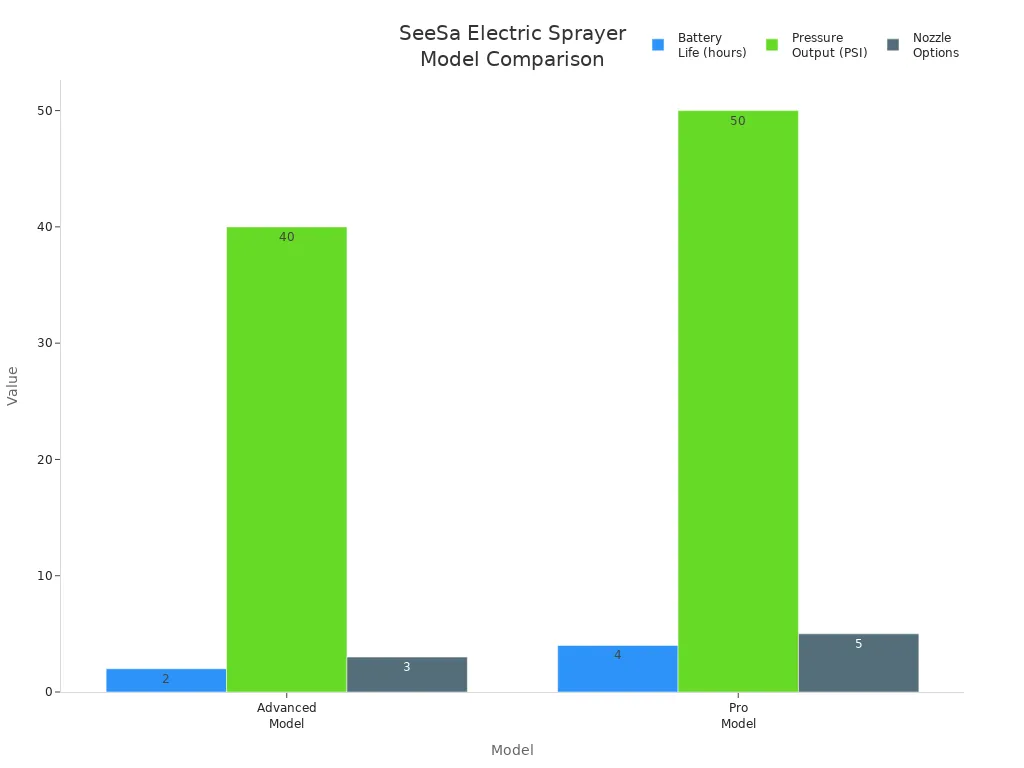
Large Gardens, Frequent Use | SX-MDLi-15A Dynamoelectric | Battery + manual, 16L tank, long battery life, high pressure, ergonomic backpack design |
Heavy-Duty, Professional Use | SX-WM-SD16A Dynamoelectric & Manual | Dual power, 16L tank, multiple spray patterns, chemical-resistant, CE and GS certified |
Maximum Efficiency, Large Farms | SX-ST100A Wheelbarrow Sprayer | Large tank, wheeled design, high capacity, easy maneuvering, suitable for extended spraying |
SeeSa’s electric sprayers, like the SX-MDLi-15A and SX-WM-SD16A, use both battery and manual power. You get steady pressure for big or frequent jobs. These sprayers have comfy straps, tanks that resist chemicals, and many nozzle choices for careful spraying.
Manual sprayers, such as the SX-LKG16C, are a good choice if you want to save money. You do not need batteries or gas. These sprayers are light and easy to carry. They are great for small gardens or spot jobs.
For the biggest jobs, SeeSa’s wheelbarrow sprayer, the SX-ST100A, holds a lot and moves easily. You can spray large areas without carrying heavy tanks on your back.
Note: SeeSa’s sprayers have CE and GS certifications. This means they are safe and strong. You can trust them for home or work.
When you pick a SeeSa sprayer, you get smart designs and tough materials. The sprayers are made for comfort. SeeSa is known around the world. They have many sprayers, so you can find the right one for your job.
You have many sprayer choices for your garden or farm. Battery-powered sprayers give you power and steady pressure, while hand pump sprayers are light and easy to use. Backpack sprayers work well for medium areas.
Sprayer Type | Strengths | Best For |
Battery-Powered | Powerful, steady spray | Large or frequent jobs |
Hand Pump | Lightweight, affordable | Small gardens |
Backpack | Good coverage, portable | Medium spaces |
Pick a sprayer that matches your yard size and comfort.
Look for durable materials and easy cleaning.
SeeSa offers reliable sprayers with strong support and quality parts.
Choosing the right sprayer helps you save time, protect your plants, and work with ease.
FAQ
What size sprayer should you choose for your yard?
You should match the tank size to your yard. For small gardens, use a 1–2 gallon sprayer. For medium lawns, pick a 4-gallon backpack sprayer. For large areas, choose a bigger tank or a wheeled sprayer.
How do you clean your sprayer after use?
Empty the tank. Fill it with clean water. Spray until the tank is empty. Remove and rinse the nozzle and filter. Let all parts dry before storing.
Tip: Clean your sprayer after each use to keep it working well.
Can you use the same sprayer for different chemicals?
You should not mix chemicals in one sprayer. Use separate sprayers for herbicides, pesticides, and fertilizers. If you must use one sprayer, clean it very well between uses.
How long does a battery-powered sprayer last on one charge?
Most battery-powered sprayers run for 4 to 6 hours on a full charge. You can spray two full tanks before recharging.
Note: Always recharge the battery after use for best results.
What safety gear should you wear when spraying?
Wear gloves, long sleeves, pants, and closed shoes. Use safety goggles and a mask if spraying chemicals.