If you’re fed up with patchy coverage or wasting liquid on the wrong spots, a manual sprayer can be the simple, low-cost tool that brings control back to your yard work — this short guide from Shixia Holding Co., Ltd. explains when a manual sprayer makes sense, how the different types compare, and exactly which model fits common garden tasks so you can buy with confidence. With over four decades of manufacturing expertise, Shixia ensures each sprayer is designed for comfort, durability, and consistent performance, making it easier for users to achieve professional-level results even at home.
When should you choose a manual sprayer?
Manual sprayers are best when your job needs precision, low run-costs, or occasional use rather than continuous, large-area application. They are easy to maintain, inexpensive compared with powered units, and give the operator direct control over spray timing and pattern. Below are common scenarios where a manual sprayer is the preferred tool.
Small gardens & spot treatments
If you maintain a small backyard, flower beds, container plants, or spot-treat weeds, a compact unit is ideal. Manual sprayers let you put chemicals or water exactly where they are needed without soaking surrounding plants. Their small tanks and narrow wands reduce overspray and chemical waste, which matters when you’re treating localized problems.
Hobby growers, greenhouse use, balconies
For hobby gardeners, balcony growers, and greenhouse operators, manual sprayers deliver the combination of gentle application and precise control needed around delicate seedlings and potted plants. The low-pressure options prevent leaf damage and allow for fine misting or targeted drenching depending on nozzle choice.
Budget-conscious buyers and light professional tasks
Small landscaping contractors, groundskeepers, and part-time professionals often prefer manual sprayers for light-duty jobs. A quality pump sprayer or a manual backpack lets them cover moderate areas without investing in batteries or fuel. These units are easy to repair, have fewer failure points, and offer attractive value for price-sensitive buyers.
Types of manual sprayers and how they differ
Manual sprayers come in several formats. Choosing the correct format is about matching tank capacity, ergonomics, and wand reach to your tasks.
Handheld / trigger sprayers
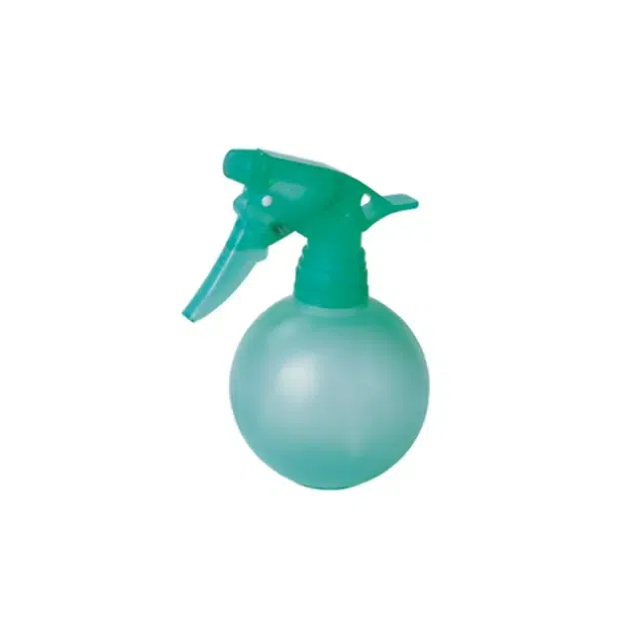
Handheld trigger sprayers are the most portable and cost-effective. They usually hold under one liter and are perfect for indoor plants, small pots, and quick spot treatments. Their simple trigger mechanism is intuitive, and they are lightweight for extended use. The main limitation is tank size, which means frequent refills for larger jobs.
Pump tank sprayers — garden & lawn spot work
Pump tank sprayers have a small pump handle that pressurizes a tank of roughly 1 to 2 gallons. These are workhorses for residential gardens: big enough to treat several beds, yet compact and affordable. They’re widely used for weed control, fertilizer application, and fungicide spraying where you need more capacity than a handheld but still want a lightweight unit.
Manual backpack sprayers
Manual backpack sprayers are for users who need to cover larger spaces without the expense or weight of battery systems. Worn on the back, these units typically have 3 to 5 gallon tanks and a pump rod you operate by hand. They distribute weight more comfortably and let you spray longer between refills. Manual backpacks demand more physical effort than battery-powered counterparts but cost far less to buy and maintain.
Short overview: typical tank sizes, pressure range, spray patterns
Typical tank sizes: 0.5L (handheld) up to 20L (large manual/backpack).
Common pressure range: low to medium, usually 15–60 PSI depending on pump and nozzle.
Spray patterns: fine mist, cone, fan, straight stream — most wands accept interchangeable nozzles for task flexibility.
Key features to compare before you buy
To choose the best manual sprayer, weigh features that influence comfort, durability, and performance.
Capacity vs portability
Tank size dictates how long you can work between refills. A larger tank reduces downtime but increases weight and decreases portability. For small yards, a 1–2 gallon pump sprayer often provides the best balance. If you routinely treat large beds or hedges, consider a manual backpack with a padded harness to distribute weight and reduce fatigue.
Pump type & pressure and why it matters
Two common pump types are piston and diaphragm. Piston pumps generally deliver higher pressure and are better for applications that need a fine mist or longer reach. Diaphragm pumps are simpler and tolerate abrasive chemicals better, which improves longevity when using fertilizers or certain pesticides. For most garden chores, a diaphragm pump is reliable and easy to service; choose a piston pump only when you need higher spray pressure.
Nozzle types and adjustable spray patterns
Nozzles control droplet size and spray shape. Adjustable nozzles add versatility — twist to change from a narrow stream to a broad cone. Interchangeable nozzles expand the sprayer’s usefulness for tasks from leaf wetting to herbicide banding. Look for brass or corrosion-resistant nozzle materials if you’ll use aggressive formulations.
Materials, seals and chemical compatibility
The tank, seals, and valves should be resistant to the chemicals you plan to use. High-density polyethylene (HDPE) tanks are common and chemically resistant. Pay attention to seals: Viton or similar elastomers are better for compatibility with petroleum-based products and strong herbicides, whereas simple rubber seals may degrade faster. A well-engineered valve and quality O-rings reduce leaks and extend service life.
Comfort & ergonomics: straps, handle, wand length
Ergonomics determine how long you can work without strain. For backpacks, look for padded, adjustable straps and a waist belt to shift weight. Wand length matters for reach and protection; a longer wand helps you spray under leaves and into tight spots without bending. Check the pump handle shape and trigger ergonomics for comfort during repeated use.
Practical buying checklist
Follow this short decision flow to narrow your choices quickly.
Is your primary task small, precise spot work? Choose a handheld trigger sprayer.
Do you need to treat multiple beds or small lawns occasionally? Choose a 1–2 gallon pump tank sprayer.
Are you covering larger areas but want to avoid batteries? Choose a manual backpack sprayer with a padded harness.
Questions to ask suppliers
When contacting suppliers, verify these points: warranty length and coverage, availability of spare parts (nozzles, seals, wands), certification or safety standards, recommended chemical compatibility, and service or repair options. Reliable suppliers provide clear spare-parts lists and user manuals.
How price maps to features (value buckets)
Budget: Basic handheld and small pump sprayers. Best for light garden tasks and occasional use.
Prosumer: Larger pump tanks and entry-level backpacks with better seals and more nozzle options. Good for regular gardeners.
Professional: Heavy-duty backpack sprayers with superior seals, comfortable harnesses, and high-quality nozzles. Designed for prolonged daily use.
Quick comparison: manual sprayer vs battery sprayer
Choosing between manual and battery sprayers often comes down to scale and endurance.
When manual is better
Manual sprayers win on initial cost, simplicity, and low maintenance. They are easy to repair and ideal for jobs where portability and cost control matter. If you spray occasionally or need precise spot application, a manual unit is often superior.
When battery is better
Choose battery sprayers for large areas, frequent use, or when operator fatigue is a concern. Battery units provide steady pressure and reduce repetitive pumping, making them more consistent for long jobs. They cost more and require battery care, but they can deliver faster coverage.
One-sentence recommendation for typical buyer profiles
Homeowner with small beds: handheld trigger sprayer.
Gardener with several beds and potted plants: 1–2 gallon pump sprayer.
Small contractor or property manager: manual backpack sprayer or consider battery for high-volume jobs.
How to use a manual sprayer effectively
Buying the right sprayer is only step one. Proper use extends equipment life and improves results.
Always read the chemical label for recommended application rates and nozzle suggestions.
Mix solutions in a separate container and pour into the tank using a funnel to minimize spills.
Pre-rinse the sprayer after use and perform a thorough cleaning if changing chemical types.
Replace worn seals and nozzles promptly to maintain pressure and pattern.
Store the sprayer in a cool, dry place and keep the pump lubricated per the manufacturer’s instructions.
Maintenance and troubleshooting basics
Routine maintenance prevents most failures.
Inspect seals and O-rings monthly if used frequently. Replace any that appear cracked.
If pressure drops, check for leaks at hose connections and the wand. Tighten fittings.
Clean nozzles with a soft brush; avoid metal tools that can deform orifice shapes.
If the pump sticks, disassemble per the manual and clean the internal components; replace the diaphragm or piston as needed.
Practical accessories and upgrades to consider
Comfort harness for long backpack sessions.
Spare nozzles for different spray patterns.
Replacement seals kit and a small maintenance toolset.
Quick-connect fittings for swapping wands or accessory filters.
Protective sprayer skirt or shield to guard against drift for windy jobs.
Environmental and safety considerations
Manual sprayers reduce chemical waste when used correctly because they favor precision. Always wear recommended PPE (gloves, eye protection, masks) and avoid spraying on windy days to prevent drift. Use eco-friendly formulations when possible, and follow local regulations for pesticide disposal.
Decision flow: quick checklist you can follow right now
Task size: under 100 sq ft? Handheld. 100–1,000 sq ft? 1–2 gallon pump sprayer. Over 1,000 sq ft? Backpack or battery.
Frequency: occasional? Choose a low-cost manual unit. Regular work? Opt for higher-quality seals and comfort features.
Chemical type: corrosive or petroleum-based? Choose models with Viton or chemical-resistant seals and HDPE tanks.
Budget: tight? Choose a trusted brand’s basic model; many offer spare parts later. Want longevity? Invest in pro-grade components.
How our manual sprayers stand out
Shixia Holding Co., Ltd. builds sprayers with decades of manufacturing experience, blending durability with user-friendly design. Our product range includes compact handheld units, mid-sized pump sprayers, and ergonomic manual backpacks engineered for long service life. We emphasize durable valves, easy-to-replace seals, and ergonomically designed wands that make day-to-day spraying less tiring and more precise. Spare parts are widely available, and our quality systems (ISO9000, ISO14000) back product reliability.
If your next step is a quote, sample, or spare-parts inquiry, contact our sales team to match your application with the right model.
Practical FAQ
Q: Can I use fertilizer in a manual sprayer?
A: Yes, but check the fertilizer label and ensure your sprayer’s seals are compatible; rinse thoroughly after use.
Q: How often should I replace the nozzle?
A: Replace nozzles when they show wear or when spray pattern degrades; brass or stainless nozzles last longer under heavy use.
Q: Will a manual backpack cover a whole lawn?
A: It depends on lawn size. Manual backpacks are good for mid-sized areas but become tiring on very large properties where a battery sprayer or professional equipment is more efficient.
Conclusion
A manual sprayer is often the smartest choice for homeowners and light professionals who need precision, low cost, and low maintenance; Shixia Holding Co., Ltd. offers a full range of models to suit every yard and task — contact us for a tailored recommendation and to request samples or a bulk quote; reach out via our sales channel and ask specifically about our handheld sprayer options to get started. Contact us.