Whether for farm plant protection, garden maintenance, or public area cleaning, a sprayer is an indispensable tool. However, issues like the labor-intensiveness and inefficiency of manual sprayers, as well as the poor adaptability of ordinary sprayers, often trouble users. Choosing the right electric backpack sprayer can significantly improve work efficiency, and mastering scientific purchasing methods can help you avoid pitfalls.
What is an Electric Backpack Sprayer?
An electric backpack sprayer is a portable spraying device that relies on a built-in rechargeable battery to drive a water pump, generating stable pressure for atomized spraying of pesticides, disinfectants, clean water, and other liquids. As an upgraded and specialized version of electric sprayers, it integrates "portability, efficiency, and safety" into a backpack-style design, eliminating the hassle of manual pressure boosting and enabling continuous, stable operation. It has become the preferred choice for agriculture, horticulture, cleaning, and other scenarios due to its ergonomic advantages.
High-quality electric backpack sprayers always focus on the two core needs of efficiency and safe use, with three key characteristics:
1. Efficient power system: Equipped with a high-performance motor and long-lasting lithium battery, ensuring sufficient runtime to cover large-area operations without mid-task power outages;
2. Ergonomic & efficient design: Balances backpack comfort and operational convenience, reducing physical burden to support prolonged high-efficiency work;
3. Comprehensive safety protection: Addresses common risks such as circuit failures, chemical leakage, and spray rod falls during use, safeguarding the user and the equipment.
Compared with traditional manual sprayers, electric backpack sprayers save over 60% of physical effort, increase work efficiency by 3-5 times, deliver more uniform atomization (improving chemical utilization rate by over 18%), and avoid safety hazards like manual pressure overload or chemical contact.
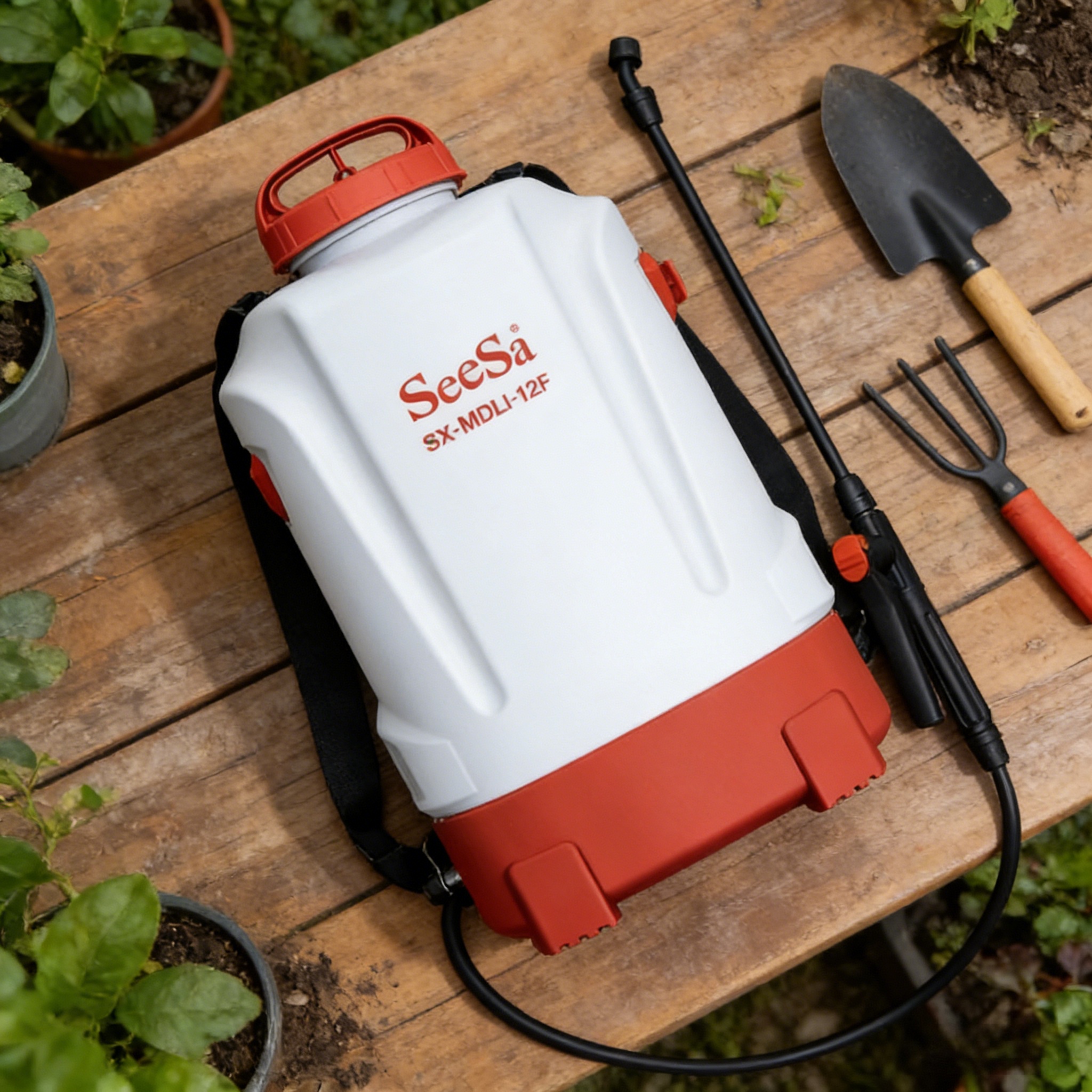
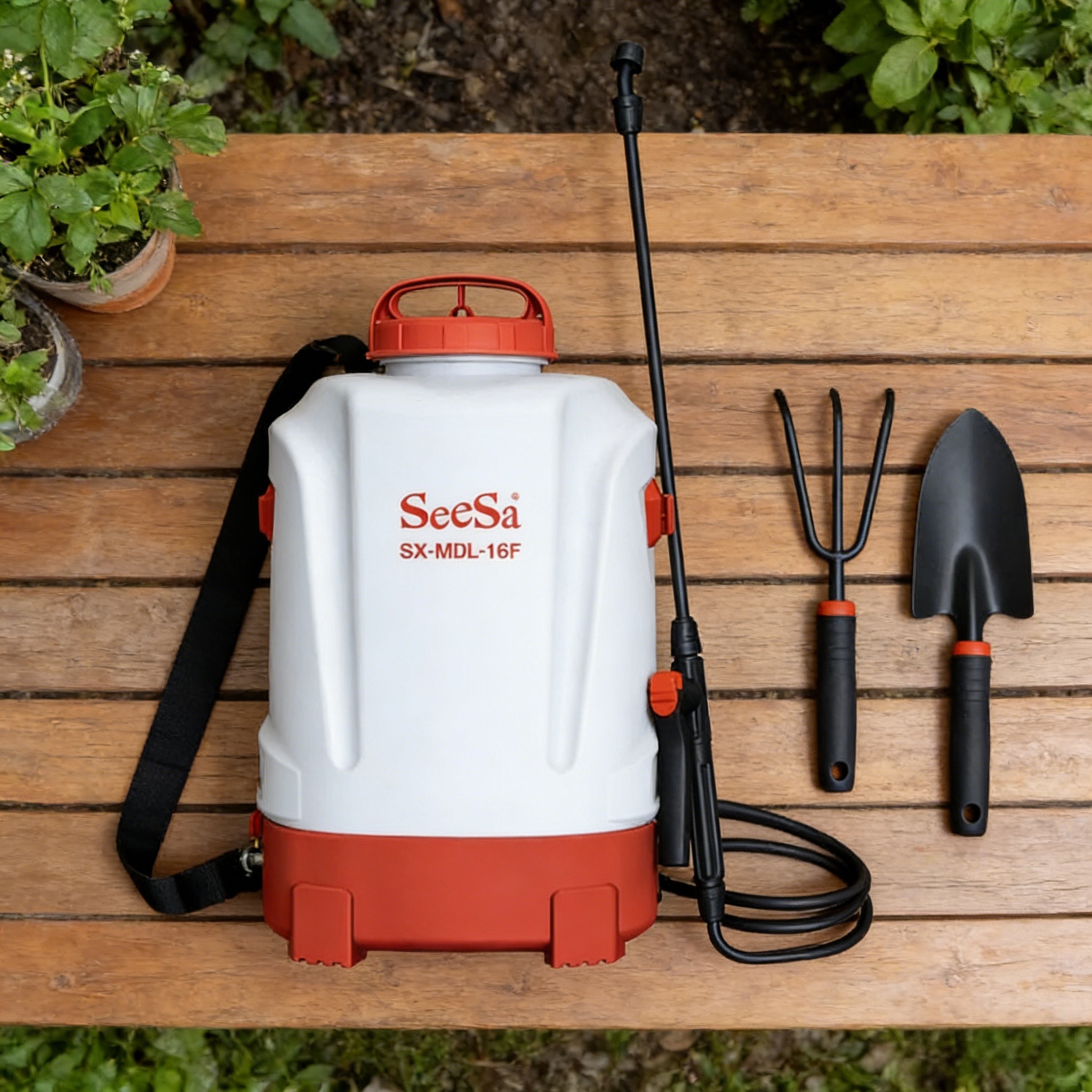
Electric Backpack Sprayers vs. Ordinary Sprayers
Ordinary sprayers (manual or gasoline-powered) fall short in portability, efficiency, or safety—limiting their adaptability. In contrast, electric backpack sprayers shine in efficiency and safe use across multiple scenarios, with clear advantages:
1. Agricultural Scenarios (Farmland, Orchard, Greenhouse)
Traditional manual sprayers require constant pressure boosting, and long-term backpack use causes severe waist and shoulder soreness, reducing work efficiency. Gasoline sprayers are noisy, high-emission, hard to maintain, and unsafe for enclosed greenhouses.
Electric backpack sprayers are tailored for agricultural efficiency and safety:
• Lightweight body with a dedicated shock-absorbing back pad reduces waist burden, allowing fatigue-free operation for hours;
• Threaded sealed chemical tank lid with a fixing device prevents leakage and clothing contamination, ensuring safe handling of pesticides;
• Built-in spray rod holder avoids accidental falls during movement, adapting to complex environments (high/low orchard branches, narrow greenhouse row spacing);
• A single charge covers 8-12 mu (≈0.53-0.8 hectares) of farmland, with uniform atomization improving pesticide utilization by over 18%—efficiently completing pest control for rice/wheat and foliar fertilization for citrus/strawberries.
2. Garden/Horticultural Scenarios (Home Garden, Nursery)
Ordinary sprayers are either too bulky for storage or have poor atomization (damaging delicate plants). Electric backpack sprayers balance efficiency and safety for gardening:
• Adjustable spray modes (fine mist for potted plant nourishment, high-pressure jets for debris cleaning) adapt to diverse gardening needs, boosting maintenance efficiency;
• Detachable, adjustable shoulder straps fit users of all heights, reducing strain during long sessions;
• Chemical tank lid with a built-in handle enables tool-free refilling, avoiding spills and ensuring safe handling of fertilizers or mild pesticides.
3. Cleaning/Disinfestation Scenarios (Public Areas, Poultry Houses)
Disinfestation/cleaning in malls, schools, or poultry houses demands both efficiency and strict safety standards. Electric backpack sprayers meet these requirements:
• Operates at ≤70 decibels (low noise), allowing non-intrusive operation in public or enclosed spaces;
• Built-in intelligent monitoring system prevents short circuits, reverse polarity, and overload—eliminating electrical safety hazards during disinfection;
• Sealed chemical tank design avoids leakage of disinfectants/cleaners, ensuring user safety and improving cleaning efficiency by 2-3 times compared to manual sprayers.
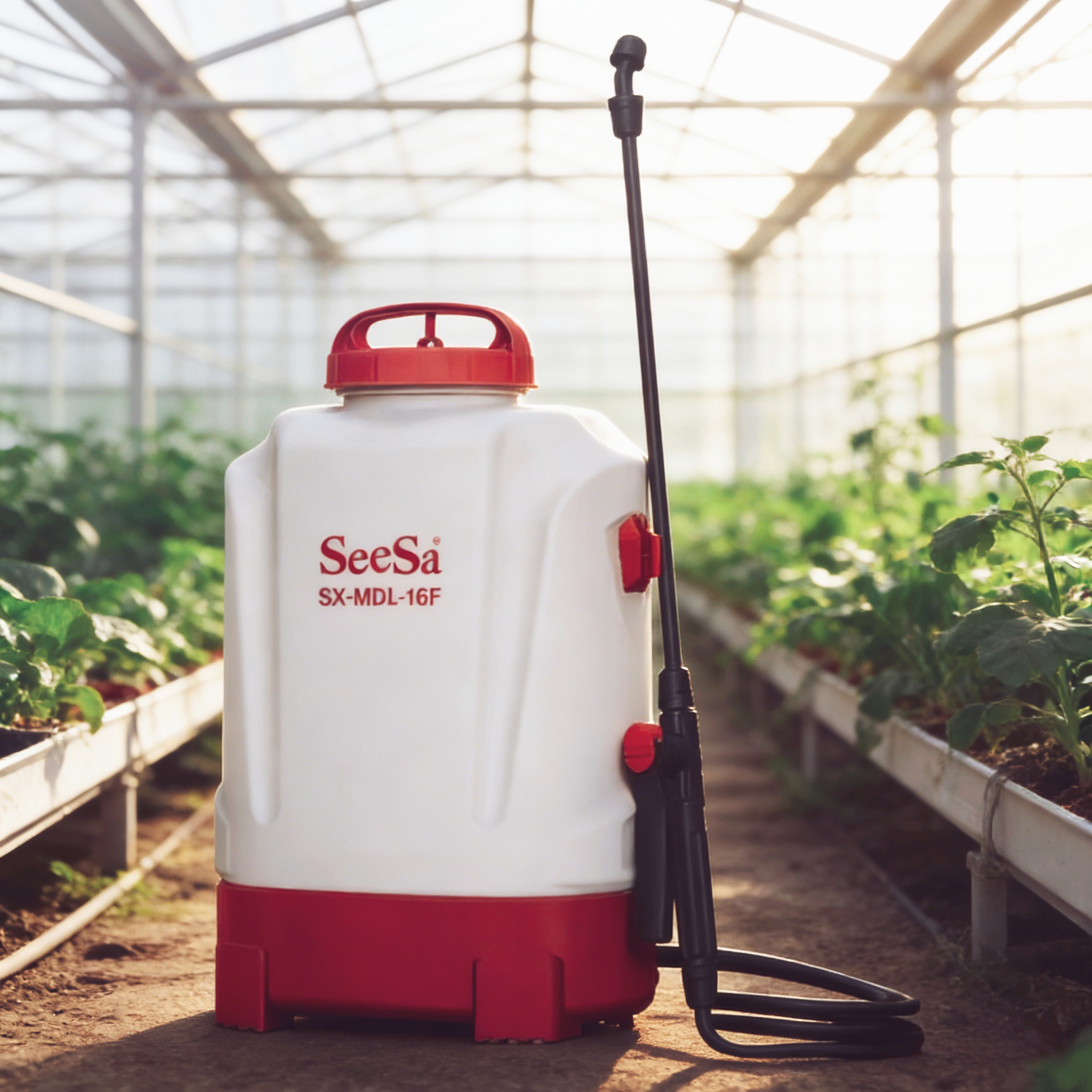
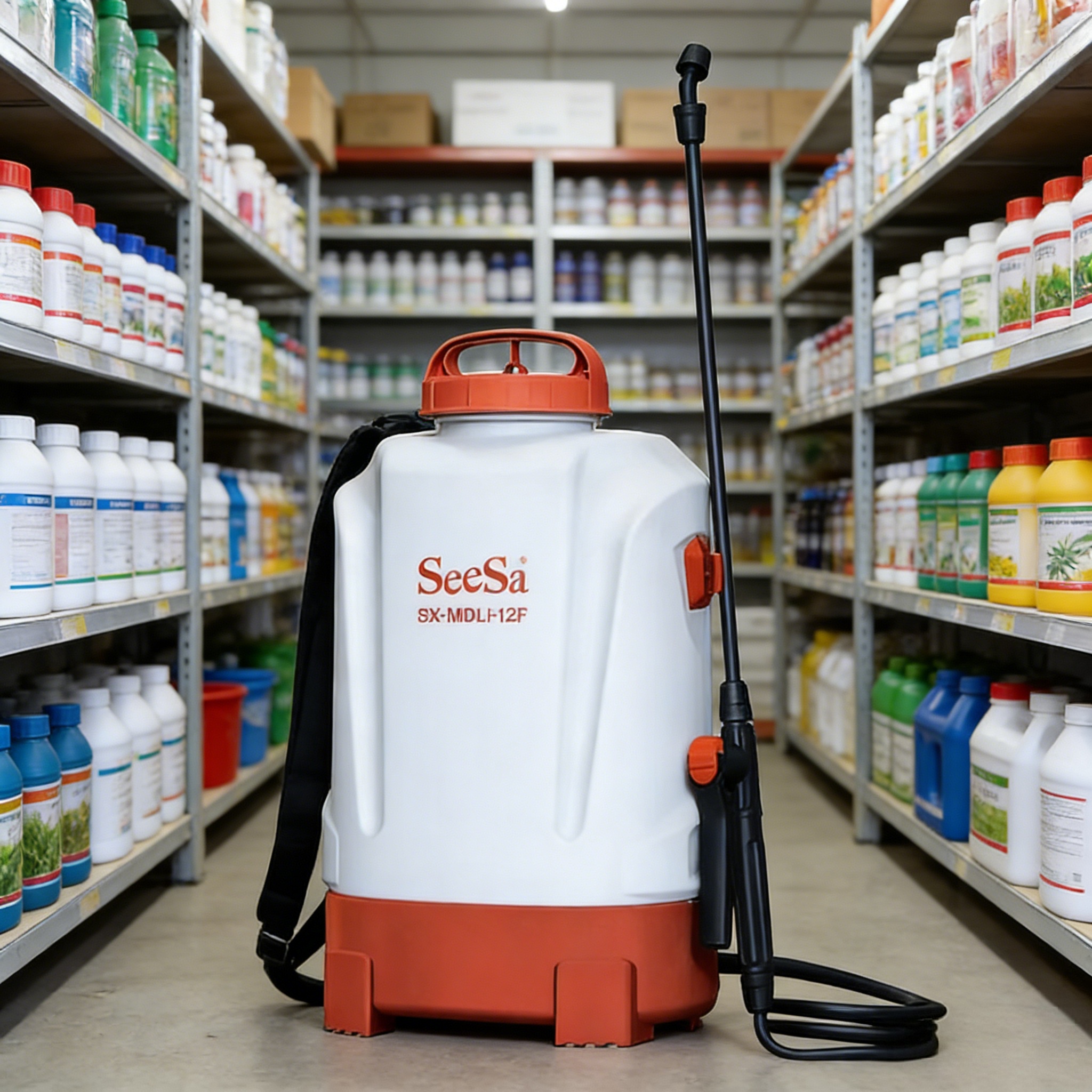
How to Choose an Electric Backpack Sprayer for Efficiency & Safety?
To avoid pitfalls like "insufficient runtime, uncomfortable carrying, poor sealing, or lack of safety protection," focus on the following 4 core dimensions—all aligned with efficiency and safe use:
1. Choose by Application Scenario (Match Efficiency Needs)
• Large-area agriculture (farmland/orchard): Prioritize 16-20L capacity models with 48V+ lithium batteries. Sufficient capacity reduces refilling frequency (boosting efficiency), while high-voltage batteries ensure 3+ hours of runtime for covering 8-12 mu per charge.
• Home garden/nursery: Opt for 8-12L lightweight models. Balances portability and practicality—easy to carry around plants without sacrificing efficiency for small-scale tasks.
• Public area cleaning/disinfection: Select models with enhanced sealing (threaded tank lid + O-ring gaskets) and full circuit protection. Prioritize detachable nozzles/filters for quick cleaning, ensuring safe use with corrosive disinfectants.
2. Core Performance: Prioritize Efficiency & Safety
• Battery life (efficiency core): Choose lithium battery models with ≥3 hours of runtime. Avoid lead-acid batteries (bulky, short lifespan). For agricultural use, 48V/20Ah+ batteries are ideal to prevent mid-operation power outages.
• Backpack comfort (supports long-term efficiency): Look for thickened, breathable back pads (reduces waist/shoulder pressure) and wide, adjustable shoulder straps (evenly distributes weight). This ensures comfort during 4-6 hour shifts—critical for maintaining high efficiency.
• Sealing & safety (non-negotiable): Ensure:
○ Threaded chemical tank lid with a locking device (prevents leakage during movement);
○ Anti-fall spray rod holder (avoids damage or accidents);
○ Circuit protection (overload, short-circuit, reverse polarity prevention)—non-negotiable for safe use with electrical components and chemicals.
3. Operational Convenience (Boosts Efficiency)
• Chemical tank: Choose lids with integrated handles for easy opening/closing—saves time during refills and reduces spill risks.
• Spray rod: Must have a detachable holder for storage/transport (prevents bending or breaking, ensuring long-term efficiency).
• Switch design: One-handed, ergonomic switch (preferably on the spray rod handle) allows flexible operation while moving—avoiding interruptions to workflow.
4. Durability & Maintenance (Ensures Long-Term Efficiency & Safety)
• Tank material: High-strength engineering plastic (impact-resistant, corrosion-resistant) prevents cracks or chemical reactions—safe for long-term use with pesticides/disinfectants.
• Motor: Select motors with overload protection (reduces failure rates, ensuring consistent efficiency). Copper-core motors are preferred (durable, energy-efficient).
• Detachable parts: Opt for models with detachable nozzles, filters, and hoses. Easy to clean residual chemicals, avoiding clogs (maintaining spraying efficiency) and extending equipment life.
FAQ
Q1: What if the electric sprayer has insufficient battery life?
First, match the battery capacity to the operation area when purchasing—for large-area agricultural work, choose lithium battery models with 48V or higher. In daily use, avoid over-discharging and charge the battery promptly after operation. Regularly clean battery contacts and check wiring connections to prevent poor contact affecting battery life. If battery life drops significantly, the battery is likely aged and should be replaced with an original battery of the same specification.
Q2: What causes uneven spraying or insufficient pressure?
There are three common reasons: 1) Clogged nozzle: Remove the nozzle and rinse with clean water to remove residual chemical crystals. 2) Clogged pipeline or filter: Disassemble and clean up debris. 3) Decreased pump efficiency: Check if the pump is loose or worn; contact after-sales for repair or replacement if necessary. Prioritize models with detachable nozzles and filters for easy daily maintenance.
Q3: How to handle water leakage from the electric sprayer?
Leakage mostly occurs at the chemical tank connection or pipeline joints. First, check if the tank lid is tightened and the threaded seal is intact. Then inspect if the O-ring at the pipeline joint is damaged; replace the O-ring and re-tighten if necessary. When purchasing, choose models with a tank lid fixing device to effectively reduce leakage risks.
Q4: How to reduce fatigue when using a backpack electric sprayer?
In addition to choosing models with dedicated back pads, adjust the shoulder strap length to fit your body to avoid load shifting. Distribute the chemical tank capacity reasonably during operation—do not fill it up at once to reduce backpack weight. Regularly check the elasticity of the back pad and replace aged pads in a timely manner.
Conclusion
Choosing the right electric sprayer can make various spraying tasks more efficient. The SeeSa Electric Backpack Sprayer accurately meets multi-scenario needs with a simple and durable design. Its high-strength chemical tank is equipped with a threaded handle lid and fixing device for leak-proof sealing and easy opening/closing. The exclusive small back pad effectively protects the waist and reduces fatigue, while the adjustable and detachable shoulder strap fits different users. The built-in monitoring system avoids circuit safety risks, and the spray rod holder prevents falling—comprehensively solving work pain points.