Once spraying work grows beyond a small, portable routine, equipment format starts to matter as much as spray output. That is the point where a Trailed Sprayer becomes worth serious attention. For growers handling broader areas, repeated rows, or heavier seasonal workloads, smaller sprayers can create too many refill stops and too much wasted time. Shixia Holding Co.,Ltd. understands that users at this stage are not simply looking for a bigger tank. They are looking for a more efficient way to spray larger or more structured working areas with better consistency and less interruption.
What a Trailed Sprayer Is Meant for
Built for towing, capacity, and field efficiency
A trailed sprayer is designed to be pulled by towing equipment, usually a tractor, so it can carry more liquid and cover more ground than smaller mobile sprayers. That extra capacity changes how the work gets done. Instead of treating spraying as a stop-and-start task, the operator can handle larger sections with fewer interruptions and a steadier working rhythm.
This makes the machine especially useful in operations where time matters. The more often a user has to stop for refilling or repositioning, the more total efficiency drops. A trailed format reduces that problem by combining towing support with practical spraying volume.
Why it fills the gap between smaller and larger spray systems
Not every farm needs the same kind of sprayer. Handheld, knapsack, and compact mobile units still work well in lighter or more localized situations. At the other end, very large self-propelled systems suit high-scale field operations. A trailed sprayer fits between those extremes.
That middle position is important because many growers need something more capable than a portable unit, but not necessarily the largest spraying platform available. A trailed system gives them more coverage and better workflow without moving too far beyond their actual workload.
Using a Trailed Sprayer in Large Field Operations
Covering more ground with fewer interruptions
Large fields are one of the clearest examples of when a trailed sprayer makes sense. Once the work area becomes broad enough that frequent refilling slows the job, the advantage of greater tank capacity becomes easy to see. More liquid on board means more spraying time before the operator has to stop.
That improves work pace and helps the operator stay focused on the field rather than the refill cycle. A trailed sprayer with boom coverage is especially useful here because it supports wider treatment passes and smoother field progress.
Why larger coverage improves work planning
Better coverage does more than save time in the moment. It also improves planning. When users can estimate how much area can be treated in one working cycle, the job becomes easier to organize. That matters in seasonal spraying, where timing, labor, and weather windows often affect productivity.
A larger, more consistent spraying setup supports more predictable operations. That is one reason many medium-to-large farms move toward trailed systems when smaller tools begin limiting efficiency.
Using a Trailed Sprayer in Orchards and Vineyards
Why growers choose trailed systems for horticulture
Orchards and vineyards often require repeated spraying over organized but extended working areas. These environments are different from broad open fields, but they still demand reliable capacity and practical movement. A trailed sprayer for orchard work fits well because it supports repeated passes without constant stopping.
Growers in these sectors often value consistency and steady route-based operation. Since the rows are repeated and the treatment schedule is regular, a towing-based sprayer can make the work feel more structured and efficient.
Matching coverage to row-based crop environments
Row-based environments benefit from machines that support repeatable movement and predictable application. A trailed sprayer works well in this setting because the operator can follow established paths and maintain a steady rhythm across the same type of layout.
This helps improve treatment efficiency without relying on overly small equipment. For orchards and vineyards, that balance between capacity and route control is one of the most practical reasons to use this format.
Using a Trailed Sprayer for Fertilizer and Crop Protection
More than one type of liquid application
A trailed sprayer is not limited to one kind of farm input. It can be used for more than one liquid application task, which makes it a practical piece of equipment for operations that handle regular crop care through different stages of the season.
That flexibility matters because buyers often want one system that can support multiple recurring uses rather than a machine that feels too narrow in purpose. The more useful the sprayer is across regular applications, the easier it becomes to justify the investment.
Why application consistency matters
Consistency is important because larger or repeated treatment areas make uneven application more costly. When output and coverage stay more stable, the operator can work with greater confidence across the field or row system.
This is one of the reasons the use of Trailed Sprayer equipment continues to appeal to growers focused on efficiency. A machine that helps maintain a more reliable working pattern can improve both output quality and daily workflow.
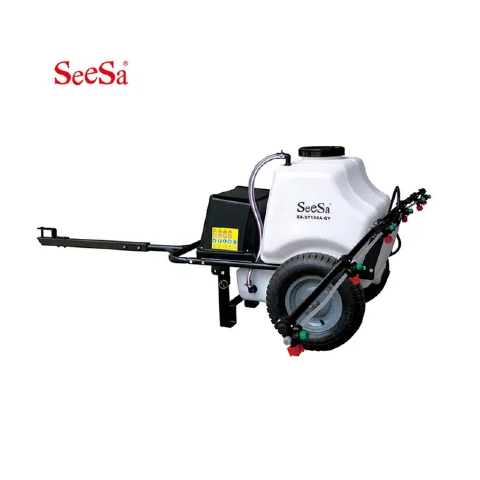
Field Conditions Where a Trailed Sprayer Makes Sense
Best results in operations that already use towing equipment
A trailed sprayer makes the most sense where towing equipment is already part of normal farm operations. If tractors are already used in the workflow, integrating a trailed spraying system becomes much more practical. The sprayer fits into an existing operating pattern rather than requiring a completely different setup.
This is why the format often suits organized farms and professional growing environments. The machine is not working alone. It becomes part of a broader system of field movement and scheduled work.
What kind of workload justifies this format
Not every user needs a trailed unit. This format becomes easier to justify when the workload is repeated, the treatment area is meaningful, and the refill frequency of smaller systems has become inefficient. If spraying is broad, regular, or strongly tied to seasonal time pressure, a trailed sprayer is much easier to value.
That is the real question users should ask. Not whether the category sounds more advanced, but whether their workload has reached the point where a towing-based spraying solution improves efficiency.
When a Trailed Sprayer Is Better Than a Smaller Sprayer
The limits of handheld, knapsack, and small mobile systems
Smaller sprayers remain useful in many situations, but they reach a limit once spraying becomes broader and more repetitive. Handheld and knapsack units are often too slow for larger sections. Small mobile systems can help, but they may still require frequent stopping when the treatment area expands.
That is when users begin to feel the benefit of more capacity and better field flow. A trailed sprayer is not simply larger. It supports a different way of working, one that reduces interruption and better matches medium or larger tasks.
Why the right format improves productivity, not just capacity
Capacity matters, but productivity comes from how the machine fits the job. A trailed sprayer improves workflow because it combines towing support, practical volume, and steadier field coverage. This helps reduce unnecessary delays and keeps treatment work moving more smoothly.
That is why choosing the right sprayer format is often more important than simply choosing a bigger machine. The goal is not size alone. It is better operational fit.
What Buyers Should Check Before Putting One to Work
Tank capacity, boom setup, pump performance, and terrain fit
Before putting a trailed sprayer into regular use, buyers should think about whether the tank capacity matches the workload, whether the boom setup suits the crop or field pattern, and whether the machine fits the terrain it will actually handle. Pump performance also matters because output stability affects coverage quality.
These are practical questions, not technical details for their own sake. A machine works best when its design matches the user’s daily field conditions.
Why the right model matters as much as the right category
Even when the category is correct, the model still needs to suit the job. A trailed sprayer for large fields may not be the same choice as one used in orchard or vineyard work. That is why buyers should think about actual operation rather than category alone.
Shixia Holding Co.,Ltd. understands that good spraying results come from matching equipment to real field demands. The right model supports both efficiency and dependable day-to-day use.
Common Trailed Sprayer Use Cases
Use Area |
Main Need |
Why a Trailed Sprayer Fits |
Main Advantage |
Large fields |
Broad coverage |
Higher tank capacity and boom support |
Fewer interruptions |
Orchards |
Repeated row spraying |
Towed movement through organized routes |
Better work rhythm |
Vineyards |
Structured treatment passes |
Practical fit for row-based environments |
More efficient application |
Fertilizer spraying |
Repeated seasonal input work |
Multi-use liquid application support |
Greater flexibility |
Medium-to-large farms |
Regular workload |
Better than smaller portable systems |
Improved productivity |
Conclusion
A Trailed Sprayer makes the most sense when spraying work has become too broad, too repetitive, or too time-sensitive for smaller equipment to handle efficiently. Shixia Holding Co.,Ltd. develops sprayer solutions for growers who need that next step in coverage, consistency, and towing-based efficiency. For larger fields, orchards, vineyards, and regular crop care, the right towed sprayer can make daily operations smoother and more productive. If you would like to learn more about suitable products for your application, contact us.
FAQ
1. When should you use a Trailed Sprayer?
You should use a Trailed Sprayer when the work area is large enough that portable spraying becomes inefficient and frequent refilling starts slowing the job down.
2. Is a trailed sprayer for orchard work a good choice?
Yes. A trailed sprayer for orchard work is often a strong choice because it supports repeated row spraying with better capacity and steadier workflow.
3. What is the main advantage of a trailed sprayer with boom?
A trailed sprayer with boom helps cover more ground in fewer passes, which improves field efficiency and reduces interruptions.
4. Is a trailed sprayer better than a smaller sprayer?
It is better when the workload is broader, more repetitive, and more time-sensitive. Smaller sprayers are still useful for lighter or localized tasks.