Introduction
Are you looking for a more efficient way to tackle your spraying tasks? Knapsack sprayers offer a portable, effective solution for various applications, from gardening to pest control. In this article, we’ll discuss the key features of knapsack sprayers, how to choose the right one, and maintenance tips to ensure longevity.
What Is a Knapsack Sprayer?
Definition and Basic Functionality
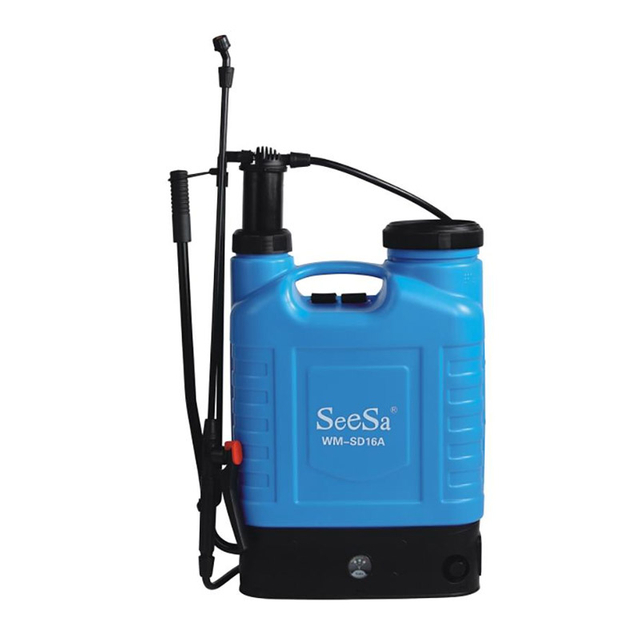
A knapsack sprayer, also known as a backpack sprayer, is a portable spraying device designed to apply liquid solutions such as pesticides, herbicides, and fertilizers. It is typically worn on the back, like a backpack, which makes it highly convenient for the user to carry and operate over large areas.
The basic functionality revolves around a few core components that work together to deliver a controlled and effective spray. Here’s a breakdown of the main parts:
● Tank: Holds the liquid solution. It comes in different capacities (from 5L to 18L) to suit various applications.
● Hose: Connects the tank to the nozzle. It allows the user to direct the liquid precisely where it's needed.
● Nozzle: Controls the flow of the liquid. It often has adjustable settings to create different spray patterns (e.g., mist or stream).
● Pressure System: Either manual (via a pump) or powered (by battery or gasoline), this system pressurizes the tank to push the liquid out through the nozzle.
Key Benefits of Using a Knapsack Sprayer
● Portability and Ease of Use:
○ Designed to be worn on the back, these sprayers provide hands-free operation, allowing users to move freely and spray over large areas without feeling fatigued. Their lightweight design makes them ideal for extended use.
● Precision and Efficiency:
○ The spray nozzle can be adjusted to ensure precise application of liquids. This is especially important in fields like agriculture, where applying pesticides or fertilizers in the right amounts can make a significant difference in crop health. With a knapsack sprayer, the liquid is dispersed evenly, reducing waste and ensuring more effective results.
● Versatility in Various Applications:
■ Gardening: For spraying water, fertilizers, and pesticides on plants and lawn care.
■ Pest Control: Ideal for applying insecticides or herbicides to combat pests and weeds.
■ Sanitation: Used in public health to disinfect surfaces, especially in areas like hospitals, schools, and large public spaces.
Applications in Table Format:
Application | What It’s Used For | Example Use Case |
Agriculture | Pesticides, fungicides, herbicides, fertilizers | Spraying crops to prevent diseases and pests |
Gardening | Watering, fertilizing, pest control | Spraying flowers and shrubs in a garden |
Pest Control | Insecticides, rodenticides | Applying treatments in greenhouses or farms |
Sanitation | Disinfectants and cleaning agents | Public spaces, offices, hospitals |
Common Uses for Knapsack Sprayers
Agricultural Applications
Knapsack sprayers are an essential tool for farmers, offering a convenient and efficient way to apply a range of solutions to crops. Here’s how they play a crucial role in agricultural practices:
● Pesticides and Fungicides: Farmers use knapsack sprayers to apply pesticides and fungicides to protect crops from harmful insects, fungi, and diseases. This helps to keep plants healthy and prevent potential crop loss.
● Herbicides and Fertilizers: These sprayers are also used to apply herbicides to control unwanted weeds and fertilizers to ensure plants receive the necessary nutrients to grow. Proper application improves crop yield and quality.
By delivering precise amounts of liquid directly to plants, knapsack sprayers ensure that crops receive the appropriate protection and nourishment, boosting overall productivity.
Pest and Disease Control in Gardens
Knapsack sprayers aren’t just limited to large-scale agricultural use—they’re also valuable in home gardens, helping to control pests and prevent plant diseases.
● Pest Control: Gardeners can apply insecticides using a knapsack sprayer to protect flowers, vegetables, and shrubs from a range of pests, including aphids, beetles, and caterpillars. The precision of the sprayer ensures that the chemicals are applied exactly where needed without affecting other plants.
● Disease Prevention: Sprayers can also be used for applying fungicides to prevent the growth of mold and mildew, which can damage crops and ornamental plants. For instance, knapsack sprayers are highly effective at preventing powdery mildew in roses or tomatoes.
Common Pests Controlled Using Knapsack Sprayers:
● Aphids
● Whiteflies
● Caterpillars
● Spider mites
Seesa’s Knapsack Sprayers: Innovation and Quality
Leading the Industry with Innovation
Seesa, a global leader in sprayer manufacturing, has been at the forefront of innovation since its establishment in 1978. The company’s long history has made it a trusted name in the industry, known for continuously advancing the design and technology of its sprayers. With over 200 patents, including 26 invention patents, Seesa is recognized as a patent demonstration enterprise in China. This commitment to innovation drives their ability to offer cutting-edge solutions for various spraying needs.
Seesa’s dedication to maintaining high-quality standards is evident in their numerous international certifications like ISO9001, CE, GS, and ISO14001. These certifications ensure that every product meets rigorous quality standards, providing customers with reliable and efficient sprayers for both professional and personal use.
Extensive Range of Sprayers for Every Need
Seesa manufactures a wide array of sprayers, ensuring that there’s a solution for every application, whether for small garden care or large-scale agricultural tasks. Their product lineup includes:
● Manual Sprayers: Simple, cost-effective, and ideal for small-scale gardening or occasional use.
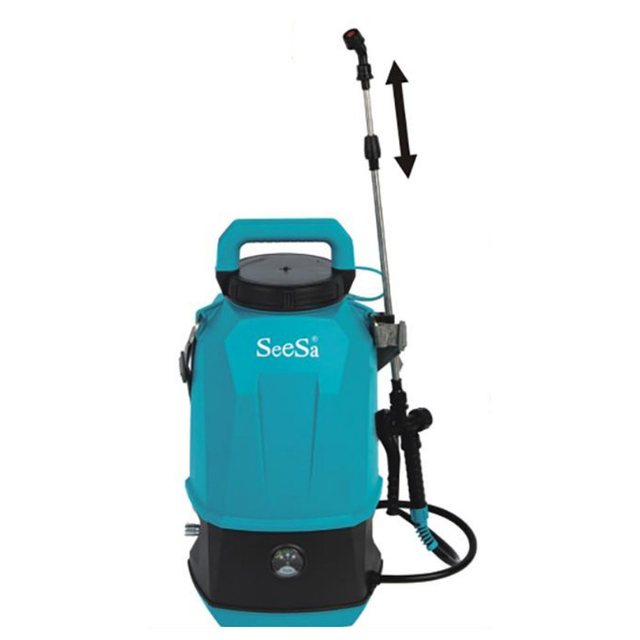
● Battery-powered Sprayers: These offer efficiency and convenience, reducing physical strain and allowing users to cover larger areas quickly.
● Professional Sprayers: High-capacity models designed for commercial use, ideal for farms, orchards, and industrial applications.
Seesa's products are globally recognized and exported to over 80% of the global market, especially in Europe and the U.S. Their worldwide reach showcases the company’s strong reputation and growing presence in the international sprayer industry.
Sprayer Types Comparison:
Type | Best For | Capacity Range | Use Case |
Manual Sprayers | Small-scale, budget-friendly tasks | 5L - 12L | Home gardening, small fields |
Battery-powered Sprayers | Efficiency and convenience for larger areas | 12L - 18L | Large garden areas, farms |
Professional Sprayers | High capacity, durable, intensive use | 15L - 20L | Commercial farming, orchards, public spaces |
Designed for Durability and Performance
At Seesa, quality manufacturing is a top priority. Their products are built with advanced automated equipment and high-grade materials, ensuring that each sprayer is not only effective but also durable enough to withstand heavy use. With a focus on robust construction, Seesa sprayers are made to perform in challenging conditions, providing users with long-lasting reliability.
An example of their quality craftsmanship is the 12L Stihl SG51 Sprayer, a perfect choice for both professional and domestic use. It combines lightweight design with advanced features like an adjustable spray nozzle and ergonomic straps, ensuring comfort during extended use while maintaining precision in liquid application.
The Stihl SG51 is a great demonstration of Seesa’s ability to balance performance with comfort, making it an ideal solution for various spraying tasks.
Key Considerations Before Buying a Knapsack Sprayer
Manual vs. Battery-powered
When choosing a knapsack sprayer, one of the first decisions you'll need to make is whether to go for a manual or battery-powered model. Both have their pros and cons, depending on your needs.
● Manual Models:
○ How it works: You manually pump a lever to pressurize the tank.
○ Ideal for: Small to medium-sized tasks, particularly in gardens or smaller agricultural spaces.
○ Advantages: Lower cost, lightweight, no reliance on batteries or charging, and easy to maintain.
○ Disadvantages: Requires more physical effort, especially for large areas or long spraying sessions.
● Battery-powered Models:
○ How it works: Uses an electric pump powered by a rechargeable battery to apply the liquid.
○ Ideal for: Larger areas or heavy-duty tasks that require extended use without physical strain.
○ Advantages: Less physical effort, consistent spraying pressure, and longer working hours with minimal fatigue.
○ Disadvantages: Higher upfront cost, reliance on battery life, and the need for regular charging.
When to Choose Which:
Task Type | Recommended Model | Reason |
Small garden or lawn care | Manual knapsack sprayer | Ideal for limited use, lighter weight. |
Large field or commercial farm | Battery-powered knapsack sprayer | Reduces physical effort and increases efficiency. |
Short, occasional tasks | Manual knapsack sprayer | More cost-effective for infrequent use. |
Extended, continuous spraying | Battery-powered knapsack sprayer | For more comfort and less strain. |
Capacity: Choosing the Right Size for Your Needs
When selecting a knapsack sprayer, tank capacity plays a key role in determining how often you’ll need to refill during use. Choosing the right size ensures efficiency and minimizes downtime.
● Smaller Capacities (5L–10L): Perfect for small-scale tasks, such as lawn care, small gardens, or light fertilizing. They are lighter and easier to maneuver but require frequent refills.
● Medium Capacities (12L–15L): These are a good middle ground for both residential and light commercial use. They cover larger areas without being too heavy to carry.
● Larger Capacities (18L+): Best for commercial use or large agricultural fields, where minimal downtime is important. These sprayers can carry a lot of liquid but tend to be heavier, so consider the weight vs. capacity trade-off.
Considerations for Choosing the Right Size:
Capacity | Best For | Weight | Recommended Use |
5L-10L | Small gardens, occasional tasks | Light | Homeowners, small gardens |
12L-15L | Medium gardens, landscaping | Moderate | Mixed residential/commercial use |
18L+ | Large agricultural fields | Heavy | Commercial use, large farms |
Keep in mind, larger capacities are beneficial for larger spaces, but a sprayer that is too heavy may cause strain during extended use. Ergonomics and comfort become key when dealing with large sprayers.
Comfort and Ergonomics
Comfort is an essential consideration for users, especially when using the sprayer for long periods. Here are some features to look for:
● Adjustable Straps: Make sure the straps are adjustable and padded to distribute the weight evenly and prevent discomfort.
● Lightweight Design: Lighter sprayers are easier to carry, but it’s important to find a balance between weight and capacity. Heavier models, while durable, can strain your back after prolonged use.
● Padded Panels and Back Support: Many sprayers are designed with ergonomic back panels to reduce pressure on your back and shoulders. Look for models that provide lumbar support to ensure you stay comfortable throughout the day.
Conclusion
Knapsack sprayers are essential tools for efficient spraying in various fields such as agriculture, gardening, and pest control. Shixia Holding is a global leader in sprayer manufacturing, known for its innovative solutions and high-quality products. Their range of knapsack sprayers is designed to cater to both small and large-scale needs, offering precise, efficient, and user-friendly solutions for every spraying task.
FAQ
Q: What are Knapsack Sprayers?
A: Knapsack sprayers are portable devices used to apply liquid solutions like pesticides or fertilizers. They are worn like a backpack and are ideal for large areas.
Q: How do I choose between manual and battery-powered knapsack sprayers?
A: Knapsack sprayers: What You Need to Know shows that manual sprayers are cost-effective and suitable for small tasks, while battery-powered models are ideal for larger areas and reduce physical effort.
Q: What is the capacity of a typical knapsack sprayer?
A: Knapsack sprayers typically range from 5L to 18L, with larger capacities better suited for extensive areas and smaller ones for smaller gardens or occasional tasks.
Q: Why are ergonomic features important in knapsack sprayers?
A: Ergonomics ensure comfort during use. Adjustable straps, padded back panels, and lightweight designs help prevent strain during extended spraying sessions.
Q: What are the benefits of using Seesa’s knapsack sprayers?
A: Seesa’s knapsack sprayers offer durability, innovative features, and global reliability. Their products are engineered for efficiency and designed to last, ensuring reliable performance in every task.