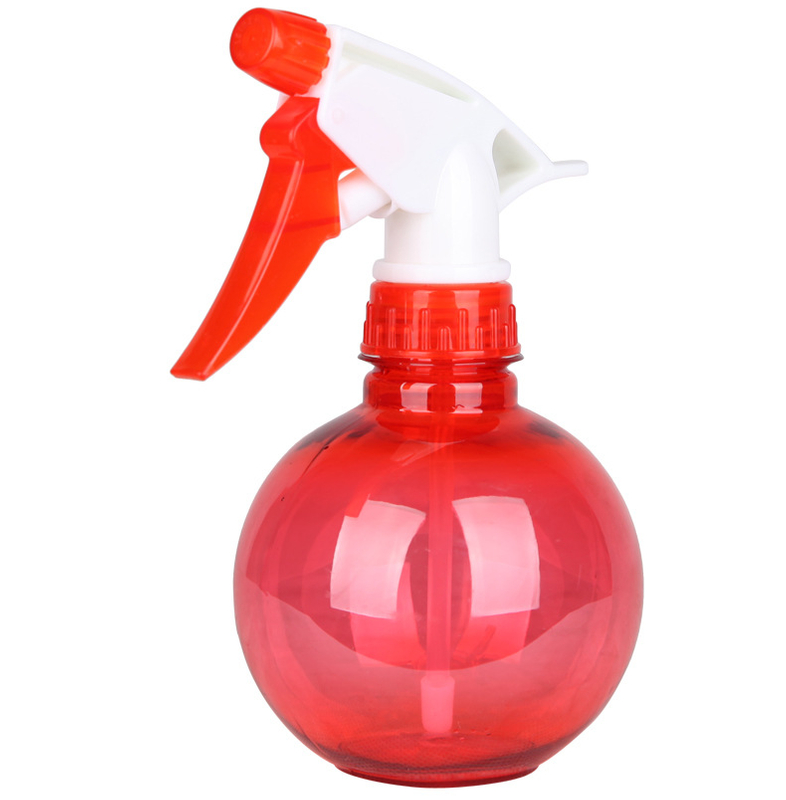
Misting houseplants often feels like a messy, frustrating chore for many indoor gardeners. You aim to refresh your indoor jungle, but end up with damaged furniture and stained walls. Pooling water on plant leaves simply adds to the daily frustration. We often blame our own technique when water spots ruin delicate surfaces. However, the root problem fundamentally lies in droplet size and mechanical delivery. It is not just a matter of user error. Large water droplets do not increase ambient humidity effectively for tropical plants. Furthermore, they can actively promote severe fungal pathogens. In this comprehensive guide, you will learn how to permanently overcome these issues. We explore how pairing specific application techniques with precision hardware transforms your daily routine. Specifically, we will show you why a trigger fine mist sprayer is absolutely essential. It provides the ultimate solution for maintaining healthy leaves while keeping your floors perfectly dry.
Key Takeaways
Droplet Size is Critical: Standard cleaning sprayers output large, heavy drops that pool and cause runoff; fine mist requires micro-droplets.
Hardware Trumps Technique: Achieving an even, non-drip coat is mechanically impossible with low-quality nozzles, regardless of user skill.
Application Method: Maintaining a minimum 12-inch distance and using a sweeping motion prevents localized oversaturation.
Biological Limitations: Misting is for foliar maintenance, pest deterrence, and localized cooling—it does not replace a room humidifier for tropical plants.
The Problem with Pooling: Why Droplet Size Dictates Outcomes
Plant care requires a careful balance of environmental moisture. Large wet spots disrupt this delicate balance completely and stress your plants. They create ideal micro-environments for rapid, destructive fungal infections. Pathogens like powdery mildew and leaf spot thrive in these damp conditions. These destructive issues occur when evaporation takes too long. Fungal spores rely heavily on standing water to germinate successfully. Heavy droplets provide exactly the standing water they need to multiply. You must prevent this moisture accumulation to protect your indoor garden.
Water molecules naturally cling together due to standard surface tension. Heavy droplets quickly merge together on the wide leaf surface. This merging action eventually breaks the water's natural surface tension limit. The excess liquid then rolls rapidly off the slippery leaf edge. It drips aggressively onto your expensive hardwood floors below. It can easily warp laminate or leave white rings on antique wooden furniture. You end up cleaning frustrating puddles instead of nurturing your plants. The physics of large droplets guarantees messy runoff every single time.
You need a clear, measurable success metric for indoor misting. Moisture should evaporate from the leaf surface relatively quickly. Botanists recommend a specific evaporation timeframe of 15 to 20 minutes. If water pools longer than this, you face an immediate mechanical problem. The droplet size is simply too large for quick, safe evaporation. Alternatively, your indoor environment might lack sufficient air circulation. Stomata, the tiny pores on leaves, can actually become blocked by standing water. This blockage severely reduces the plant's ability to photosynthesize and breathe.
Best Practices and Common Mistakes
Best Practice: Monitor your plant foliage exactly 20 minutes after spraying. The leaves should feel completely dry to the touch.
Common Mistake: Assuming heavy saturation mimics natural tropical rainfall. Indoor plants lack the outdoor wind and direct sun needed to dry quickly.
Solution Categories: Standard Spray Bottles vs. Trigger Fine Mist Sprayers
You must understand the mechanical differences between dispensing tools to improve your routine. Standard sprayers serve as our baseline for comparison in this category. Manufacturers design these basic tools for dispensing harsh cleaning chemicals. They prioritize sheer liquid volume over delicate application precision. You experience highly inconsistent spray patterns and frequent nozzle sputtering. These basic tools output large, aggressively heavy drops with every squeeze. Using them guarantees a high risk of large wet spots. They belong under the kitchen sink, not in your indoor greenhouse.
Enter the specialized hardware upgrade designed for plant care. A dedicated trigger sprayer changes the entire dynamic of foliar feeding. It utilizes a highly specialized internal pre-compression mechanism. This engineering builds tension and forces liquid through a micro-nozzle at high pressure. The result is a beautifully uniform, aerosol-like mist. You achieve this perfect spray without using any harmful chemical propellants. Droplets emerge incredibly light and airy from the nozzle. They settle evenly across delicate foliage without ever pooling or dripping.
Many premium models also offer a valuable continuous spray functionality. This mechanism prolongs the misting duration per pump significantly. It builds internal pressure to sustain the spray for several seconds. This feature drastically reduces hand fatigue during extensive plant care sessions. You can easily ensure an even coat across very large plants. It works beautifully for expansive canopies like Monsteras or tall Ficus trees. You save time while drastically improving the overall coverage quality.
Sprayer Comparison Chart
Feature
Standard Bottle
Precision Upgrade
Droplet Size
Large, inconsistent drops
Uniform micro-droplets
Mechanism
Direct draw suction
Pre-compression chamber
Runoff Risk
Very High
Extremely Low
Hand Fatigue
High (requires rapid pumping)
Low (continuous action)
Implementation: Proper Technique to Prevent Runoff
Even the highest quality hardware requires the correct physical technique. Proper implementation prevents annoying runoff and protects your home surfaces. You must follow specific operational rules to achieve the best results.
The 12-to-18 Inch Rule: Always maintain a proper working distance from the plant. Keep the nozzle exactly 12 to 18 inches away from the plant canopy. This specific gap allows the mist cone to fully expand outward. The micro-droplets separate perfectly in the air before making contact. Close-range spraying defeats the purpose and guarantees instant pooling on leaves.
The Sweeping Motion: Never spray statically point-blank at one single leaf. Mandate a continuous sweeping motion for your arm instead. Move your hand smoothly during the entire trigger pull. This dynamic action distributes moisture evenly across the entire leafy canopy. Think of it exactly like applying an even coat of spray paint.
Top and Bottom Coating: Plant leaves absorb moisture differently on the top and bottom. Focus carefully on the undersides of your leaves during application. Stomata are highly concentrated in these hidden, protected areas. Common indoor pests like spider mites also love to hide here. Angle your tool upward to coat these zones lightly. A gentle touch prevents top-leaf pooling from heavy overspray.
Time of Day Considerations: Morning application remains the safest and most effective choice. It aligns perfectly with natural plant transpiration cycles and vapor pressure deficits. Morning light and rising warmth ensure full evaporation occurs quickly. The foliage must dry completely before nighttime temperatures drop. Damp, cool leaves invite sudden and devastating fungal outbreaks in your home.
Evaluating and Shortlisting a Trigger Sprayer
You need specific criteria to evaluate and select professional spray tools. Not all products on the market deliver the same reliable results. You must look past the external aesthetics and focus on mechanics.
Nozzle Precision and Material: Look closely at the engineered nozzle components first. High-quality designs often feature durable internal metal springs. They might use high-grade polymer pre-compression chambers instead. These premium materials guarantee uniform micron sizes over thousands of pumps. Cheap plastic nozzles wear out rapidly and distort the spray cone. You want internal components engineered specifically for long-term reliability.
Volume per Stroke (Output): Volume per stroke dictates your control over the moisture. Assess the cc/stroke rating carefully before making a purchase. A top-tier tool should output roughly 1.2cc of liquid. This precise volume applies per second of continuous spray action. This careful calibration prevents accidental oversaturation of your prized plants. It gives you total control over the exact moisture application.
Ergonomics and Durability: Ergonomics and durability protect your hands and your floors. Evaluate the trigger tension for smooth, comfortable daily operation. Test the grip style for long, uninterrupted misting sessions. Cheap mechanisms fail quickly under regular household use. They often leak profusely at the neck gasket when tilted sideways. Invest in durable internal seals to avoid frustrating chemical or water drips.
Opaque vs. Clear Reservoirs: Consider the reservoir material based on your specific feeding needs. Opaque bottles serve a very important horticultural purpose. You might use foliar feeds or organic neem oil mixtures. Opaque materials prevent rapid UV degradation of these active ingredients. Clear bottles completely lack this vital light protection. However, clear designs make monitoring your current water levels much easier. Choose based on your specific liquid contents and storage habits.
Risk Mitigation: When Not to Mist
Knowing exactly when to stop is just as important as your technique. Some specific situations demand a strictly dry, hands-off approach. You must recognize these botanical exceptions to avoid killing your plants.
First, identify plants featuring fuzzy or highly textured leaves. African Violets, Gloxinia, and Begonias are excellent examples of this category. These unique plants have tiny epidermal hairs officially called trichomes. Any moisture gets trapped instantly by these dense biological structures. Even the finest micro-droplets cannot escape easily from the dense fuzz. This trapped moisture almost always causes rapid, irreversible tissue rot. Keep water away from their delicate foliage entirely at all times.
Second, strictly evaluate your room's ambient airflow before spraying. Never spray plants in a completely stagnant, closed room. Micro-droplets require ambient moving air to evaporate efficiently and safely. Without moving air, the moisture simply sits heavily on the surface. The tiny drops eventually coalesce into large, problematic wet spots. You should run a small oscillating fan nearby to solve this issue. Good ventilation is a non-negotiable requirement for indoor foliar routines.
Third, consider the severe complications of using hard tap water. Municipal tap water often contains high levels of dissolved minerals. Fine misting with tap water leaves ugly white deposits behind. Calcium and magnesium build up heavily on the leaf cuticles over time. These stubborn deposits block vital sunlight and look visually terrible. We highly recommend using pure distilled or collected rainwater instead. This simple liquid switch ensures perfect aesthetic maintenance for your indoor jungle.
If you accidentally create hard water spots, do not panic. You can gently wipe the affected leaves with a diluted lemon juice solution. However, preventing the spots entirely with pure water saves you significant time.
Conclusion
Avoiding large wet spots requires a simple but fundamental shift in approach. You must abandon generic household cleaning tools entirely for this delicate task. Adopt a purpose-built precision tool for your daily plant care routine. This single hardware upgrade easily solves the vast majority of oversaturation problems.
Remember the golden rule for maintaining beautiful, healthy indoor plants. Combine microscopic droplets with a minimum 12-inch spraying distance. Add adequate ambient airflow into the environmental mix for fast evaporation. This highly reliable formula guarantees vibrant, healthy leaves and perfectly dry floors. You can finally enjoy the maintenance process without the messy cleanup.
Take immediate action today with a very simple home test. Audit your current spray bottle right now to verify its performance. Spray it directly onto a bathroom mirror or a piece of dry cardboard. Observe the resulting droplet distribution very closely. If you see immediate pooling, heavy drips, or uneven splatters, it is time to upgrade. Switch to specialized precision hardware and protect your home environment from unnecessary water damage.
FAQ
Q: Can a standard trigger sprayer be adjusted to create a fine mist?
A: Most adjustable standard sprayers can tighten to a "mist" setting. However, they lack the pre-compression chamber necessary to uniformize droplet size. This results in a sputtering mix of mist and large drops. You cannot rely on them for delicate foliage without causing wet spots.
Q: Why does my trigger fine mist sprayer occasionally spit large drops?
A: This is usually caused by a temporary loss of prime. Alternatively, a clog in the micro-nozzle from hard water minerals creates issues. A failing internal seal might also be the culprit. Regular flushing with warm distilled water mitigates this problem effectively and restores uniform output.
Q: Will a fine mist ruin my wooden furniture if it drifts?
A: A true fine mist evaporates very rapidly in the air. You should definitely avoid direct, sustained spraying on any furniture. However, incidental drift from a high-quality tool is extremely safe. It is far less likely to damage wood finishes than the heavy, pooling runoff from a generic standard bottle.
Shixia Holding Co., Ltd. was establishes in 1978, that has more than 1,300 employees and more than 500 sets of various injection molding machines, blow molding machines and other advanced equipment.