A sprayer should make work easier, not turn a simple job into a tiring routine. That is why many buyers ask whether an Electric Sprayer is really worth the extra money. Most people are not comparing products only by price. They are trying to decide whether electric spraying can save time, reduce effort, and deliver more even coverage in real use. For gardeners, growers, landscapers, and maintenance teams, that question is practical rather than theoretical. Shixia Holding Co.,Ltd., as a long-established sprayer manufacturer, understands that buyers want a clear answer based on workload, comfort, and performance instead of marketing language alone.
What Makes an Electric Sprayer Different?
It sprays with steady power instead of hand pumping
The main difference between an electric sprayer and a manual sprayer is easy to understand. A manual sprayer depends on repeated hand pumping to keep pressure up, while an electric model provides powered support that keeps the spray more continuous. On paper, that sounds like a simple upgrade. In daily work, it changes the entire spraying process.
With a manual sprayer, users often stop and start. They spray for a short time, notice the pressure dropping, pump again, and continue. That pattern interrupts the rhythm of the work. It also makes the spraying experience less comfortable, especially when the job lasts longer than expected. An electric sprayer removes much of that interruption, so users can focus on movement, direction, and coverage instead of constantly rebuilding pressure.
Why that difference matters in daily work
That difference becomes meaningful during actual tasks such as weed control, pesticide application, fertilizer spraying, and routine garden care. These jobs often require the user to move around plants, adjust the wand angle, cover edges carefully, or spray rows at a steady pace. Repeated pumping breaks concentration and can make the work feel slower than it should.
A more stable output also helps users feel more confident during spraying. When the flow is more even, coverage is easier to manage. Users are less likely to over-apply in one spot and under-apply in another. For people who spray regularly, this kind of consistency is one of the strongest electric sprayer benefits.
When an Electric Sprayer Is Truly Worth the Money
Large areas and repeated spraying jobs
An electric sprayer becomes more worthwhile as the spraying area grows. That does not only apply to very large farms. A home garden with several beds, a greenhouse, an orchard section, a vegetable plot, or a landscape maintenance route can already be enough to make manual pumping feel inefficient.
The more ground the user covers, the more obvious the time savings become. Instead of spending physical effort on maintaining pressure, the user can spend more of the session actually spraying. When that happens repeatedly over weeks or seasons, the value of the upgrade becomes easier to see.
Repeated use is another major reason many buyers move to electric models. A person who sprays once in a long while may not care much about pumping effort. But someone who sprays often will feel the difference very quickly. For regular work, comfort and pace become part of the real cost of the job.
Users who care about comfort and consistency
Comfort is often underestimated until the work becomes repetitive. Manual pumping places continuous strain on the hand, wrist, arm, and sometimes the shoulder. Over a longer task, that strain can make spraying less steady and less pleasant. For some users, especially those maintaining larger gardens or working through frequent seasonal applications, that physical effort is one of the main reasons to upgrade.
Consistency is equally important. Many buyers are not looking for an electric model simply because it is modern. They want fewer interruptions, smoother spraying, and better results. A battery powered sprayer often appeals to users who want work to feel easier and coverage to feel more reliable from start to finish.
Where a Manual Sprayer Still Makes Sense
Small jobs, occasional use, and tighter budgets
A fair answer should admit that a manual sprayer still has its place. If the user only sprays a very small area once in a while, the lower upfront price may make better sense. For limited home use, a manual model can still complete the task without requiring a larger investment.
This is especially true when the work is light and infrequent. A buyer treating a few plants or handling occasional spot spraying may not immediately benefit enough from an electric upgrade to justify the extra cost. In that case, a manual option can remain practical.
Why “worth it” depends on workload, not hype
The real decision is not whether electric is automatically better in every case. It is whether the user’s workload makes the extra convenience and consistency valuable enough to matter. For lighter use, the answer may be no. For repeated or broader use, the answer is often yes.
That is why “worth it” should always be tied to actual use. A tool becomes worth the money when it improves the job in a noticeable way. An electric sprayer is most valuable when it saves effort, supports a steadier spray pattern, and makes regular work easier to manage.
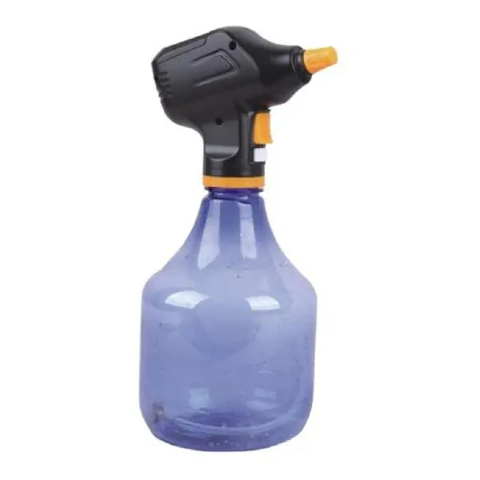
The Real Benefits Buyers Notice After Switching
Faster work and more even coverage
One of the first things users notice after switching is that the job moves faster. Without the need to stop and pump again and again, spraying becomes more continuous. That helps users finish work more efficiently and maintain a smoother pace throughout the task.
This also improves coverage. When the spray remains steadier, it becomes easier to move consistently across rows, garden sections, or treatment areas. That can help reduce missed spots and limit unnecessary overlap. Over time, users often feel that the job is not only faster but also more controlled.
Better reach and easier handling for different tasks
Spraying is rarely done in one perfectly open area. Users may need to reach under leaves, spray around corners, treat taller plants, or move through uneven garden layouts. When the operator is not distracted by constant pumping, handling feels easier and more natural.
That difference can be especially useful for broader beds, property edges, and repeated row work. A smoother spraying experience often means less frustration during the task, and that matters more than many buyers expect. In everyday use, convenience is not a minor detail. It is part of overall performance.
Electric Sprayer vs Manual Sprayer
Factor | Electric Sprayer | Manual Sprayer |
Workload | Better for repeated and larger jobs | Better for light, occasional work |
Spray Consistency | More stable during use | Changes as pressure drops |
Operator Fatigue | Lower physical effort | More arm and shoulder strain |
Work Speed | Faster and smoother | Slower due to pumping stops |
Ideal User | Frequent users and larger-area users | Small-area or budget-focused users |
This comparison shows why the discussion is not only about technology. It is about how efficiently the work gets done and how comfortable the process feels during real use.
What to Look for Before Buying One
Tank size, battery life, pressure, and nozzle options
If an electric sprayer seems like the right choice, the next step is to look at the features that affect daily use. Tank size should match the usual workload. Battery life should support enough operating time for practical spraying sessions. Pressure stability matters because it affects the spray pattern, and nozzle options matter because different jobs require different application styles.
These details are important because a sprayer should fit the user’s real needs, not just look good in a product listing. The right combination of tank capacity, battery support, and spray control will make the machine feel useful over time.
Why build quality matters for long-term value
A sprayer is only worth buying if it remains dependable through repeated use. Good build quality helps maintain steady performance, secure connections, and a longer working life. Buyers who spray often usually care about this more than first-time users do.
As an experienced supplier and manufacturer, Shixia Holding Co.,Ltd. focuses on products that are meant to perform in practical field conditions. Buyers are not just paying for powered spraying. They are investing in a tool that should remain reliable throughout regular use.
Who Should Upgrade to an Electric Sprayer
Best-fit users and use cases
An electric sprayer is usually a strong fit for serious gardeners, greenhouse users, growers, landscapers, and maintenance teams who spray often enough to feel the limits of manual operation. It is especially suitable for people who want less fatigue and smoother spraying across medium or larger work areas.
It also makes sense for users who value time savings. Even when the area is not huge, repeated tasks can make manual pumping feel inefficient very quickly.
Why it is often a productivity decision, not just a product purchase
For many buyers, upgrading is really a workflow decision. The goal is not simply to own a different machine. The goal is to make spraying easier, faster, and more consistent each time the task comes around.
That is why the value of an electric sprayer often becomes clearer after use begins. The benefit is not just powered operation. It is the combination of reduced effort, better rhythm, and more practical efficiency during real jobs.
Conclusion
An Electric Sprayer is usually worth it when spraying is frequent, the area is more than very small, and the user wants better comfort with steadier results. Shixia Holding Co.,Ltd. understands that buyers need real working value, and the right battery powered sprayer can deliver exactly that in garden care, agriculture, and property maintenance. If you are looking for a more efficient spraying solution, contact us to learn more about suitable products for your application.
FAQ
1. Is an Electric Sprayer better than a manual sprayer?
For frequent or larger spraying work, an Electric Sprayer is often better because it reduces pumping effort and helps maintain more even coverage. Manual sprayers are still suitable for small and occasional jobs.
2. Is an electric garden sprayer worth it for home use?
Yes, it can be worth it for home users with larger gardens or regular spraying needs. It makes the job easier and reduces physical strain.
3. What should I check before buying an Electric Sprayer?
You should focus on tank size, battery life, spray pressure, nozzle options, and overall build quality. These factors affect actual performance in daily work.
4. Who should buy a battery powered sprayer?
A battery powered sprayer is a good choice for growers, landscapers, greenhouse users, and serious gardeners who want faster, easier, and more consistent spraying.