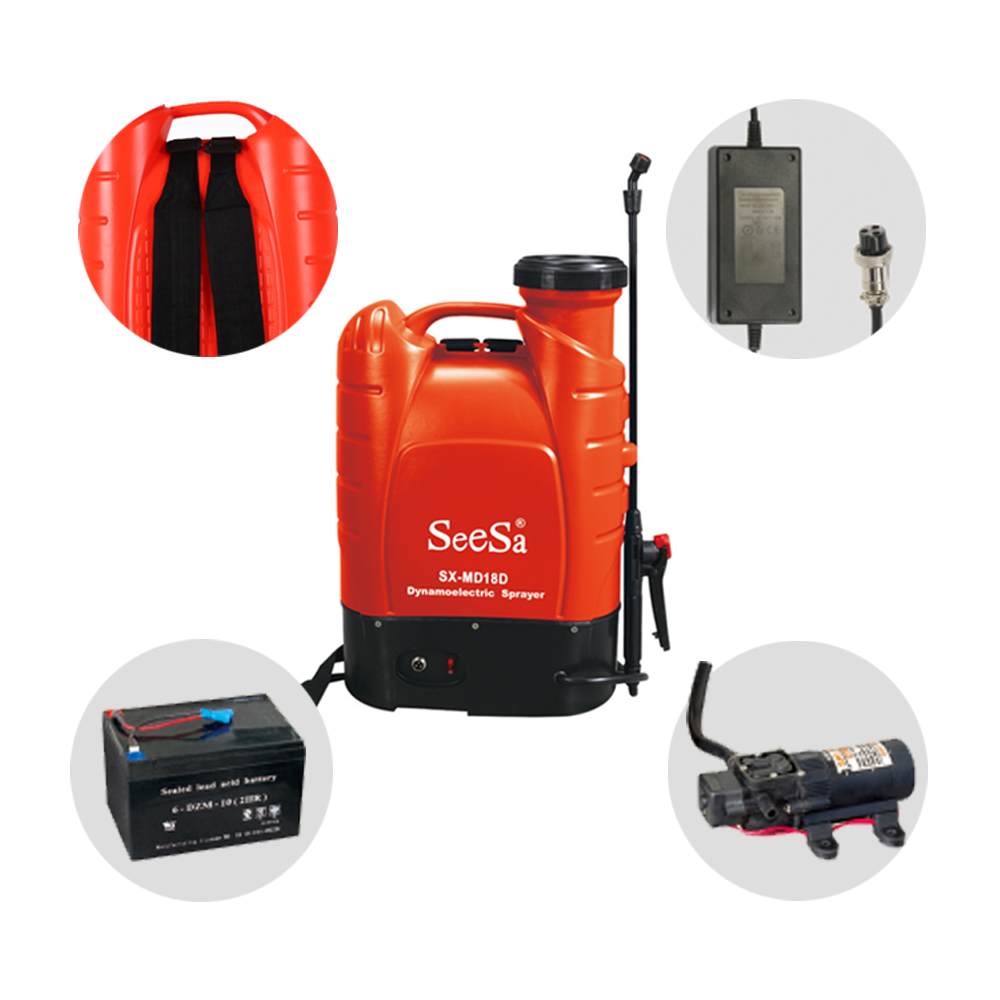
Transitioning to a battery-powered sprayer is no longer just about convenience. It is a calculated decision. We make this shift to reduce labor fatigue, ensure consistent chemical application, and lower ongoing fuel costs. Currently, the market is flooded with consumer-grade units marketed as agricultural tools. Buyers face a serious challenge. You must distinguish between entry-level residential models and heavy-duty farm equipment built for continuous daily operation. Our purpose is to provide a transparent, specification-driven framework. We will guide you through evaluating these systems. You will learn to assess critical components like battery chemistry and pump reliability. By understanding these core specifications, you avoid costly operational bottlenecks. Ultimately, you secure a reliable tool designed precisely for demanding commercial field environments.
Key Takeaways
Battery Chemistry is Critical: Upgrading to a lithium battery sprayer significantly reduces carrying weight and doubles the lifecycle compared to traditional lead-acid models.
Pump Technology Dictates Performance: A high-quality electric diaphragm pump is non-negotiable for consistent PSI, uniform droplet size, and chemical resistance.
Scale Matches Capacity: Selecting the right tank size and flow rate must align strictly with your crop type, terrain, and daily acreage to avoid operational bottlenecks.
TCO Extends Beyond Purchase Price: Factor in the cost and availability of replacement batteries, seals, and nozzles when evaluating brands.
Evaluating the Alternatives: Why Transition to a Rechargeable Sprayer?
Farmers historically relied on manual backpack sprayers or 4-stroke gas engines. Each traditional option carries distinct operational compromises. Manual pumps demand constant physical exertion. Gas engines require frequent maintenance and expensive fuel. A modern rechargeable sprayer bridges this gap perfectly. It delivers steady power without the heavy mechanical drawbacks.
Manual pumping inevitably leads to fluctuating pressure. Operator fatigue sets in quickly during long shifts. This fatigue causes the internal pressure to drop. Consequently, chemical distribution becomes uneven. You might over-apply herbicides in one area while under-applying in another. This inconsistency threatens crop health and wastes expensive chemicals.
Gas engines eliminate manual pumping but introduce hidden expenses. Fuel costs accumulate rapidly over a growing season. Carburetors demand seasonal tuning and regular cleaning. Furthermore, gas models generate significant noise pollution. They also carry heavier dry weights. A standard gas unit burdens the operator before you even add liquid.
Electric models represent the optimal middle-ground solution. They offer the continuous, high-pressure performance of a gas engine. Simultaneously, they maintain the quiet, low-maintenance profile of a manual unit. You simply charge the battery, fill the tank, and pull the trigger. This streamlined workflow dramatically improves daily operational efficiency.
Core Specifications for Agriculture Electric Sprayer Evaluation
Battery Chemistry: Lithium-Ion vs. Lead-Acid
The agricultural sector is rapidly shifting toward the lithium battery sprayer. Lead-acid units initially look attractive due to lower purchase prices. However, lithium-ion technology offers a vastly superior power-to-weight ratio. Lithium batteries are often 50% lighter than their lead-acid counterparts. This weight reduction directly translates to less operator fatigue over an eight-hour shift.
Discharge curves also differ dramatically between the two chemistries. Lithium batteries maintain consistent voltage until total depletion. This characteristic ensures your spray pressure remains steady from the first gallon to the last. Lead-acid batteries suffer a gradual voltage drop. As the battery drains, your pump pressure weakens noticeably.
Cycle life is another critical metric. You can expect roughly 300 to 500 charging cycles from a lead-acid battery. Conversely, lithium-ion cells easily exceed 1,000 cycles. We recommend comparing these two chemistries closely before making a final purchasing decision.
Feature
Lead-Acid Battery
Lithium-Ion Battery
Weight
Heavy (Often 6-8 lbs)
Lightweight (Often 2-3 lbs)
Discharge Curve
Gradual pressure drop
Consistent pressure until empty
Cycle Life
300 - 500 cycles
1,000+ cycles
Charge Time
6 - 8 hours
2 - 4 hours
Tank Capacity and Ergonomic Realities
You must balance fluid volume against operator fatigue. Tank sizes typically range between 4 gallons (15 liters) and 4.5 gallons (17 liters). A fully loaded 4.5-gallon tank carries a significant weight penalty. Water alone weighs over 8 pounds per gallon. Adding extra capacity might reduce refill trips. However, it severely increases shoulder strain during extended use.
Ergonomic features are absolutely mandatory for commercial use. Look for thick, padded shoulder straps. The tank itself should feature a contoured design mimicking the human spine. Secure waist belts are essential. A good waist belt distributes the liquid weight away from the shoulders and transfers it to the hips.
Nozzle Compatibility and Wand Materials
Interchangeable nozzles dictate your application flexibility. Industry-standard nozzles include flat fan, hollow cone, and adjustable brass variants. You need different spray patterns for different tasks. Herbicides generally require fan nozzles for even ground coverage. Insecticides often need cone nozzles to penetrate dense crop canopies.
Wand material directly impacts equipment lifespan. Cheap plastic wands break easily under daily field abuse. We strongly recommend stainless steel or heavy-duty fiberglass wands. These materials withstand accidental drops and resist corrosion from harsh agricultural chemicals.
The Engine of the Unit: Analyzing the Electric Diaphragm Pump
Mechanism of Action
The pump serves as the beating heart of any sprayer. The electric diaphragm pump stands out as the industry standard for commercial applications. Unlike piston pumps, diaphragm designs do not rely on tight internal friction seals. Instead, a flexible membrane pulses to draw and push fluid. This specific mechanism allows the pump to easily handle wettable powders, suspensions, and corrosive liquids.
Piston pumps often seize when exposed to abrasive powder mixtures. Diaphragm pumps process these materials smoothly without internal scoring. This reliability makes them indispensable components in modern farm spraying equipment.
Pressure and Flow Rate (PSI & GPM)
You must evaluate baseline performance metrics like pressure (PSI) and flow rate (GPM). Most agricultural units operate between 40 and 70 PSI. Variable pressure dials, commonly known as rheostats, are crucial. They allow operators to adjust the pressure based on specific tasks. Delicate greenhouse foliage requires low, gentle pressure. Dense orchard canopies demand maximum PSI to penetrate leaves and branches.
Flow rate dictates how quickly you empty the tank. High GPM output is great for drenching soil. However, it drains the tank and battery much faster. A variable dial lets you find the perfect balance between output and conservation.
Dry-Run Protection
Commercial pumps must include built-in dry-run protection. This feature usually manifests as a micro-demand switch. When you release the wand trigger, the demand switch instantly shuts off the motor. This prevents the pump from running dry when the tank is empty. Running a pump dry rapidly overheats the motor and destroys the internal membranes. Auto shut-off functionality significantly extends the operational life of the unit.
Implementation Risks and Operational Realities
Maintenance Realities
Many manufacturers market electric models as "zero maintenance" machines. We must dispel this myth immediately. Electric units require less maintenance than gas engines. However, they still demand strict routine care. You must perform daily triple-rinsing to remove chemical residues. Leftover chemicals crystallize and clog the internal pump valves over time.
Winterization is another crucial step in colder climates. Freezing temperatures will shatter a pump block containing residual water. Flush the system using an RV antifreeze solution before winter storage. Additionally, routinely lubricate wand O-rings and tank seals using silicone grease. This prevents rubber degradation and annoying leaks.
Battery Degradation and Replacement
Batteries are consumable components. Even the best lithium-ion cells eventually degrade. Buyers must proactively verify the cost of replacement batteries before committing to a brand. Some companies trap users in proprietary ecosystems. They charge exorbitant prices for replacement packs. Ensure the manufacturer guarantees long-term parts availability. You do not want to discard a functional machine just because a replacement battery is unavailable.
Warranty and Commercial Compliance
Carefully read the fine print regarding product warranties. Many big-box store models carry consumer warranties. These warranties explicitly void upon commercial or agricultural use. A heavy-duty machine should feature a specific commercial-use warranty. Check for distinct coverage periods on the pump motor and the battery pack. A transparent warranty signals manufacturer confidence in their product.
Shortlisting Your Farm Spraying Equipment: A Decision Framework
Selecting an agriculture electric sprayer requires a systematic approach. Follow this practical three-step framework to narrow down your options.
Define the Primary Application: Map out your exact use case. Are you spot-spraying weeds along fence lines? Are you misting delicate greenhouse plants? Or are you managing broadacre edge control? Spot spraying requires lower capacity and standard pressure. Broadacre control demands high PSI, maximum GPM, and durable diaphragm pumps. Match the machine's specifications to your daily reality.
Calculate Daily Run-Time Requirements: Evaluate how many continuous hours the operator actually works. Match this duration to the amp-hour (Ah) rating of the battery. A 10Ah battery might run for four hours. If your shifts last eight hours, consider your options. It is often more cost-effective to buy a lighter unit and purchase a secondary, swappable battery. You avoid carrying the dead weight of a massive, oversized battery block.
Assess Serviceability: Equipment breaks down in the field. Assess how easily you can repair the unit. Ensure the machine features accessible pump and battery compartments. You should be able to swap a battery or clear a clogged filter using basic hand tools. Avoid machines requiring specialized, proprietary tools for simple maintenance tasks.
Conclusion
Choosing the right battery-powered equipment is a balancing act. You must weigh carrying weight, battery chemistry, and pump durability against the demands of your acreage. Lithium-ion technology dramatically outperforms older lead-acid designs. It reduces operator fatigue and ensures consistent fluid pressure. Furthermore, a high-quality electric diaphragm pump guarantees your machine handles harsh chemicals and abrasive powders without failing.
Always prioritize serviceability and clear commercial warranties. Treat batteries as consumables and plan for their eventual replacement. By following a structured decision framework, you protect your investment and streamline daily operations.
Review your current acreage and application needs today. Consult a reputable supplier to identify models matching your precise PSI, tank volume, and chemical compatibility requirements.
FAQ
Q: What is the difference between an electric sprayer and a battery sprayer?
A: In modern agricultural contexts, these terms are largely synonymous. Both refer to cordless, rechargeable units. Occasionally, the term "electric" may refer to plug-in models designed for stationary greenhouse use. Meanwhile, "battery" strictly denotes portability and backpack use. Always check the power source specifications before purchasing.
Q: How long does a lithium battery sprayer last on a single charge?
A: A standard unit typically lasts between 2 to 6 hours. Runtime depends heavily on three factors. First, the battery's Amp-Hour (Ah) capacity. Second, the selected PSI setting on the variable dial. Third, the viscosity of the liquid being sprayed. Thicker suspensions drain the battery faster than pure water.
Q: Can an electric diaphragm pump handle wettable powders?
A: Yes. Diaphragm pumps are specifically designed to handle suspensions and wettable powders much better than traditional piston pumps. They lack tight internal cylinders that easily scratch or seize. However, strict post-application flushing with clean water is still required to prevent internal sediment buildup.
Shixia Holding Co., Ltd. was establishes in 1978, that has more than 1,300 employees and more than 500 sets of various injection molding machines, blow molding machines and other advanced equipment.