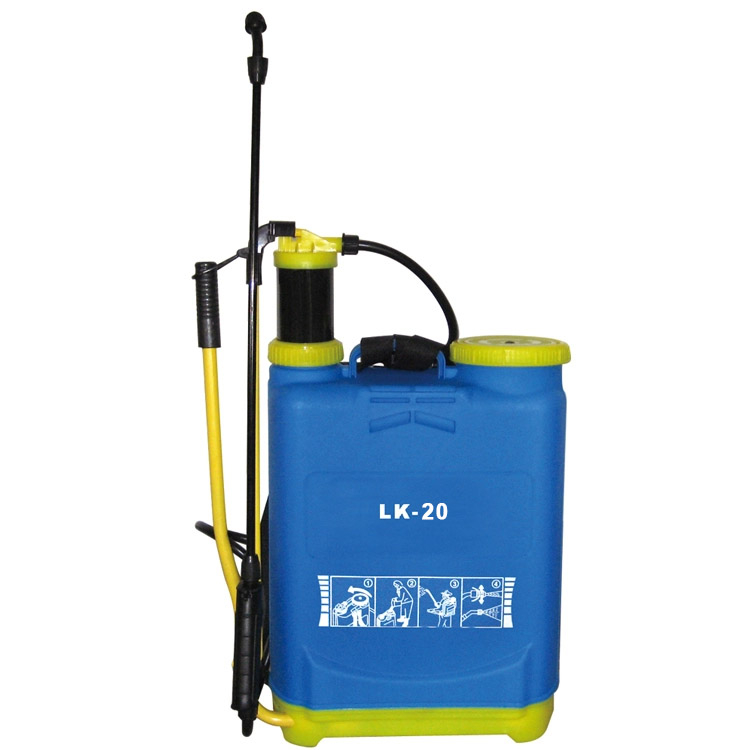
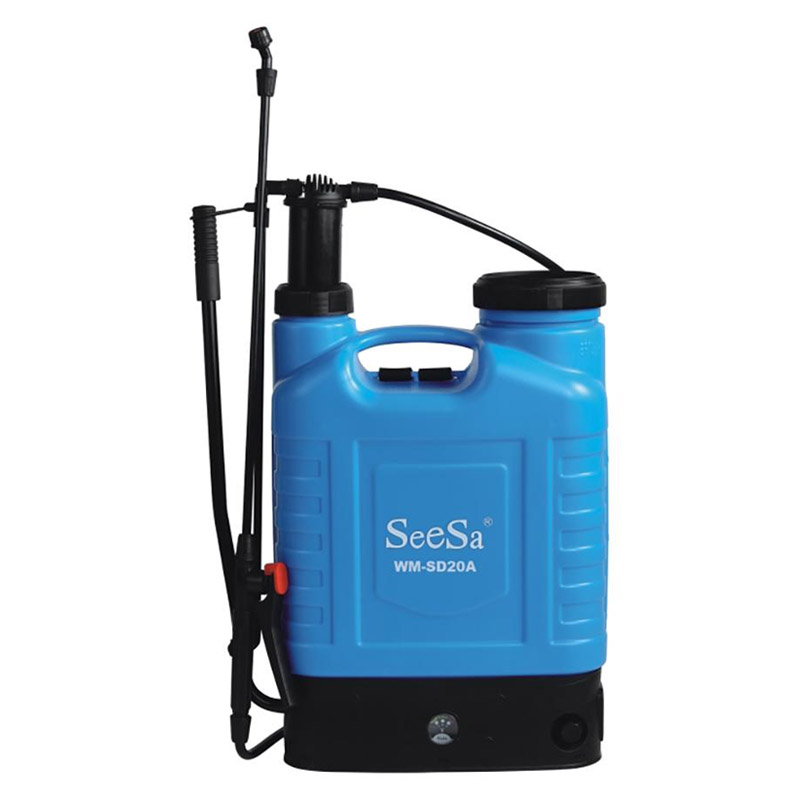
Agricultural equipment is experiencing a profound shift globally. Farmers constantly weigh labor efficiency against proven equipment reliability. Today, a core dilemma persists across fields worldwide. Should you upgrade to battery-powered systems for speed? Or should you rely on the grid-independent mechanics of traditional manual sprayers? Both approaches offer compelling advantages. Inefficient spraying directly damages your profitability. Wasted herbicides and excessive labor hours eat heavily into your operating margins.
This article provides a transparent, metric-driven evaluation. It will help you navigate your farm sprayer selection confidently. We base this comparison entirely on acreage, crop type, and labor constraints. We explore underlying mechanics, operational limitations, and hidden field risks. You will learn exactly how to align your equipment choices with real-world farm conditions. By the end, you will know exactly which system fits your operational reality.
Key Takeaways
Consistency vs. Autonomy: Electric sprayers deliver uniform pressure (PSI) and reduce physical fatigue, while manual sprayers offer infinite field autonomy without grid reliance.
Cost Dynamics: Manual units win on upfront cost and cheap part replacement; electric units win on labor-time savings and reduced chemical waste through precise application.
Maintenance Realities: Electric models introduce battery degradation and wiring vulnerabilities; manual pumps face predictable wear on physical seals and O-rings.
Decision Rule: Farm size, daily spraying hours, and access to charging infrastructure dictate the optimal choice, not just equipment features.
The Foundation of Farm Sprayer Selection
Modern agriculture faces a serious business problem. Inefficient chemical application wastes highly valuable inputs. Herbicides, pesticides, and foliar fertilizers cost significant money. When workers apply them unevenly, chemical costs multiply. Labor expenses also spike when tasks take too long to complete. You need equipment capable of solving these fundamental issues.
To evaluate these tools, we must establish strict success criteria. The right sprayer must actively minimize operator fatigue. It must maintain accurate application rates across entire fields. Finally, it needs to limit unexpected downtime during narrow spraying windows. Weather conditions often dictate when you can spray. Missing a critical window due to equipment failure harms crop yields.
Two primary solution categories dominate any thorough backpack sprayer comparison. First, we examine traditional hand-operated pumps. These have served agronomists reliably for decades. Second, we evaluate modern battery-powered units. They promise advanced efficiency and comfort. Understanding how these categories contrast is essential for scaling modern farm operations.
The Baseline: The Agriculture Knapsack Manual Sprayer
The agriculture knapsack manual sprayer operates using straightforward mechanical physics. It relies entirely on a piston or diaphragm pump mechanism. Operators create internal tank pressure by manually pumping an exterior lever. This forces the liquid through the wand and out the nozzle.
Core Advantages
Absolute reliability defines the manual sprayer. These units offer zero reliance on lithium batteries. They need no charging stations. They function perfectly in off-grid environments. If your farm lacks stable electricity, this trait becomes invaluable.
Field serviceability stands out as another massive benefit. Simple internal mechanics allow for immediate, on-the-spot repairs. Basic O-ring kits and spare seals solve most operational problems. A field worker can typically rebuild a manual pump in minutes using basic hand tools. You rarely experience multi-day downtime.
Cost efficiency remains a major driving factor. They feature a remarkably low initial purchase price. Long-term maintenance requires very little capital. You simply replace cheap rubber components annually to keep the unit functioning at peak capacity.
Operational Limitations
Variable pressure presents a significant agronomic challenge. Output PSI fluctuates constantly. It depends entirely on the operator's pumping rhythm. A tired worker pumps slower. This inconsistency causes uneven chemical distribution. You might over-apply pesticide in one row and under-apply it in the next.
Operator fatigue poses a severe bottleneck. Continuous manual pumping exhausts agricultural workers rapidly. This physical strain heavily limits daily application rates. A single worker can only spray a limited number of tanks per day before their productivity plummets. It increases the physical toll on your workforce significantly.
The Upgrade: Electric/Battery-Powered Sprayers
Advanced electric units eliminate the need for manual pumping entirely. They rely on rechargeable batteries to power a compact internal micro-pump. Older models used heavy lead-acid batteries. Modern units predominantly feature lightweight lithium-ion cells. This technological shift completely changes field operations.
Core Advantages
Application consistency represents the biggest leap forward. The internal electric pump maintains a perfectly steady PSI. Steady pressure ensures an exact, uniform droplet size. This uniform spray pattern effectively prevents chemical drift. It prevents costly over-application. Plants receive the exact intended dose of protective chemicals.
Labor efficiency improves dramatically. Operators no longer waste energy pumping levers. They focus their entire physical effort on targeting the wand and ensuring complete foliage coverage. This single factor boosts daily output. A worker using battery power covers significantly more ground per shift.
Operational Limitations
Charging dependencies create new logistical headaches. Electric models become entirely useless when batteries die mid-field. You must implement accessible charging infrastructure. You have to manage battery swap schedules carefully. Forgetting to charge the units overnight halts the next morning's work completely.
Complex repairs frustrate remote operators. Diagnosing these units requires technical skill. You might face electrical shorts, sensor failures, or dead pump motors. These issues require specific, proprietary replacement parts. You cannot easily source an electronic pressure switch at a local rural hardware store. This reality risks prolonged downtime.
Manual vs Electric Knapsack Sprayer: Head-to-Head Evaluation
Evaluating a manual vs electric knapsack sprayer requires analyzing hard data. Equipment choices impact daily cash flow and worker morale. Let us break down the critical performance metrics.
Upfront Cost vs. Long-Term ROI
Manual sprayers always win regarding initial capital expenditure. They remain highly accessible for small-scale farms. However, electric models offer compelling long-term ROI. They generate massive labor savings. A worker finishing a field 30% faster saves hourly wages. Furthermore, steady pressure produces chemical efficiency gains. Precise application means you use less expensive pesticide over time. Over a three-year lifespan, labor and chemical savings often offset the higher electric purchase price.
Weight and Ergonomics
Equipment weight drastically impacts operator comfort. We must analyze dry weight versus liquid payload. Electric models carry dense battery packs. This adds static weight to the operator's back. Conversely, manual models are lighter when empty, but they demand constant physical movement. The repetitive pumping motion severely strains shoulders, arms, and lower backs. Many experienced operators ultimately find static battery weight much easier to endure than continuous, repetitive pumping fatigue.
Maintenance & Lifespan
Maintenance realities differ sharply between the two technologies. Manual pumps suffer highly predictable degradation. Physical seals, gaskets, and O-rings wear down steadily from friction and chemical exposure. You replace them cheaply. Electric sprayers rely on sensitive batteries. Lithium-ion power cells have a typical two-to-four-year lifecycle. They eventually lose their charge holding capacity. Replacing an entire lithium battery pack costs significantly more than buying a handful of rubber manual seals.
Environmental and Weather Resilience
Farm work happens in brutal weather. Extreme heat, high humidity, and wet environments constantly test equipment. Manual sprayers are inherently waterproof. They contain no delicate circuits. You can leave them in the rain safely. Electric units feature sealed battery compartments. However, they remain highly vulnerable to water ingress. Heavy rain or aggressive pressure washing can penetrate these seals. Once water hits the internal wiring, the electronic pump fails permanently.
Chart: Lifecycle Performance Summary
Performance Metric
Manual Knapsack Sprayer
Electric Knapsack Sprayer
Initial Purchase Cost
Very Low
Moderate to High
Operator Physical Fatigue
High (Constant pumping)
Low (Static carrying only)
Application Consistency
Variable (Depends on user)
Excellent (Consistent PSI)
Field Serviceability
Easy (Replace O-rings quickly)
Difficult (Requires electrical parts)
Implementation Realities and Operational Risks
Every agricultural equipment choice carries distinct operational risks. Understanding these field realities prevents expensive disasters. We commonly see farms purchase equipment without considering their unique logistical limits.
Risk of Downtime: Address what happens when equipment fails during a narrow application window. Sometimes you only have two dry days to apply fungicides. A broken hand pump pressure sprayer rarely stops progress for long. You diagnose the leak and replace the seal immediately. Conversely, a dead electric pump halts your workflow entirely. If you lack spare battery packs or replacement micro-pumps, you miss the application window completely.
Battery Management Overhead: Electric units introduce hidden logistical burdens. Battery degradation happens slowly but surely. You must implement temperature-controlled storage during winter off-seasons. Freezing temperatures rapidly destroy lithium cells. Additionally, farm managers must track charging schedules. Keeping spare batteries charged requires dedicated barn space and disciplined routines.
Chemical Compatibility: Harsh chemicals destroy internal components. Always verify your pump ratings. Ensure your equipment handles specific agricultural solvents safely. Wettable powders and thick biological slurries are highly abrasive. They clog poorly designed electric micro-pumps rapidly. Diaphragm-based manual pumps generally pass these abrasive slurries much better.
Best Practice: Always triple-rinse your tank and flush the internal pump with clean water immediately after daily use. Common Mistake: Leaving wettable powders sitting in the tank overnight. The slurry solidifies in the lines and permanently destroys both manual and electric pumps.
Decision Framework: Shortlisting the Right Tool
Choosing between these systems requires a disciplined framework. Do not base your purchasing decisions purely on flashy features. Base them on your rigid operational constraints.
Choose Manual If:
You operate in highly remote areas lacking reliable grid electricity.
Your spraying program relies heavily on abrasive wettable powders. These thick solutions frequently clog sensitive electric micro-pumps.
You use the equipment sporadically. Manual pumps handle long-term seasonal storage far better than idle lithium batteries.
Your budget strictly limits initial capital investments.
Choose Electric If:
You manage larger acreages. These require multiple, continuous hours of daily spraying to maintain schedules.
You apply highly concentrated, expensive chemicals. Consistent PSI and precise droplet sizes are critical here for regulatory compliance and crop safety.
You prioritize operator ergonomics. Eliminating intense workplace physical strain reduces employee turnover and boosts daily morale.
You possess a secure, weather-proof location for organized battery charging.
Conclusion
There is no universal "best" sprayer in modern agriculture. You must find the precise tool matching your operational constraints. Manual systems provide unbeatable autonomy and reliability. Electric systems deliver superior consistency and labor efficiency.
To finalize your decision, follow these next steps:
Evaluate your total active acreage against your daily available labor hours.
Identify the exact chemical formulations (liquids vs. wettable powders) you apply most frequently.
Assess your farm's on-site electrical infrastructure and storage capabilities.
For mid-sized operations, we highly recommend a hybrid approach. Standardize on efficient electric sprayers for your primary daily routes. Keep a fleet of reliable manual sprayers strictly in reserve as fail-safes. Take proactive action today. Evaluate your acreage and chemical profiles against detailed supplier specifications. Consult a technical sales engineer to ensure you invest in the exact setup your farm requires.
FAQ
Q: Can an agriculture knapsack manual sprayer handle wettable powders better than an electric one?
A: Yes, generally. Manual sprayers often utilize rugged diaphragm pumps. These pumps pass abrasive particles easily without jamming. Electric micro-pumps feature much tighter internal tolerances. Abrasive wettable powders can quickly clog and damage electric mechanisms if operators fail to agitate the mixture properly.
Q: How long does a battery last on an electric knapsack sprayer during continuous use?
A: Runtime varies by exact model and pressure settings. Most high-quality lithium-ion sprayers provide 2 to 6 hours of continuous spraying per charge. Your actual duration depends entirely on the battery's amp-hour rating and your operational PSI. Spraying at maximum pressure drains the battery significantly faster.
Q: Is it possible to convert a hand pump pressure sprayer into an electric one?
A: While aftermarket conversion kits exist, they introduce severe risks. Conversions permanently void the manufacturer’s warranty. They also create safety hazards, such as chemical leaks directly onto exposed electrical wiring. Purchasing a purpose-built electric sprayer proves much safer and far more reliable long-term.
Q: Which sprayer type offers higher maximum pressure?
A: Manual sprayers can peak at higher pressures. An operator pumping aggressively generates sudden, high-PSI bursts. However, electric sprayers excel at sustaining a highly usable, consistent maximum pressure reliably over long periods. They do this without inducing any operator fatigue.
Shixia Holding Co., Ltd. was establishes in 1978, that has more than 1,300 employees and more than 500 sets of various injection molding machines, blow molding machines and other advanced equipment.