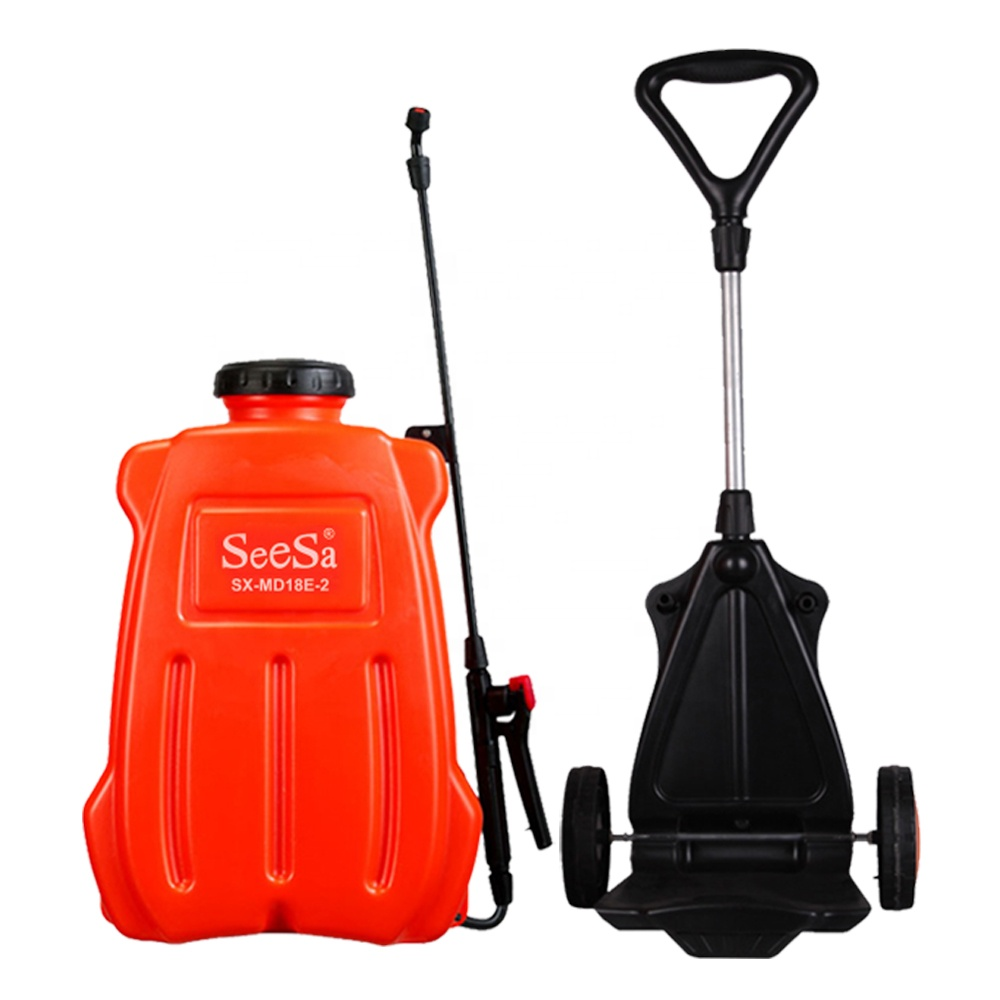
Transitioning to a modern battery-powered agricultural system transforms daily crop management. Evaluating this equipment requires understanding a very delicate balance. You must carefully weigh consistent pump pressure against chemical efficacy and strict operator safety. Incorrect operation introduces severe consequences to your daily farm routines. Mistakes often lead to expensive chemical waste and severe crop damage through phytotoxicity. Beyond the field, poor handling causes dangerous environmental drift and guarantees premature equipment failure.
We cannot emphasize equipment trustworthiness enough. True safety relies on absolute adherence to standard agricultural operating procedures. You must master proper equipment calibration and commit to routine maintenance. Relying solely on built-in features is never enough. In this guide, we break down essential pre-use checklists and active application strategies. You will learn exactly how to protect your crops. We will show you how to safeguard your environment and maximize operational efficiency.
Key Takeaways
Proper sprayer assembly and pre-use water testing prevent hazardous leaks and ensure baseline calibration.
Safe electric sprayer operation requires matching nozzle types and operating pressure to specific crop applications and environmental conditions.
Strict Personal Protective Equipment (PPE) compliance and drift management are non-negotiable for operator and environmental safety.
Routine farm sprayer maintenance, including triple-rinsing and proper battery storage, dictates the equipment's lifespan and long-term ROI.
The Business Case for Strict Operational Safety
Adopting strict safety protocols delivers measurable business advantages. Farm managers often view safety as a mere compliance hurdle. However, operational discipline directly impacts crop yields and reduces operational waste. We must recognize how equipment handling changes the financial outcome of every spraying session.
Yield vs. Waste
Consistent battery-powered pressure improves spray uniformity significantly. You achieve this uniformity only if you calibrate the device correctly. Over-application wastes expensive chemical inputs quickly. It also causes soil toxicity and harms beneficial insects. Under-application fails to control pests adequately. Pests then develop resistance, forcing you to purchase stronger, costlier chemicals later.
Compliance and Liability
Regulatory bodies enforce strict guidelines regarding pesticide applications. You must minimize chemical drift actively. Wind carries toxic mist into neighboring farms or residential areas. This drift creates massive legal liabilities. Protecting local groundwater remains equally crucial. Accidental spills or over-spraying contaminate aquifers. These violations invite severe regulatory fines and reputational damage.
Equipment Lifespan
Safe usage habits prolong pump and battery life drastically. We frame operational discipline as a direct cost-saving measure. A well-maintained pump avoids corrosive breakdown. Properly charged batteries survive multiple seasons. You reduce replacement costs effectively. Consistent maintenance practices keep your farm operating smoothly during critical planting windows.
Sprayer Assembly and Pre-Operation Checklist
Every successful application begins long before you enter the field. You must verify equipment integrity systematically. Rushing this phase introduces fatal flaws into your workflow. We recommend a rigid pre-operation checklist.
Component Verification
You must scrutinize every physical connection. Master your sprayer assembly to prevent field emergencies. Check all rubber O-rings for dry rot or micro-cracks. Inspect high-pressure hose connections closely. Examine your wand fittings for premature wear. Avoid cross-threading plastic components at all costs. A crossed thread guarantees a toxic leak under pressure.
Battery Assessment
Power failures mid-field disrupt your application timing. Verify a full battery charge before leaving the barn. Inspect the battery housing thoroughly. Look for trapped moisture or visible terminal corrosion. Clean any oxidation immediately. Secure the battery door tightly. You must protect the electrical contacts from accidental chemical splashes.
The Water Test
Never introduce active chemicals into an untested system. Mandate a clean water test prior to every major mixing session. Fill the tank partially. Pressurize the system fully. Inspect all seams and wand joints for safe leak identification. This test also verifies pressure consistency across different nozzle settings.
PPE Requirements
Personal Protective Equipment acts as your final defense line. You must select gear based on specific chemical toxicity levels. Follow these mandatory minimums:
Wear thick chemical-resistant nitrile gloves.
Use unvented safety goggles to block chemical mist.
Wear long sleeves and chemically treated aprons.
Utilize NIOSH-approved respirators for volatile organic compounds.
Step-by-Step Agriculture Electric Sprayer Operation
Applying chemicals requires precision and patience. Proper electric sprayer operation determines your overall pest control success. You must blend scientific understanding and physical coordination.
Chemical Mixing
Never mix raw chemicals directly inside the main tank. Advise your team to mix solutions in a dedicated, graduated container first. Pour the diluted mixture into the tank carefully. Always use the integrated tank strainer. The strainer blocks undissolved powders. You avoid dangerous sludge buildup and ensure uniform chemical distribution.
Calibration and Pressure Settings
Adjust the rheostat or pressure dial carefully. You must match the pressure to your desired droplet size. High pressure creates very fine mists. These mists penetrate dense canopies but remain highly prone to wind drift. Low pressure creates much larger droplets. Systemic herbicides require large droplets to stick onto broadleaf weeds effectively.
Implement proven crop spraying tips to guarantee even field coverage. Maintain a highly consistent walking speed. Keep the wand at a uniform height constantly. Aim for 18 to 24 inches above the specific target zone. Sway the wand rhythmically. Overlapping your spray paths slightly prevents untreated gaps.
Monitoring Battery Draw
Continuous high-pressure usage impacts battery drain aggressively. Pumping a fine mist requires maximum motor torque. Plan your operational routes accordingly. Spray distant field corners first while the battery holds peak voltage. Work your way back toward the recharging station. You avoid carrying a heavy, dead unit across rough terrain.
Critical Safety Protocols During Application
Field conditions change rapidly. A safe environment can become hazardous within minutes. You must monitor external variables continuously. Protect yourself and the surrounding ecosystem proactively.
Environmental Constraints
Never spray when wind speeds exceed 10 miles per hour. Gusts blow chemicals off-target instantly. You must also watch for dangerous temperature inversions. Inversions occur when cool air gets trapped under a layer of warm air. Spray particles suspend in this cool air rather than settling. They drift for miles unpredictably. Suspend operations immediately if these conditions arise.
Handling Clogs Safely
Nozzles clog frequently due to hard water or powder settling. Establish a strict, non-negotiable clearing protocol. Never blow into a clogged nozzle using your mouth. Turn off your agriculture electric sprayer immediately. Depressurize the wand by squeezing the trigger into a safe container. Disassemble the nozzle cap. Use a soft-bristled toothbrush to clear the debris. Reassemble and resume.
Managing Fatigue and Exposure
Address the physical realities of carrying agricultural equipment. A full tank often weighs over 40 pounds. This weight stresses your lower back and shoulders heavily. Utilize padded harnesses correctly. Distribute the weight onto your hips. Take scheduled breaks to minimize physical strain. Fatigue leads to sloppy application techniques. Sloppy techniques increase your potential chemical exposure.
Farm Sprayer Maintenance and Post-Use Cleaning
Neglecting post-use cleaning destroys equipment faster than daily field use. Chemicals dry out, harden, and eat through internal components. Dedicate time to thorough cleaning. Excellent farm sprayer maintenance ensures readiness for your next shift.
The Triple-Rinse Protocol
Industry standards demand the triple-rinsing method. This process neutralizes residual chemicals perfectly. It protects the sensitive internal diaphragm pump from degradation.
Fill the empty tank one-third full of clean water. Agitate it vigorously. Spray the rinsate over an approved, previously treated area.
Refill another third. Add a commercial tank neutralizer if using sticky herbicides. Agitate and flush the system completely.
Fill a final third with pure water. Flush the hoses and wand until the spray runs crystal clear.
Filter and Nozzle Care
Dismantle all in-line filters carefully. Rinse them under low-pressure water. Inspect the metal mesh for tears. Clean the nozzles using warm soapy water. Dry them thoroughly. Store nozzles in a separate, sealed container if the unit will sit inactive for extended periods. This prevents dust accumulation and accidental misplacement.
Battery Storage Procedures
Explain exact parameters for storing batteries to prevent capacity loss. Lithium-ion and lead-acid chemistries require different handling. Store lithium-ion packs at exactly a 50% charge level. Never store them fully charged or entirely dead during winter. Keep all batteries in a climate-controlled environment. Freezing temperatures destroy internal cell structures permanently.
Evaluating Your Equipment: When to Upgrade
Even perfectly maintained equipment eventually reaches its operational limit. You must recognize when a tool no longer serves your growing farm. Upgrading proactively prevents costly downtime during peak agricultural seasons.
Performance Degradation
Identify clear signs of failure. A dying pump exhibits wildly fluctuating pressure. You will hear the motor surging erratically. Rapid battery depletion indicates failing internal cells. Micro-leaks in the wand handle suggest worn internal seals. Do not ignore these warnings. Continuing to use failing equipment guarantees an uneven chemical application.
Chart: Equipment Evaluation Matrix
Symptom Observed
Potential Root Cause
Recommended Action
Motor runs constantly, poor pressure.
Worn pump diaphragm or severe air leak.
Replace O-rings. If unresolved, upgrade pump unit.
Battery dies under 2 hours.
Degraded lithium cells or corroded contacts.
Clean contacts. Replace battery pack.
Wand drips continuously when off.
Trigger valve spring failure or seal rot.
Rebuild trigger assembly or purchase new wand.
Scalability and Feature Gaps
Discuss scalability as your farm expands. You might outgrow basic models quickly. Evaluate your need for higher PSI capabilities to reach taller tree canopies. Look for systems offering interchangeable batteries for uninterrupted full-day spraying. Consider advanced harness ergonomics if operators report increasing back pain. Modern equipment designs reduce fatigue dramatically.
Next Steps
Encourage your operators to audit the current equipment inventory today. Replace all worn consumables before the next season starts. Stock up on fresh O-rings, replacement nozzles, and tank strainers. Consult detailed manufacturer specifications if you evaluate a new purchase. Match the new machine's output capacity strictly to your actual acreage.
Conclusion
The overall efficacy of any agricultural system depends entirely on your commitment to safety. Proper calibration and rigorous maintenance separate successful harvests from costly failures. We have explored the mechanics of assembly, active application, and critical post-use care. You hold the responsibility to implement these practices daily.
Adopt a zero-compromise approach toward PPE usage and environmental awareness. Treat the triple-rinse protocol as a mandatory daily ritual. By respecting the equipment and the chemicals involved, you maximize crop yields safely. You also guarantee the highest possible return on your agricultural equipment investment.
FAQ
Q: Can I leave leftover chemicals in my electric sprayer overnight?
A: Never leave mixed chemicals in the tank overnight. Pesticides and herbicides degrade rapidly once mixed in water, losing their efficacy. More importantly, caustic chemicals attack rubber O-rings, clog in-line filters, and cause irreversible corrosion inside the diaphragm pump. Always drain, triple-rinse, and flush the system daily to protect your investment.
Q: How long does the battery on an agriculture electric sprayer typically last?
A: Battery lifespan depends on several variables. Pumping at maximum PSI drains power significantly faster than low-pressure applications. The battery's Amp-hour (Ah) rating also dictates longevity. Generally, a standard 8Ah lithium-ion battery provides 3 to 5 hours of continuous spraying. Intermittent trigger usage extends this timeframe considerably.
Q: What is the best nozzle for herbicide application vs. pest control?
A: Use a flat fan nozzle for herbicide applications. It creates large, heavy droplets that minimize wind drift, ensuring weed-killing chemicals hit the ground. For pest control or fungicides, use an adjustable cone nozzle. It generates a fine, swirling mist that penetrates deep into dense crop canopies, coating the undersides of leaves.
Q: How do I safely dispose of the rinse water from my sprayer?
A: Never dump rinsate down standard drains, near wells, or into local waterways. The safest, compliance-friendly disposal method is spraying the highly diluted rinse water (rinsate) directly over an approved area. Apply it to the exact same crop or field you just treated, ensuring you do not exceed the chemical's maximum application rate.
Shixia Holding Co., Ltd. was establishes in 1978, that has more than 1,300 employees and more than 500 sets of various injection molding machines, blow molding machines and other advanced equipment.