|
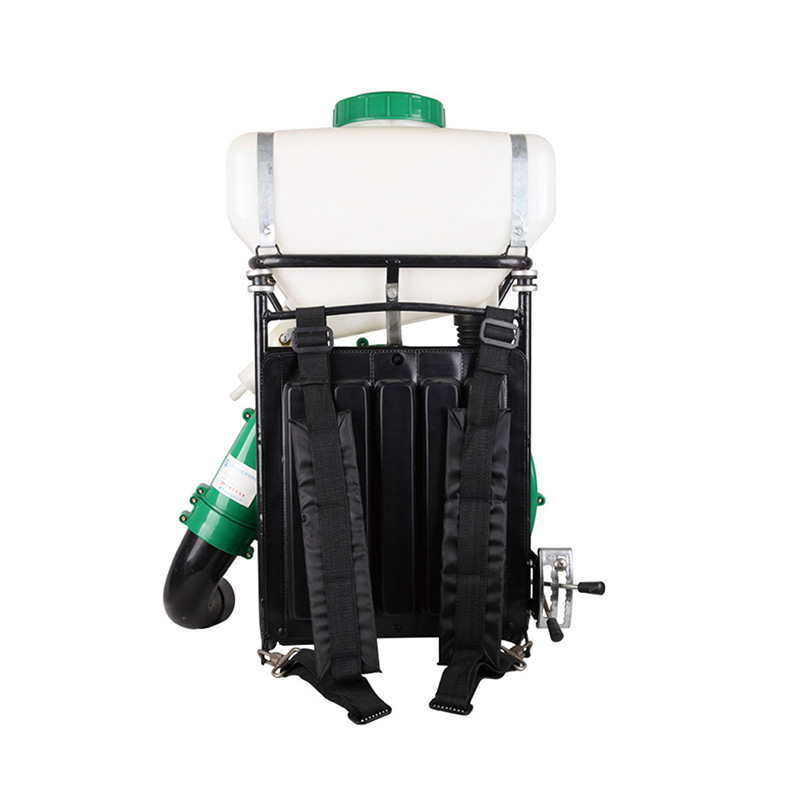
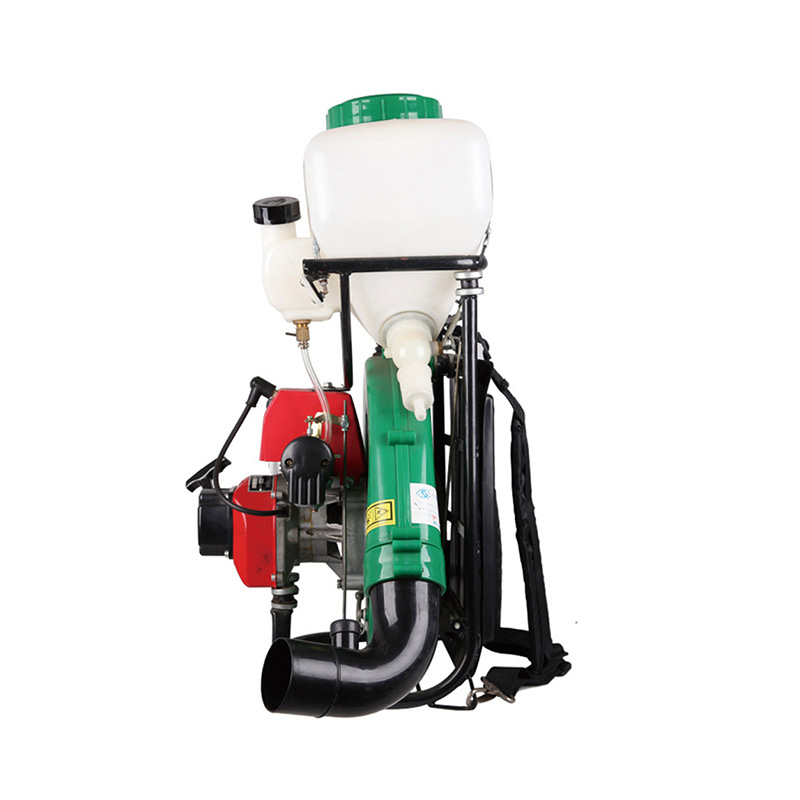
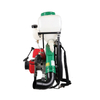


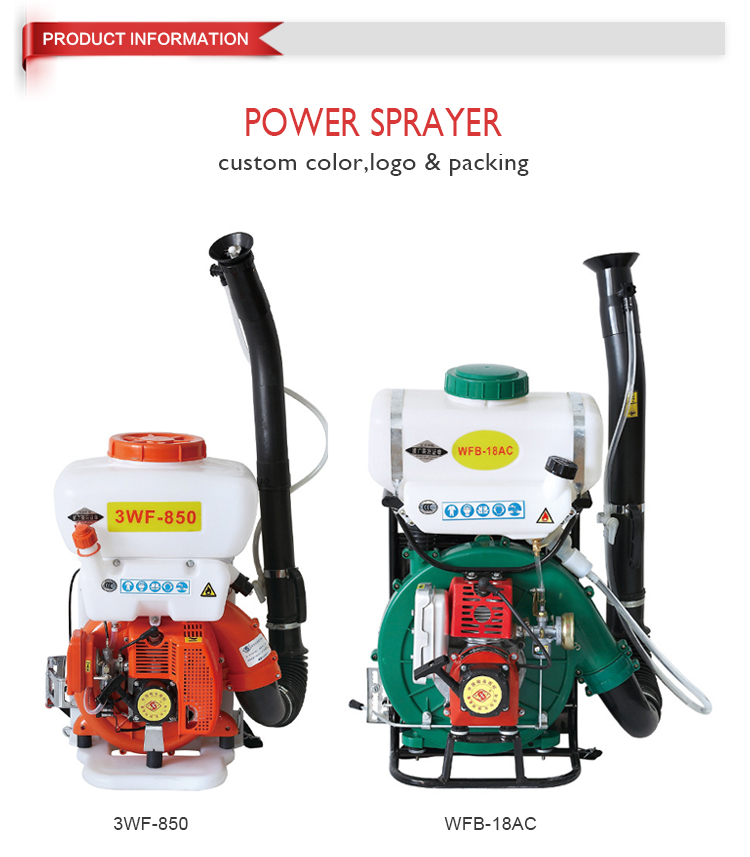
WFB-18AC is a knapsack power sprayer designed for agricultural spraying, orchard management, greenhouse pest control, environmental cleaning, and disinfection applications.The Knapsack sprayer is developed to deliver stable high-pressure spraying performance, convenient field mobility, and reliable durability for demanding outdoor working conditions. This model is equipped with a double-piston plunger pump, cast aluminum pump shell, safety valve, large hose, and adjustable spray lance with multiple nozzles, making it suitable for professional and semi-professional spraying work. As a sprayer manufacturer and supplier, we also support OEM/ODM cooperation, including customized branding and export-oriented supply service.
| Quantity: | |
|---|---|
The WFB-18AC knapsack power sprayer is developed for users who require stronger spraying force, wider coverage, and better field efficiency than a manual sprayer can provide. It is suitable for agricultural pest control, orchard spraying, greenhouse crop protection, environmental sanitation, and epidemic-prevention spraying tasks. With a portable knapsack structure and power-driven spraying system, this model is designed for field operators who need mobility, durability, and stable spraying output in complex working environments.
Compared with general-purpose product listings, the WFB-18AC should be positioned as a manufacturer-grade power sprayer rather than a retail-style garden item. For distributors, agricultural equipment buyers, importers, and private label customers, the real value of this model lies in its pump structure, durable materials, application adaptability, and supply flexibility.
| Parameter | Specification |
|---|---|
| Product Name | Knapsack Power Sprayer |
| Model No. | WFB-18AC |
| Brand | Seesa |
| Product Category | Power Sprayer |
| Subcategory | Knapsack Power Sprayer |
| Sprayer Type | Agricultural Portable High Pressure Knapsack Power Sprayer |
| Carrying Style | Knapsack / Backpack Type |
| Pump Type | Plunger Pump |
| Pump Structure | Transverse double-piston, double-stroke pump |
| Pump Shell Material | Cast aluminum |
| Surface Treatment | Silver metallic paint treatment |
| Sleeve Insert Material | Stainless steel |
| Seal / Rubber Feature | Wear-resistant internal sealing, chemical-resistant piston rubber |
| Pressure Protection | Safety valve |
| Spray Configuration | Lance with three nozzles and adjustable spray gun |
| Hose Feature | Large hose |
| Nozzle Feature | Extended nozzle |
| Main Applications | Pest control, orchard spraying, greenhouse spraying, environmental cleaning, disinfection, epidemic prevention |
| Capacity | 18 L |
| OEM/ODM Service | Custom branding and supply service available |
One of the strongest selling points of the WFB-18AC is its plunger pump system. This model uses a transverse double-piston plunger pump with a double-stroke pumping structure, developed to reduce fluid pulse fluctuation during high-pressure spraying. In practical use, this means more stable liquid output, smoother spraying performance, and less vibration feeling during operation.
The double-piston structure helps maintain pressure balance and improves spraying consistency. For agricultural users, this is especially important when applying pesticides, insecticides, disinfectants, or other compatible liquid solutions over a large area. A more stable pressure system supports more even atomization and more reliable coverage on crops, fruit trees, and greenhouse plants.
The pump is made with a cast aluminum shell and metallic surface treatment to improve oxidation resistance and maintain structural strength. It also uses stainless steel sleeve inserts and wear-resistant internal sealing components.
We’ve designed the WFB-18AC with high hardness, wear resistance, corrosion resistance, and chemical-resistant piston rubber to ensure long-lasting performance, even in the toughest conditions. These features are especially important for agricultural spraying equipment, as it is often exposed to harsh chemicals and outdoor environments. By incorporating these durable materials, we ensure that your sprayer performs consistently, even under demanding conditions, and remains a reliable tool for your business.
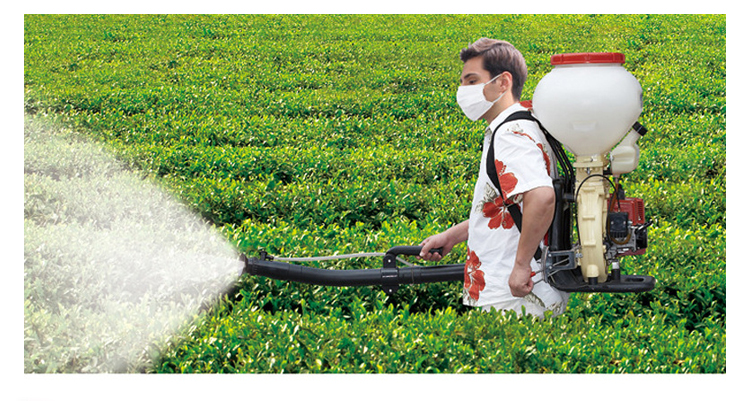
The WFB-18AC combines pressure performance with a portable knapsack structure, making it suitable for field movement and extended spraying work. Compared with trolley-style or stationary systems, a knapsack power sprayer gives operators greater mobility in orchards, greenhouses, farmland rows, and uneven terrain. This is one reason knapsack power sprayers remain widely used in agricultural spraying categories.
The knapsack power sprayer is equipped with a safety valve, which helps protect the engine and jetting components from overload.
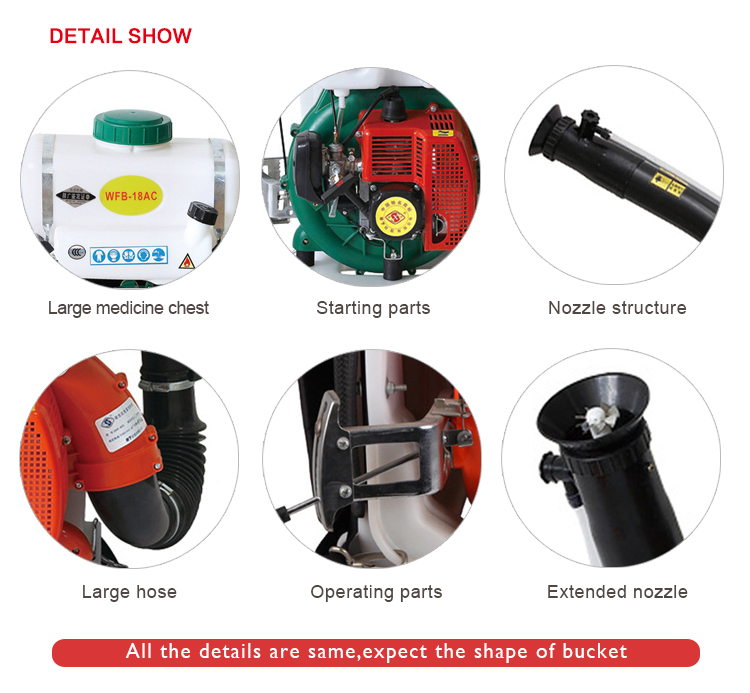
We’ve designed the WFB-18AC with a large hose, extended nozzle, and well-visible operating parts to provide better reach, easier directional spraying, and more convenient operation in agricultural environments. Whether you’re spraying fruit trees, treating greenhouses, or sanitizing poultry farms, having the right reach and flexibility is crucial.
Our three nozzles and adjustable spray gun give you the flexibility to adapt the spray intensity and pattern to suit your specific needs. Whether it’s adjusting the spray for different crop conditions, adjusting the distance for better coverage, or switching the intensity for targeted treatment, the WFB-18AC is designed to adapt to your work environment.
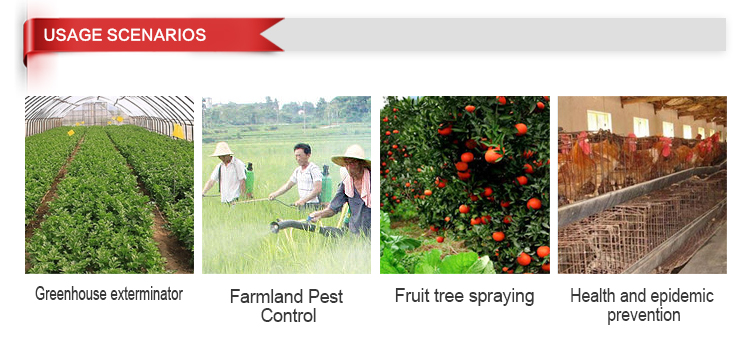
The WFB-18AC is positioned for a broad range of professional spraying applications.
We’ve designed the WFB-18AC to be especially effective for greenhouse crop protection. In this environment, stable pressure and fine atomization help us improve application consistency across leaves and crop rows, ensuring more efficient and even treatment..
For farmland pest control, our power-driven knapsack sprayer offers better efficiency compared to manual spraying. This is especially true when covering larger areas in less time, which helps us achieve greater coverage with less effort.
When it comes to fruit tree spraying, our WFB-18AC provides the reach, directional control, and pressure support that are necessary to achieve optimal results. The extended nozzle and high-pressure output make this model far more suitable for orchard operations than basic hand sprayers.
In addition to agricultural uses, our WFB-18AC is also well-suited for environmental cleaning, disinfection, and epidemic prevention.
We believe it’s important to highlight not only the functional features of our sprayer but also why overseas buyers should work with us as a supplier.
As a sprayer manufacturer, we are able to offer OEM, ODM, and private label cooperation. This flexibility is especially useful for importers, agricultural equipment distributors, and local brands that need customized product presentations tailored to their markets.
Our long-standing experience as a sprayer manufacturer with a solid track record in large-scale production and exporting enables us to provide a stable, reliable supply system. We offer our customers the ability to work with us for long-term partnerships and bulk orders.
The WFB-18AC is an excellent choice for buyers seeking a portable high-pressure spraying solution for agricultural and sanitation-related applications. It combines a power-driven knapsack structure with a double-piston plunger pump, a durable cast aluminum pump shell, a safety valve, and adjustable spray configuration. This makes it highly adaptable for farmland, orchards, greenhouses, and public-health scenarios. For importers, distributors, and brand owners, it is also an ideal model for OEM/ODM cooperation and long-term supply programs.
WFB-18AC is a knapsack power sprayer designed for agricultural and sanitation-related spraying applications. It is suitable for field use where stronger pressure and greater mobility are needed.
This model is suitable for farmland pest control, greenhouse spraying, fruit tree spraying, environmental cleaning, disinfection, and epidemic-prevention work.
Based on the provided product material, WFB-18AC uses a double-piston plunger pump with double-stroke pumping structure, designed to support stable high-pressure spraying and reduce output pulse fluctuation.
The pump is described as using a cast aluminum shell, stainless steel sleeve inserts, and wear-resistant, corrosion-resistant internal parts, with chemical-resistant piston rubber for improved durability in demanding agricultural environments.
Yes. The product material indicates that the sprayer is equipped with three nozzles and an adjustable spray gun, helping users adapt the spraying pattern to different applications.
Yes. The usage images and product material clearly support application in orchards, greenhouses, and farmland pest-control scenarios, where portable high-pressure spraying is often required.
Yes. As a manufacturer and supplier, we can support OEM/ODM cooperation, including brand customization and other project-based supply requirements.
Yes. WFB-18AC can be supplied for wholesale, distributor, importer, and private label cooperation. For exact packing, engine, and shipment details, it is best to confirm the latest specification sheet before publication.